
If you’ve been craving trips that feel good and do good, 2025 is your year. Around the world, regions are doubling down on conservation, community tourism, and clean energy, meaning you can actually choose places where your travel dollars help. In this guide, you’ll find eco friendly travel destinations 2025 sustainable escapes worth your PTO, plus low-impact ways to get there, stays that give back, and two copy-and-paste itineraries for Costa Rica and Norway. Think misty rainforests, quiet fjords, local food, and the kind of memories that age well.
How To Choose Truly Sustainable Destinations In 2025

Not all “eco” labels are equal. Before you book, use a quick checklist to keep your impact low and your experience high.
- Look for credible certifications: Destinations and businesses aligned with the Global Sustainable Tourism Council (GSTC) standards are a strong signal that sustainability isn’t just marketing. Many lodges and tour operators now display GSTC-recognized certifications on their sites.
- Prioritize places with renewable energy and strong protections: Regions that run on hydropower, wind, or geothermal (think Norway, Sweden, the Azores) and that actively protect forests, coasts, or wildlife corridors tend to deliver the most genuine low-impact experiences.
- Seek community-based or regenerative tourism: Choose tours run by locals and stays that invest part of revenue back into conservation, skills training, or cultural preservation. Your money should circulate locally.
- Check water and waste practices: Drought-prone regions with smart water reuse and plastic-reduction policies are ahead of the curve.
- Verify transparency: If a hotel publishes annual impact reports or a destination has a public sustainability plan, that’s a green flag.
Bonus: Travel in shoulder seasons. You’ll ease strain on popular sites, meet more locals, and often spend less.
Best Eco-Friendly Escapes For 2025 (U.S. And Worldwide)
Here’s where your choices matter, and where they’re rewarded with knockout scenery and culture.
- Costa Rica: The textbook example of conservation-first travel. You’ll find eco-lodges around Arenal and Monteverde, community-led wildlife tours in the Osa Peninsula, and national parks that protect prime rainforest. Expect howler monkeys at dawn, toucans overhead, and farm-to-table casados for lunch. Many lodges include carbon tracking and on-site reforestation projects.
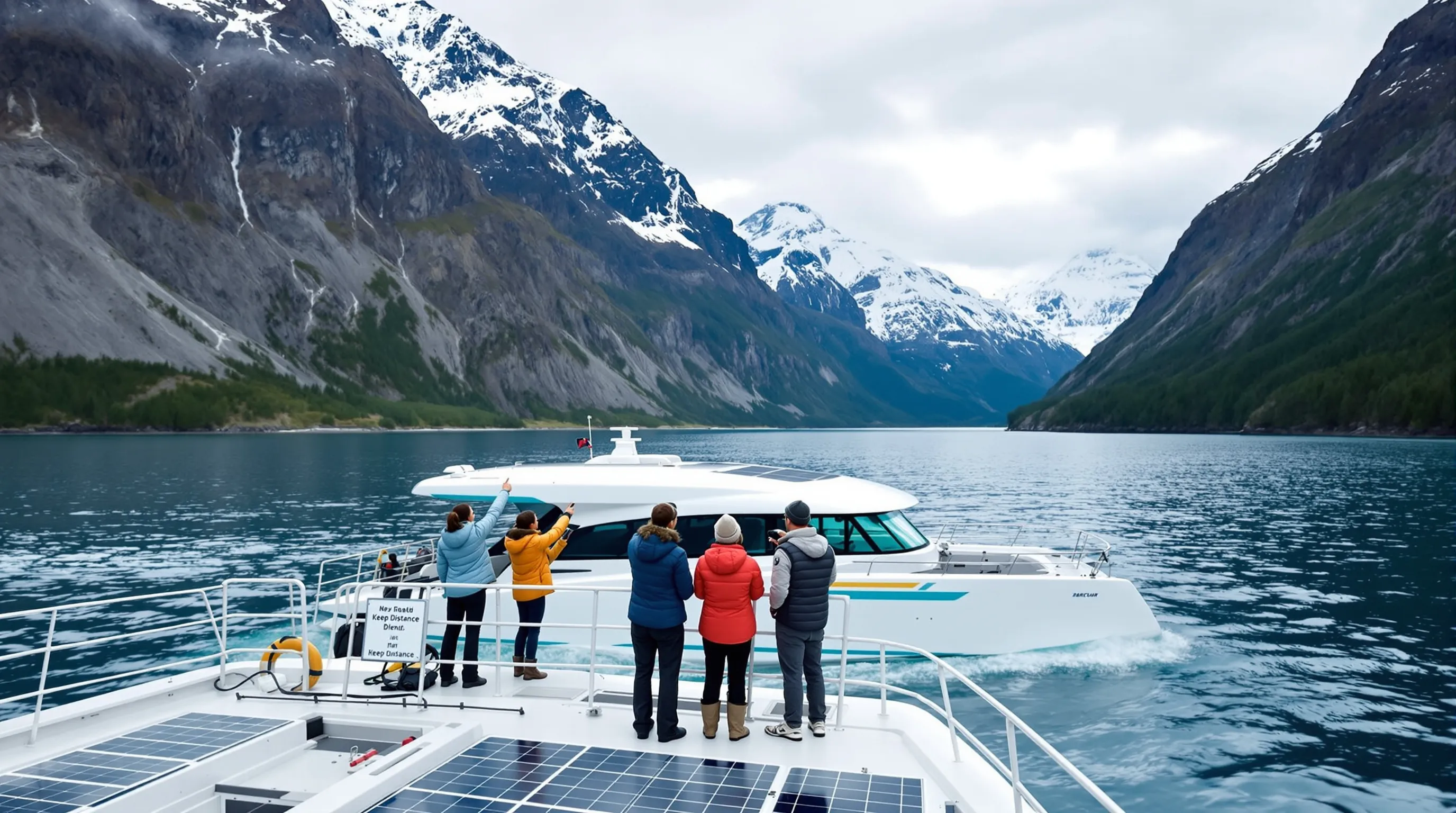
- Norway: Fjords, forests, and a national push for electrified transport. Hybrid and fully electric fjord cruises leave from Bergen and Alesund, and long-distance trains make slow travel a pleasure. Trails are impeccably marked: lodges often run on hydro or heat pumps. In 2025, keep an eye on energy-positive stays, if “Svart“ near the Svartisen glacier is bookable, it’s a bucket-list eco build: if not, choose an eco-certified lodge in the region.
- Azores, Portugal: Volcanic lakes, crater trails, and geothermal hot springs, without the crowds of mainland hotspots. São Miguel’s Sete Cidades and Flores’ waterfalls feel cinematic. You’ll find regenerative hikes with local guides and whale-watching that follows strict codes. Ferries and inter-island flights connect the archipelago: buses and bikes keep your footprint light.
- Bhutan: The world’s only carbon-negative country has long protected its forests and culture. The daily sustainable development fee funds conservation and community programs, and guides open doors to monasteries, mountain trails, and village life you’d never access on your own.
- Sweden: Smooth rail, easy city bikes, and a national love of nature (“allemansrätten“) make low-impact travel simple. Stockholm’s electric ferries, Gothenburg’s veggie-forward food scene, and Lapland’s Sami-led experiences tick the culture-and-conservation box.
- U.S. Domestic Picks:
- Alaska: Wilderness on a scale that resets your sense of time. Opt for small-group ecotours in Kenai Fjords or Glacier Bay, choose operators that avoid wildlife harassment, and consider the Alaska Railroad instead of long drives.
- California’s Yosemite region: Go midweek or in shoulder seasons, use park shuttles, and base in lodgings that manage water and energy smartly. High Sierra trails, star-studded skies.
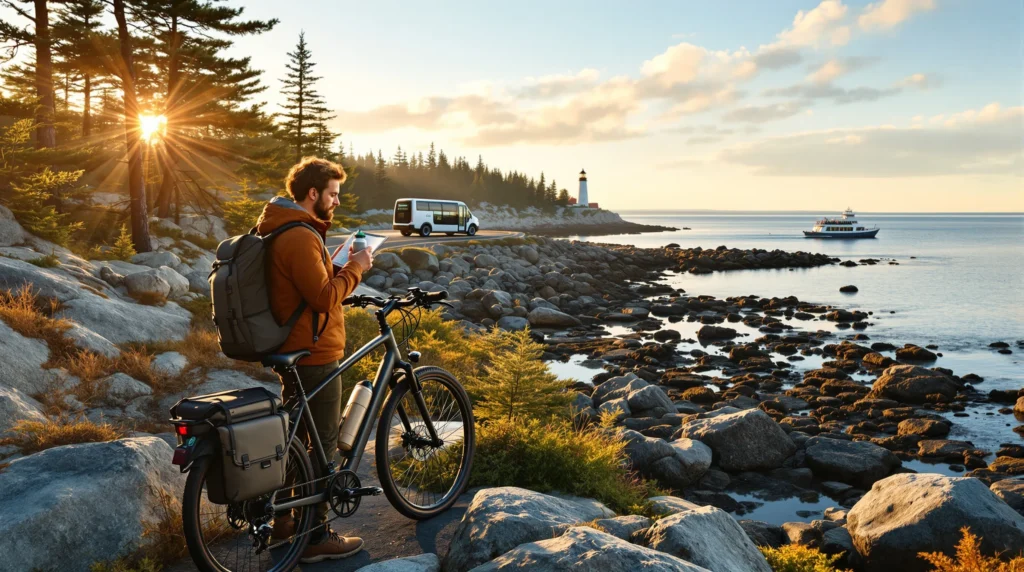
- Maine: Coastal trails, working harbors, and farm-to-fork seafood (with traceable sourcing). Portland’s bike lanes and Acadia’s Island Explorer buses make car-free days easy.
You’ll notice a theme: places where infrastructure and policy already nudge you toward better choices. That’s intentional, and it makes your planning easier.
Low-Impact Ways To Get There And Get Around

- Choose trains and buses whenever you realistically can, especially within Europe. Lisbon–Porto by rail (approx. 3 hours, from $20–$35) is smoother than flying and slashes emissions.
- If you must fly, pick nonstop routes and newer aircraft when possible. Book economy, pack light, and consider credible carbon removal contributions after you cut emissions first.
- In cities, lean on bikes and electric transit. Copenhagen city bikes run about $5–$7 per hour: Stockholm’s transit pass (SL) starts around $15–$20 per day and covers metro, buses, and some ferries.
- Where public transport is limited, rent an electric vehicle or carpool. Many Nordic car shares offer EVs with apps in English.
- On water, select hybrid or electric cruises in fjords and lakes. Smaller vessels usually mean less impact and a closer connection to the landscape.
- Walk more than you think. The best food stalls, viewpoints, and community markets usually sit just beyond the main drag.
Stays, Food, And Experiences That Give Back
- Stays: Look for eco-certified lodges and community-owned guesthouses. In Costa Rica, properties around Arenal and Monteverde often run on solar, compost food waste, and source hyperlocal. In Norway and Sweden, many rural cabins use heat pumps and stock regional products.
- Food: Choose spots that publish sourcing, seasonal menus, organic produce, and seafood with traceable sustainability labels. Farmers’ markets are your best friend: bring a tote and skip single-use packaging. Expect $10–$15 for a hearty market lunch: $25–$45 for a mid-range farm-to-table dinner.
- Experiences: Book local guides. In the Azores, pick whale-watching outfits with marine biologists on board. In the U.S., seek indigenous-led walks where available. Globally, look for workshops, coffee farms in Costa Rica, Nordic foraging walks near Bergen, or traditional crafts classes that pay artisans fairly.
Tell operators what matters to you. When travelers ask about waste, water, and wages, businesses listen, and change happens faster.
Two Copy-And-Paste 7-Day Itineraries
Here are two ready-to-edit plans you can drop into your calendar, complete with low-impact moves.
Costa Rica (Rainforest + Community)
- Day 1–2: Arrive in San José. Walkable food crawl near Barrio Escalante: visit the Central Market. Overnight in a small city hotel with GSTC-recognized certification.
- Day 3–4: Bus or shuttle to Arenal (4 hrs). Stay at an eco-lodge such as Rancho Margot or similar. Tour the on-site permaculture farm, soak in hot springs with strict water management, and hike hanging bridges at dawn.
- Day 5: Fly or shuttle to the Osa Peninsula. Guided wildlife trek in Corcovado National Park with a local naturalist: group size capped for minimal disturbance.
- Day 6: Coffee farm tour near the Central Valley with a hands-on sustainability workshop. Learn about shade-grown practices and biodiversity.
- Day 7: Early kayaking in mangroves: market lunch: depart.
Norway (Fjords + Low-Carbon Rail)
- Day 1: Arrive Oslo. Train to Bergen via the scenic Bergen Line (approx. 6.5–7 hrs). Settle into an eco-certified guesthouse.
- Day 2–3: Take a hybrid or electric fjord cruise in the Geirangerfjord area. Choose operators displaying environmental certifications and wildlife guidelines.
- Day 4: Hike in a local nature reserve: pack a zero-waste lunch. Overnight in a lodge that runs on hydropower or heat pumps.
- Day 5: Visit an organic farm collective: volunteer for a few hours on a community project (many offer visitor days in summer).
- Day 6: Travel north toward the Svartisen region. If bookings open at the “Svart“ energy-positive hotel, overnight: otherwise, choose a certified eco-lodge nearby and book a glacier-view kayak with a Leave No Trace briefing.
- Day 7: Return via rail where possible. Use your operator’s trip emissions summary or create your own with a calculator: note reductions for future trips.
Budget And Planning Tips For Sustainable Travel
- Book early: Eco-lodges and small-group tours cap numbers, so they sell out. Reserve 3–6 months in advance for peak seasons.
- Travel off-peak: Shoulder months (April–May, September–October in many regions) mean lower prices and lighter impact.
- Use passes: European rail passes or regional cards (like Norway’s Vy tickets) can be cheaper than last-minute flights. City transit day passes often pay off after 3–4 rides.
- Choose direct flights: When you can’t avoid flying, nonstop routes typically reduce fuel burn. Compare emissions during booking: many airlines now display estimates.
- Share rides and split guides: Group treks or shared shuttles cut costs and emissions. In Costa Rica, shared transfers between hubs are common and affordable ($30–$60 per person per segment).
- BYO kit: Pack a collapsible bottle, filter, utensils, and a lightweight tiffin for market meals. You’ll save money and plastic.
- Vet credentials: Look for GSTC-recognized certifications or detailed sustainability pages before you book. A five-minute check can spare you greenwashing, and disappointment.
- Sample costs (per person/day): $60–$120 for mid-range eco stays in Costa Rica: $120–$250 in Norway: $30–$60 for food if you mix markets and sit-down meals: $10–$30 for local transit and occasional taxis.