
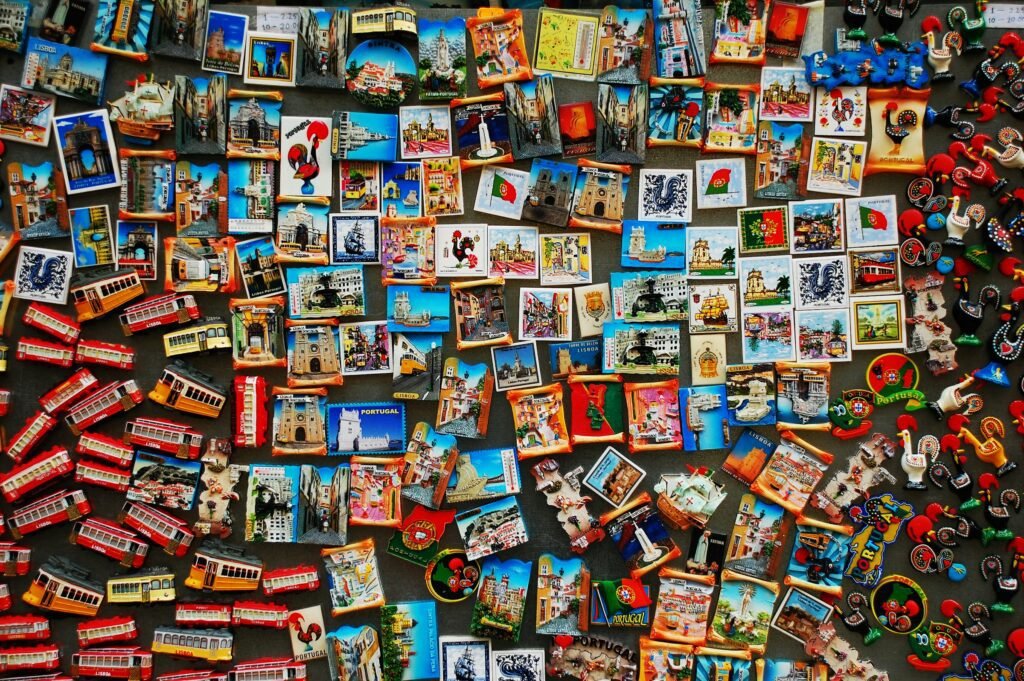
You often see locals selling those souvenirs in the destinations you visit, with you happily taking a look at them. But, how do those locals actually feel about those souvenirs?
Traveling fills souls with experiences, but it also gives travelers the chance to collect little pieces of your journeys, souvenirs that become timeless reminders of the places you’ve explored. From rustic markets filled with handmade crafts to the glistening aisles of modern shops, souvenirs can take many forms, each brimming with the essence of the locale.
But as you consider what to bring home, it’s important to reflect on the meaning behind these items and how they can foster connections with both the culture and the artisans who create them. In this guide, investigate into the world of travel souvenirs, exploring unique ideas from around the globe, ways to choose meaningful items, and tips for thoughtful purchases that celebrate local craftsmanship.
What Are Souvenirs?
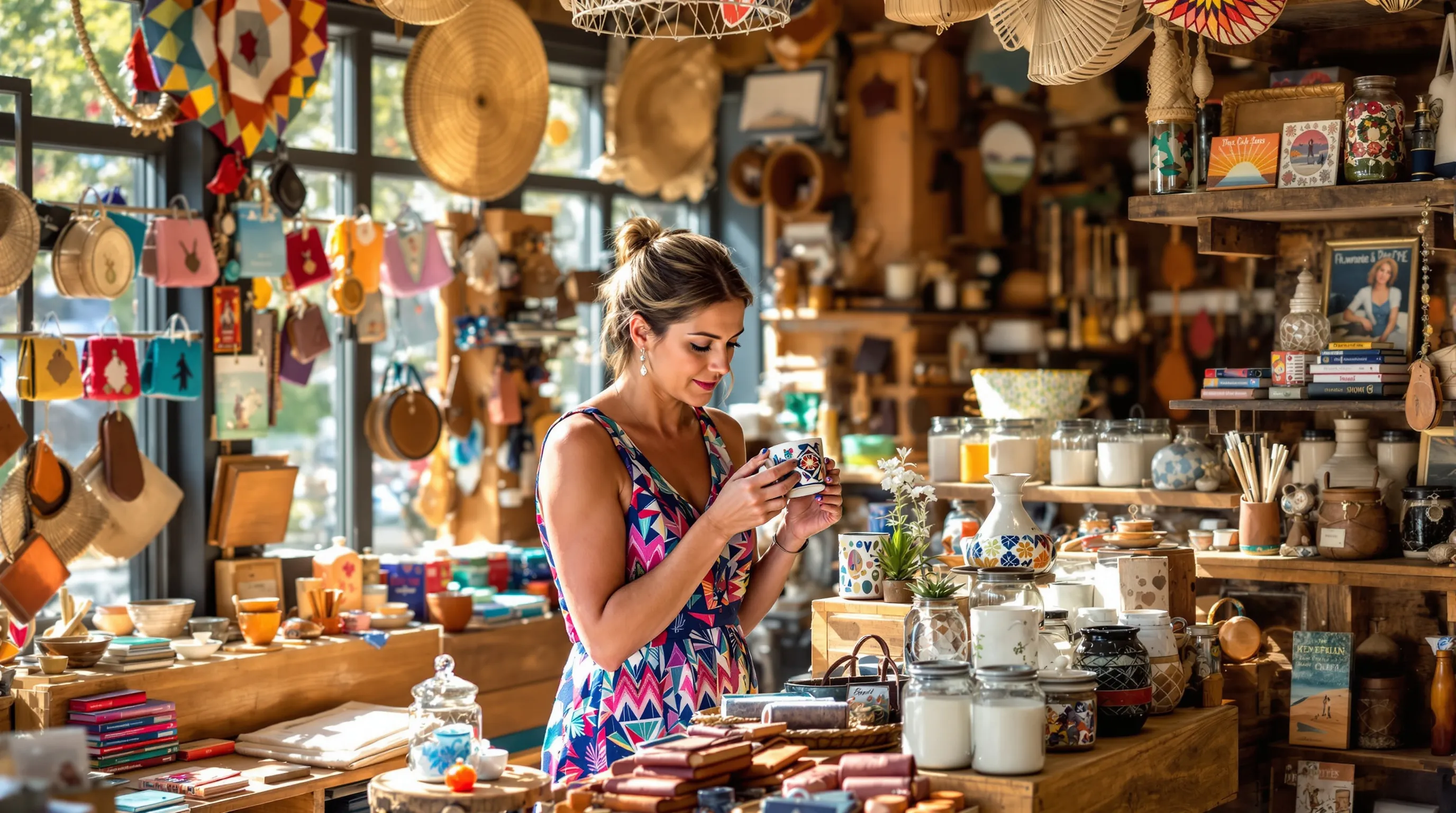
Souvenirs are more than mere trinkets: they are woven narratives that reflect our adventures. Traditionally thought of as the typical offerings, keychains, postcards, or fridge magnets, souvenirs can also be unique artifacts that hold deeper cultural significance. They evoke memories of your travels once you’re back home, bringing to mind the vibrant markets of Bangkok or the serene beaches of Bali.
But, not all souvenirs are created equal. While mass-produced items often cater to tourists, a carefully chosen local craft can bridge the gap between you and the culture of your destination. When you collect a piece of handmade pottery from a remote village or a piece of locally crafted jewelry, you’re carrying home a tangible piece of that place’s history and artistry.
What Souvenirs Mean to Locals
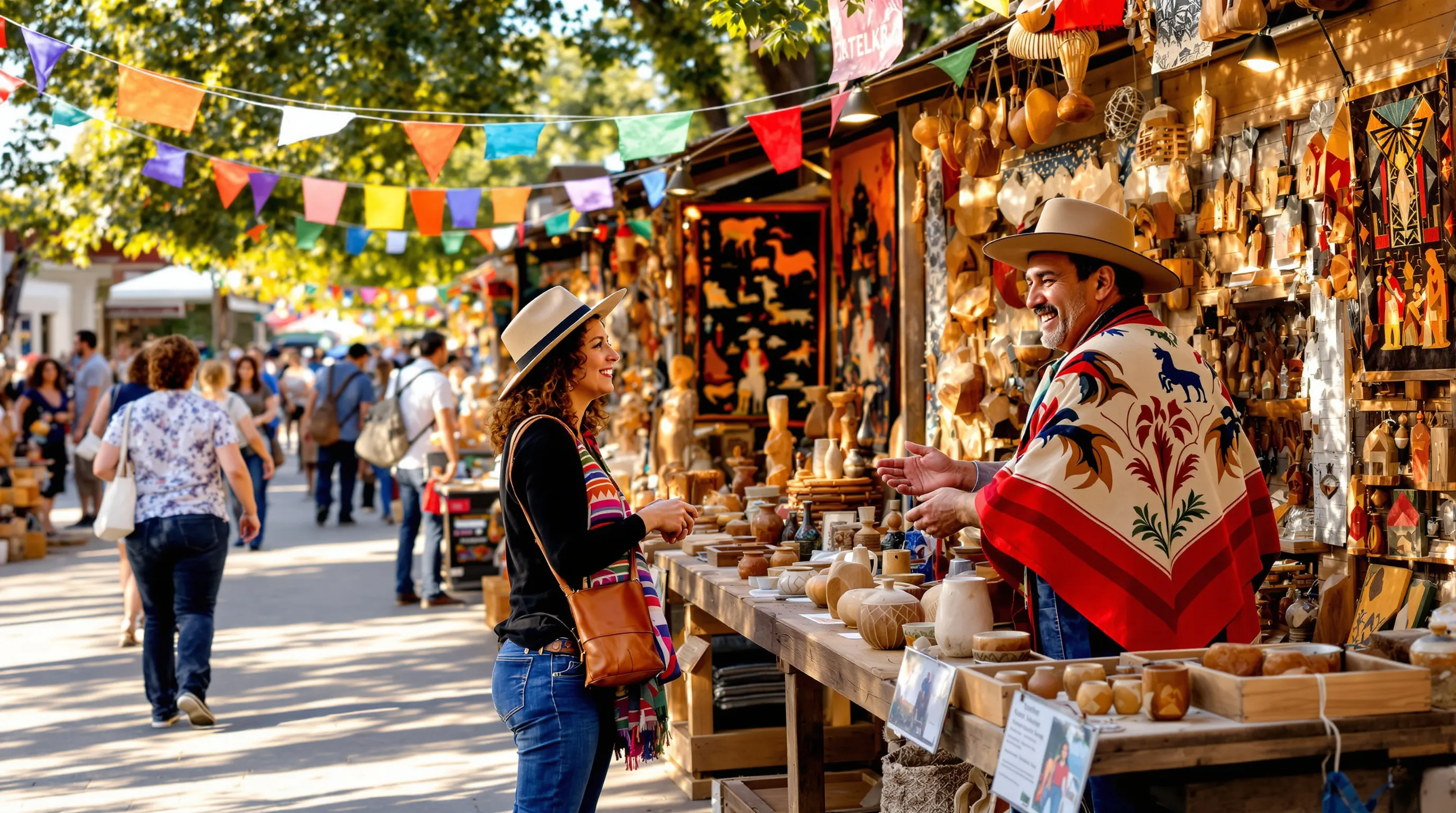
For many local artisans, handcrafted goods are essential to sustaining their livelihoods. These unique pieces often reflect rich cultural traditions and heritage, standing in stark contrast to the commodified tourist items that flood souvenir shops. By opting for handmade crafts, textiles, or locally-sourced products, you’re not just acquiring a piece of art: you’re empowering the local economy and fostering community pride.
For example, in Indonesia, intricate wood carvings symbolize not only great skill but also cultural stories passed down through generations. Similarly, batik from Thailand embodies unique patterns that tell tales of its origin. Your purchase of these items represents support for traditional crafts, ensuring they can thrive in an increasingly globalized world. So, considerations behind your souvenir choice can have broader social and economic ramifications.
Travel Souvenir Ideas From Across the Globe
Compact Classics
When considering ease of travel, seek out compact items like postcards, keychains, stickers, or magnets. These lightweight souvenirs are not only budget-friendly but can also be adorned with beautiful local designs. Think of each postcard as a snapshot of your journey, or those keychains as tiny tokens of your favorites adventures.
Local Crafts
Explore markets and villages for stunning handmade jewelry, woven scarves, and exquisite pottery. Imagine choosing a colorful nesting doll from Russia, each layer representing a story, or a vibrant batik piece from Indonesia that reflects the island’s rich heritage. These items will not just beautify your home: they will remind you of the people and places that inspired their creation.
Practical Items
Give your souvenirs a purpose as well as a memory. Consider reusable mugs, locally designed kitchenware, or even t-shirts that can be converted into quilts over time. Items like these serve dual purposes, being both functional and sentimental, constantly reminding you of your adventures. And don’t forget about signed books, an author’s personal touch brings an extra layer of connection.
Nature & Consumables
Infuse your home with the flavors of your travels by picking up local spices, coffee, or teas. Who wouldn’t want to simulate the flavors of Italy with a jar of rich truffle oil or relive your Dominican adventure with local-made cocoa? These consumables not only serve as delicious reminders of your journeys but also allow you to share those flavors with friends.
Unique Trackers
Collecting items like hiking medallions, patches, or even Christmas ornaments from unique locales can turn into a fun hobby. Each piece tells a story, a reminder of where you’ve hiked, the patches representing your adventures, or ornaments that fill your home with seasonal joy. Consider a snow globe from the Swiss Alps capturing the picturesque charm of snow-capped mountains, each shake, a new adventure.
By focusing on unique, lightweight, and usable souvenirs, you’ll not only make your packing process smoother but also honor local artisans and cultures.
Wrap-Up
As seasoned travelers seeking authentic experiences, the souvenirs you choose matter just as much as the adventures you embark upon. By prioritizing meaningful crafts, consumables, and unique items over generic trinkets, you preserve the stories and essence of your adventures long after the journey home. Each item carries a piece of the tapestry that makes up the global culture, reminding us of the connections we’ve forged and the memories we’ve created. The next time you shop for a souvenir, think beyond the surface, seek out those treasures that honor the place you’ve visited and the artisans who made them.
Key Takeaways
- Souvenirs should embody the essence of your journey and contribute positively to local communities.
- Opt for handmade items and local crafts to support artisans and preserve cultural heritage.
- Choose compact, practical items for easy travel that evoke memories and experiences.
- Think about consumables that allow you to bring a taste of your adventure home.
- Collect unique items like hiking patches or hand-painted ornaments that tell your personal travel story.