
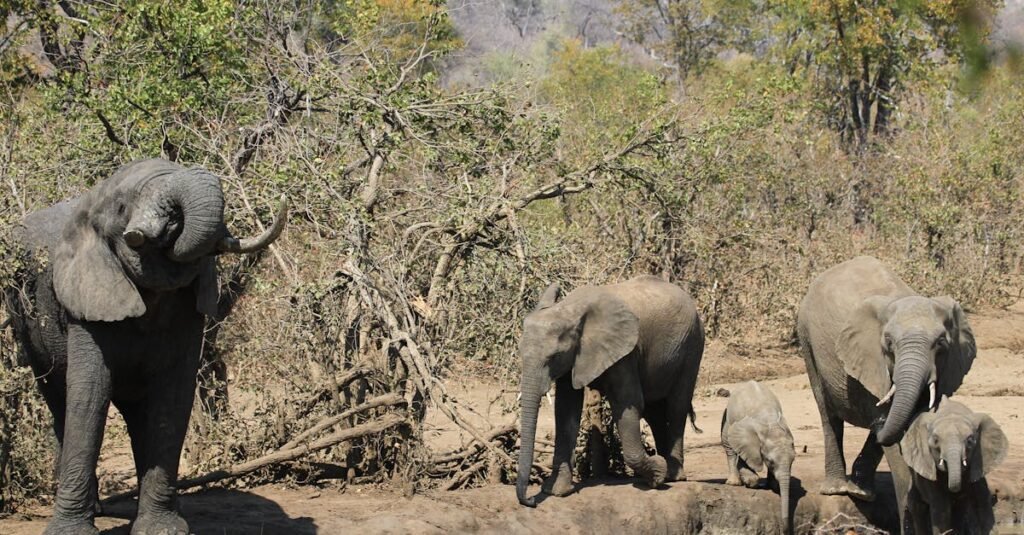
You’re standing in an open-top 4×4 as the sun lifts over the savanna. The air is cool, your coffee’s still warm in your hands, and a lion’s roar rolls across the plains like distant thunder. A moment later, a herd of elephants appears out of the morning mist, moving silently through the golden grass.
If an African safari has always felt like a “someday” trip, too complicated, too expensive, too intimidating, you’re not alone. But it doesn’t have to be. With a bit of planning, you can turn that screensaver fantasy into a very real, very unforgettable journey.
This guide will walk you through how safari trips in Africa actually work: the different styles (from budget overland trucks to dreamy luxury lodges), the best regions and seasons, what it really costs, how to stay safe, and how to travel responsibly.
Why An African Safari Belongs On Your Travel Wishlist
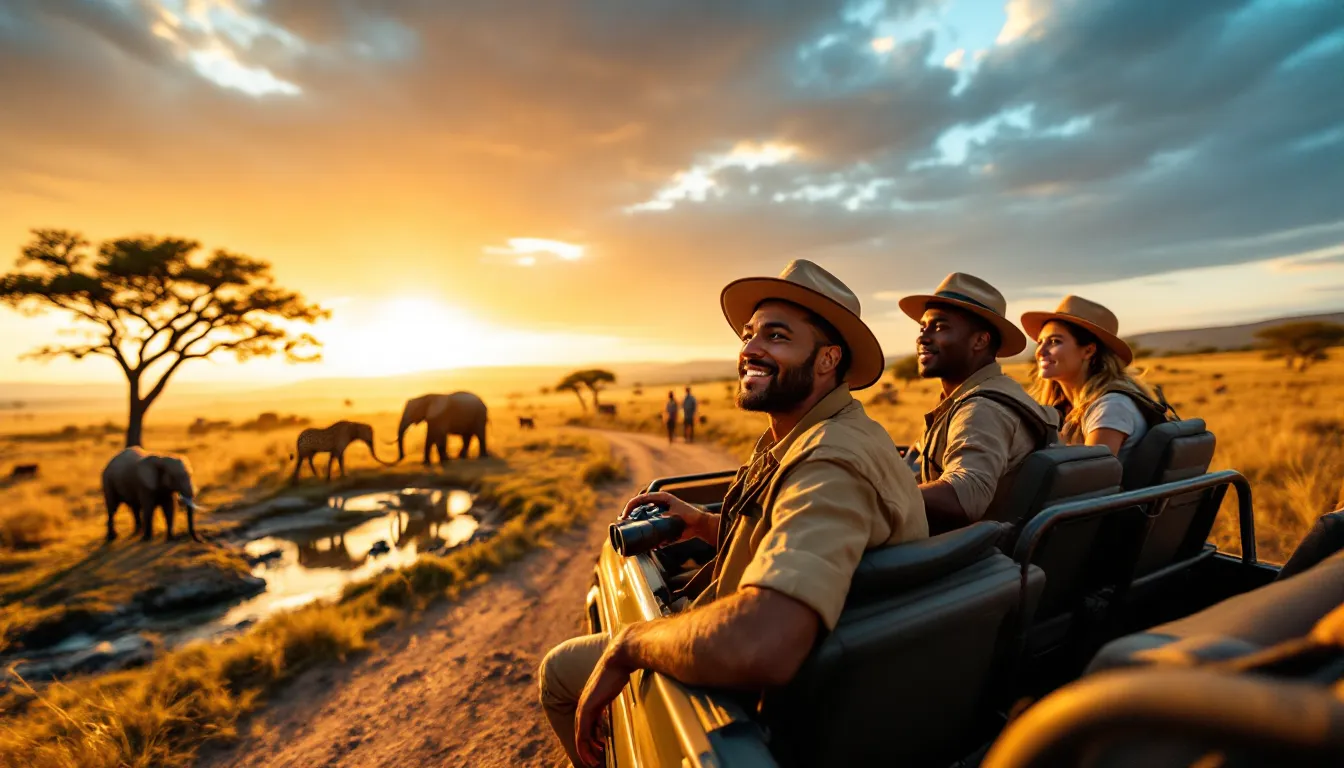
A safari isn’t just another vacation: it literally changes the way you notice the world.
On game drives, you learn to read the landscape, fresh paw prints in the sand, alarm calls from impalas, the shift in a bird’s call that makes your guide pause the engine. Your senses switch on in a way that’s hard to find behind a laptop.
Here’s what makes safari trips in Africa so special:
- Wildlife encounters that don’t feel staged. You’re not watching animals perform: you’re stepping into their world. Maybe you’ll see a leopard draped across an acacia tree or a rhino quietly grazing at sunset. Maybe you’ll just sit for 20 minutes watching a baby elephant fail hilariously at using its trunk.
- Different ways to experience the bush. Classic morning and afternoon game drives are the backbone of most safaris. But you can also float over the plains on a sunrise balloon ride, lace up for a guided walking safari, or drift along a river at sunset with hippos snorting all around you.
- A rare kind of stillness. Wi‑Fi is often patchy, which is a blessing in disguise. Nights are filled with stars and the low rumble of distant animals instead of notifications. It’s an invitation to slow down and just be.
For many travelers, a safari becomes a marker in life, before and after you watched the sun set over the Serengeti or listened to hyenas whooping outside your tent. It’s not just a bucket-list check: it genuinely re-centers you.
Choosing Your Safari Style: From Budget Overlander To Luxe Lodge
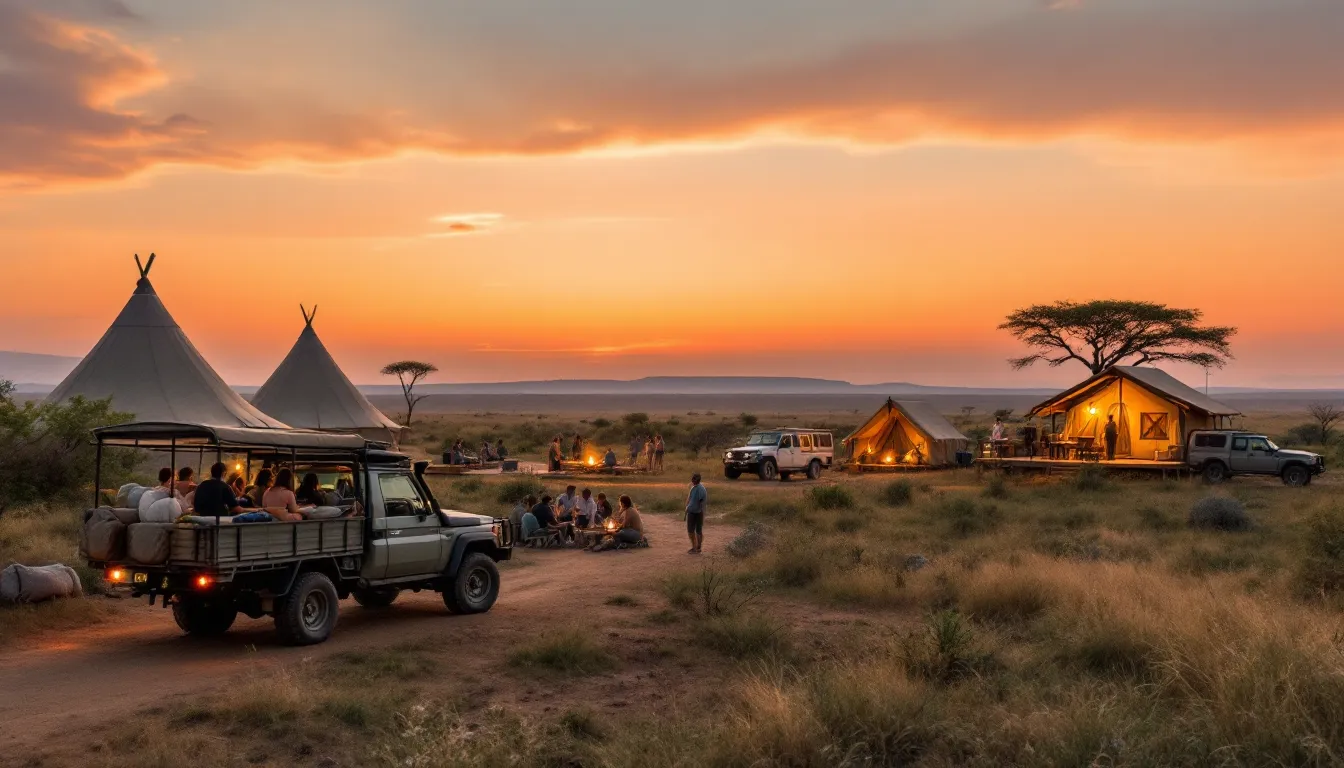
One of the biggest myths about safari trips in Africa is that they’re only for people dropping $20k on a honeymoon. The reality: you’ve got a wide range of styles, and you can mix and match.
Budget overland safaris
If you’re comfortable with a bit of grit and love meeting other travelers, overland safaris are your sweet spot.
- You travel in a larger truck with a small group (often 10–18 people)
- Accommodation is usually simple tents (sometimes you help set them up)
- Some meals are cooked together at camp
- Showers might be shared or a little rustic
They’re social, affordable, and great if you’re fine trading some comfort for more days in the bush.
Mid-range tented camps and lodges
This is where most first-time travelers land.
- You sleep in permanent tents or snug chalets with real beds, proper bathrooms, and often solar-powered hot water
- Game drives are in smaller vehicles with pro guides
- Meals are cooked for you, often served under the stars
You still feel close to nature, canvas walls, sounds of the night, but don’t have to think about logistics.
Luxe lodges & bush retreats
If you’re celebrating something big (or just really ready to splurge), luxury lodges are unreal.
- Gorgeous suites or tents, sometimes with private plunge pools
- High staff-to-guest ratios, incredible food, and curated experiences
- Extras like spa treatments, private sundowners, and photographic guides
The wildlife is the same lion, but the way you come back to a glass of wine and a bubble bath afterward is very different.
Specialty safaris
You can also build your trip around a passion:
- Photographic safaris with pro photographers and vehicles designed for shooting
- Horseback safaris in certain parks and conservancies
- Family safaris with kids’ programs and child-friendly guides
When you’re choosing, be honest about how you like to travel. Are you okay with a little dust and shared bathrooms if it means staying longer? Or would you rather do fewer nights in more comfort? There’s no right answer, just what fits your energy, budget, and travel style.
Classic Safari Regions In Africa And When To Go
Africa is huge, and “going on safari“ can mean completely different things depending on where you land. Here are the main regions people start with, plus when they shine.
East Africa: Kenya And Tanzania For Iconic Wildlife Moments
If you close your eyes and picture an African safari, endless golden plains, lone acacia trees, huge herds, you’re probably imagining Kenya or Tanzania.
- Masai Mara, Kenya: Famous for big cats and the Great Migration, when over a million wildebeest and zebra move through the ecosystem.
- Serengeti, Tanzania: Immense, cinematic landscapes and classic game viewing, especially during migration season.
Best time to go:
- July–October for the Great Migration and (if you’re lucky) dramatic river crossings.
- Shoulder months like June and early November can be more affordable and slightly less crowded.
This is also where you’ll find those dreamy hot air balloon safaris drifting over herds at sunrise.
Southern Africa: South Africa, Botswana, Namibia, And Zimbabwe
Southern Africa is incredibly varied, and a strong choice if you’d like to combine safari with cities, wine, or deserts.
- South Africa (Kruger & private reserves): Excellent for first-timers. Infrastructure is great, and you can pair Kruger with Cape Town or the Garden Route.
- Botswana (Okavango Delta, Chobe): Wild, water-based safaris with mokoro (dugout canoe) trips, boat cruises, and incredible elephant viewing.
- Namibia (Etosha): Stark, beautiful landscapes: dry-season safaris with animals congregating at waterholes.
- Zimbabwe (Hwange, Mana Pools): Fewer crowds, fantastic guiding, and rich elephant and predator sightings.
Best time to go:
- Generally May–October (dry season) is prime: vegetation thins out, animals gather at water sources, and malaria risk is often lower.
- November–April can bring lush green landscapes, migratory birds, and lower prices, but also more rain and thicker bush.
Less-Crowded Gems: Zambia, Rwanda, And Beyond
If you’re already thinking, “I don’t want the most popular park: what else is out there?“, this is your section.
- Zambia (South Luangwa, Lower Zambezi): Known as the home of the walking safari. You’ll track footprints, learn to read the bush, and feel the wild in a different way.
- Rwanda (Volcanoes National Park): For many, gorilla trekking here is life-changing. It’s pricey but profoundly intimate: only a limited number of daily permits exist.
- Uganda, Mozambique, and lesser-known reserves across the continent also offer more offbeat options with fewer vehicles and a deeper sense of remoteness.
These destinations are ideal if you’ve done a classic safari or if crowds really drain you. They tend to be a bit more expensive and logistically complex, but the payoff is massive.
Budgeting For A Safari Trip (Without Selling Your Kidney)
Let’s talk money, because safari pricing can feel like throwing darts in the dark.
Smart Ways To Save On Flights, Lodging, And Tours
You can do safari trips in Africa without wrecking your savings. A few levers make a big difference:
- Travel in shoulder season. Late May–June or September–early November often offer good wildlife, fewer people, and lower prices.
- Choose tented camps over ultra-luxe lodges. Canvas doesn’t mean uncomfortable. Many mid-range camps are cozy, stylish, and half the price of high-end lodges.
- Join group departures. Small-group or overland tours spread guide, vehicle, and park fees across more people.
- Fly into major hubs. Compare flights to Johannesburg, Nairobi, and Cape Town and then add regional hops.
- Limit internal flights. Light aircraft transfers add up fast. If you’re on a budget, focus your safari in one region instead of hopping all over.
Booking 9–12 months out often unlocks early-bird discounts, especially for popular parks in peak season.
Sample Budget Ranges For Different Safari Styles
Prices vary by country and season, but rough per person, per day ranges (excluding your international flight) look like this:
- Budget overland camping: $200–$500
- Group truck, basic tents, shared facilities
- Mid-range lodges/tented camps: $400–$800
- Comfortable rooms or tents, most meals, game drives included
- Luxury lodges: $1,000+
- Top-tier guiding, gourmet food, premium drinks, often fully inclusive
Don’t forget to factor in:
- Park fees and conservation levies
- Tips for guides and camp staff (often $10–$25 per guest per day, depending on level)
- Visa fees and travel insurance
If your budget is tight, consider combining 3–4 days of safari with time in a cheaper beach or city destination nearby, like Zanzibar, Cape Town, or the Kenyan coast, to extend your trip without multiplying safari costs.
Key Logistics: Visas, Safety, And Getting Around
Once you choose your region and style, the next big questions are: How do I book this, and is it safe?
Booking Direct Vs. Using A Safari Operator
You’ve got three main options:
- Book everything yourself
- Best if you’re experienced, have time to research, and are traveling somewhere with strong infrastructure (like South Africa’s Kruger self-drive).
- You’ll piece together flights, car rentals, lodges, and park reservations.
- Use a safari operator or specialist travel agent
- Ideal for first-timers or more complex itineraries (multiple countries, remote parks).
- They help match you with the right camps, handle transfers, and troubleshoot if something goes sideways.
- Join a group tour
- You pay a package price: they handle almost everything.
- Great for meeting other travelers and simplifying logistics.
For many first-time safari trips in Africa, working with a reputable operator is worth the fee for the peace of mind alone.
Staying Safe And Healthy On Safari
Most safari areas are surprisingly safe when you follow the rules. A few basics:
- Listen to your guide. If they say “don’t stand up,“ “don’t walk alone at night,“ or “that bush isn’t a toilet,“ they mean it.
- Health & vaccines: Check CDC guidance for your destination 6–8 weeks before you go. Many safari regions are malaria areas, so talk to your doctor about prophylaxis.
- Travel insurance: Non-negotiable. Make sure it covers medical evacuation from remote areas.
- In camp: You’re usually escorted at night. Don’t wander off your tent’s path, and keep food out of your room.
Most camps take safety seriously. You’ll be briefed on how things work when you arrive, pay attention, ask questions, and you’ll be fine.
Traveling Responsibly: Ethical And Sustainable Safaris
Safaris exist because the wildlife and ecosystems are protected. How you travel can either support that or slowly erode it.
Choosing Ethical Operators And Wildlife Experiences
A few green flags when you’re researching companies and lodges:
- They avoid captive animal interactions like lion cub petting, elephant rides, or performing animals.
- They employ and train local guides and staff, not just imported talent.
- They‘re transparent about conservation or community fees included in your stay.
- Group sizes are kept small, and vehicles follow ethical viewing practices (no surrounding animals or getting too close).
If an experience feels more like a zoo sideshow than a wild encounter, skip it.
Cultural Respect And Supporting Local Communities
You’re not just visiting wildlife: you’re also stepping into people’s homelands.
Some simple ways to show respect:
- Ask before you photograph people, especially in villages or markets.
- Learn a few words of the local language, basic greetings go a long way.
- When visiting Maasai, Himba, or other communities, choose operators that clearly share revenue and work with them on their terms.
- Buy souvenirs from local artisans and cooperatives instead of imported trinkets.
Done well, safari trips in Africa can help fund schools, clinics, anti-poaching units, and small businesses. Your money becomes part of a bigger story, not just a personal adventure.
What To Pack And How To Prepare
Packing for safari is less about looking like a movie character and more about being comfortable and practical in the elements.
Essential Gear For Game Drives And Bush Walks
Start with the non-negotiables:
- Binoculars: Even a basic pair (8x or 10x) makes a huge difference.
- Sun protection: Wide-brim hat, high-SPF sunscreen, and sunglasses.
- Sturdy shoes: Lightweight hiking boots or solid sneakers for walks.
- Daypack: To stash layers, camera gear, water, and snacks.
- Lightweight jacket or fleece: Early mornings and evenings can be surprisingly cold.
Most camps provide drinking water and blankets on drives, but bringing your own reusable water bottle is a good idea.
Clothing, Tech, And Photo Tips For First-Timers
You don’t need head-to-toe safari gear, but a few guidelines help:
- Colors: Stick to earth tones, olive, tan, brown, gray. Bright white and neon can stand out, and dark blue/black attract some insects.
- Layers: Temperatures can swing from chilly dawn to hot midday. Think T-shirt + long-sleeve + light jacket.
- Tech:
- Camera with a zoom lens (something in the 200–300mm range is great, but even a good phone camera works surprisingly well now).
- Extra memory cards and a power bank, charging may be limited in remote camps.
- Offline maps and key documents saved on your phone.
Photo-wise, remember: you’re there to experience, not just to collect shots. Get your photos, then put the camera down sometimes and simply sit with the moment. That’s usually when the magic happens.