
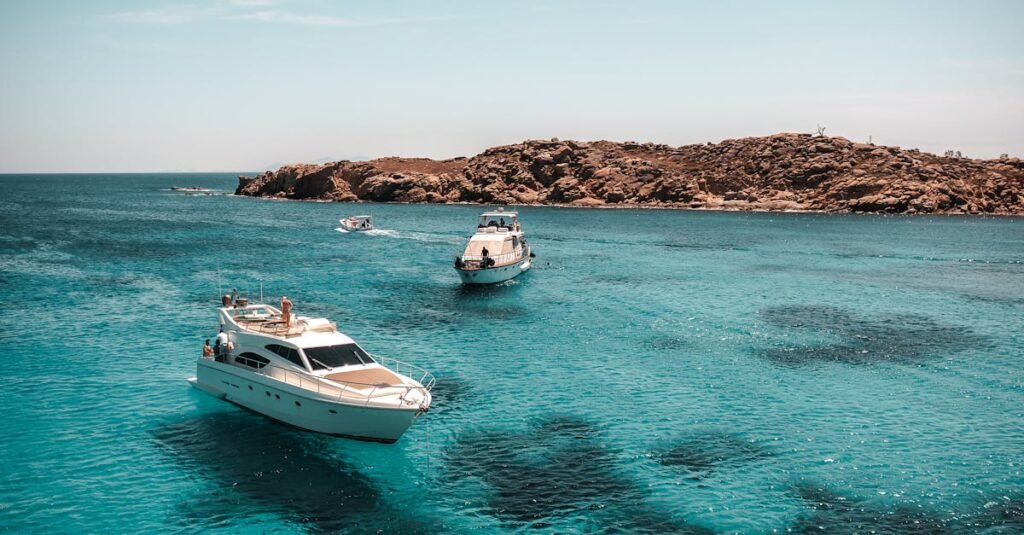
The first time you step onto Mykonos, it hits you in layers.
The wind carries salt from the Aegean, the alleys of Chora (Mykonos Town) glow white and blue, and somewhere in the distance a DJ is already warming up for sunset. But what you don’t see on Instagram is the quiet monastery courtyard in Ano Mera at noon, the older couple running a taverna on a back street, or the feeling of swimming in water so clear it looks edited.
You’ve probably heard of Mykonos as the party island – Champagne sprays, beach clubs, celebrity yachts. That’s definitely one version of it. But if you’re a traveler who values culture, slow mornings, good coffee, and conversations with locals just as much as late nights, there’s another Mykonos waiting for you.
This guide is written for you: someone who wants the Greek island Mykonos experience, but with more depth, more balance, and more real-life detail. Let’s build a version of Mykonos that fits your style, your budget, and your curiosity.
Why Mykonos Belongs On Your Greece Shortlist
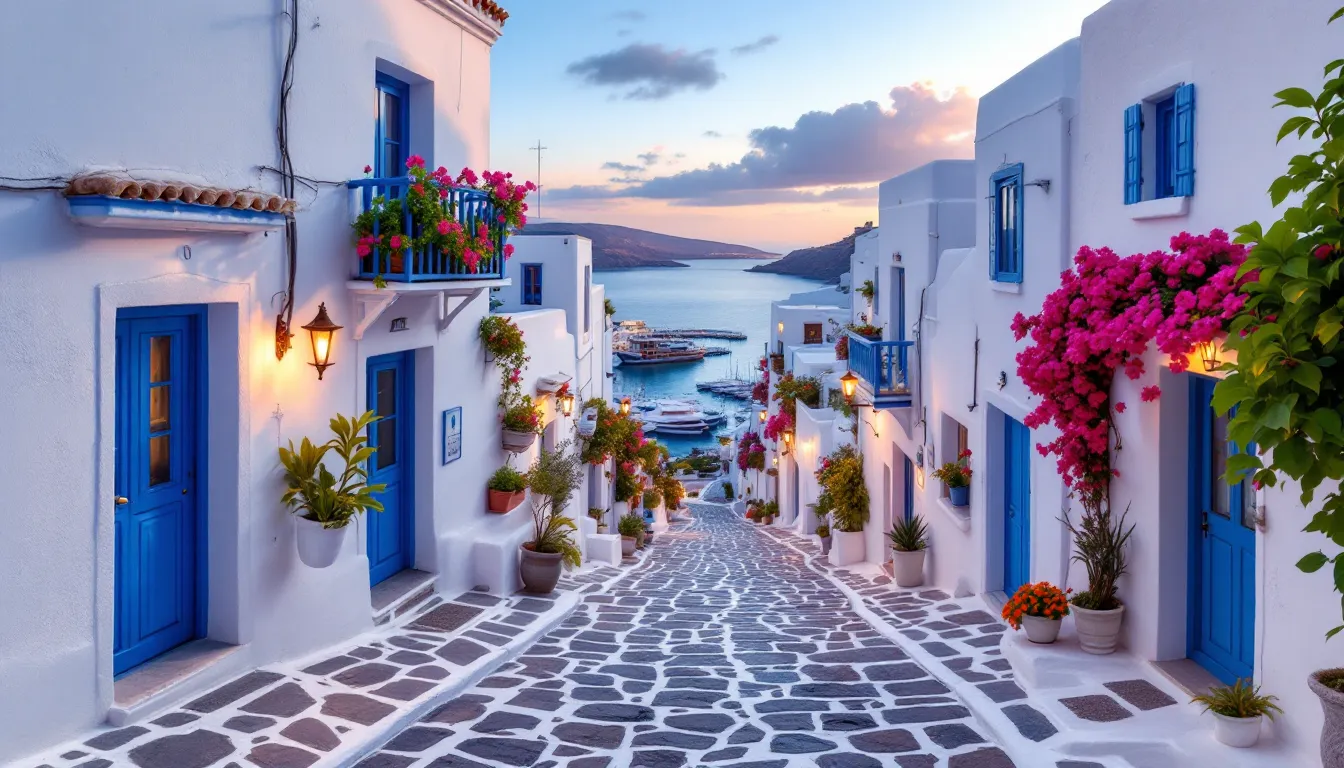
You might be wondering if Mykonos is really worth it, especially when you could spend more time in Santorini, Naxos, or Crete. Here’s why this small Cycladic island earns a place on your Greece shortlist.
Mykonos is where iconic postcard Greece comes to life: whitewashed cube houses, blue doors, windmills on the hill, tiny churches tucked into corners you almost miss. It’s compact and walkable, yet dense with experiences, from serious nightlife to quiet coves and ancient history.
Just a short boat ride away, Delos is one of the most important archaeological sites in Greece, once a powerful religious and trading center. You can party all night, then stand among ancient temples the next morning, staring at marble statues under the same sun.
Mykonos also works especially well if you:
- Want to combine beach time, food, culture, and nightlife in one stop.
- Prefer a home base with reliable infrastructure, good ferries, frequent flights, solid Wi‑Fi, and plenty of accommodation options.
- Like choice: high-end beach clubs and free stretches of sand, Michelin-aspiring tasting menus and humble gyros.
If you’re doing a short Greece trip, say 7–10 days, Mykonos slots in beautifully as a 3–4 night stay: enough time to taste the island beyond the stereotypes without burning out on crowds or costs.
Getting To Mykonos And When To Go
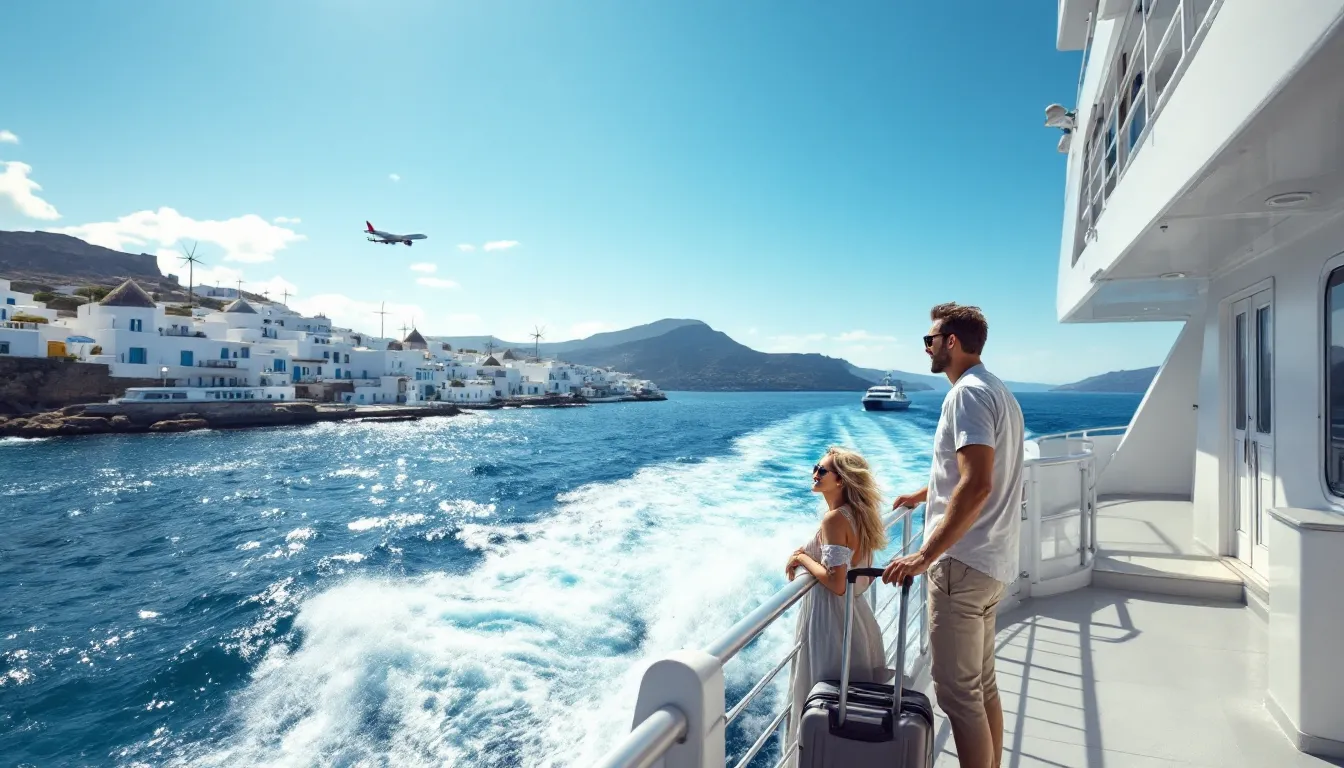
You’ll most likely reach the Greek island Mykonos in one of two ways: by plane or by ferry.
By air:
- Mykonos Airport (JMK) has direct seasonal flights from several European hubs (London, Paris, Rome, Amsterdam, etc.). From the U.S., you’ll usually connect through Athens or another European city.
- From Athens (ATH), flights are around 35–45 minutes. In high season, you’ll find multiple daily departures.
By ferry:
- Ferries leave from Piraeus (Athens’ main port) and Rafina. Depending on the boat, the trip takes about 2–5 hours.
- High-speed ferries cost more but cut travel time: standard ferries are cheaper, more spacious, and often more pleasant if you’re not in a rush.
If you’re prone to seasickness, a short flight might be worth the extra cost. If you love the slow reveal of islands on the horizon and you’re not on a tight schedule, the ferry is part of the adventure.
When To Go
Timing your trip matters a lot with Mykonos.
- May–June: Shoulder season sweet spot. The water is swimmable by late May, businesses are open, crowds are lighter, and prices aren’t at their peak.
- July–August: Peak season. This is when Mykonos goes fully “party island.“ You’ll get hot temperatures, non-stop nightlife, and heavy crowds, plus the highest prices on accommodation and sunbeds.
- September: Another excellent time. The sea is warm from summer, the vibe is more relaxed, and you’ll still have plenty of nightlife and open restaurants without the claustrophobic crowds.
- October–April: Quiet, some places close for the season, ferries are less frequent. If you’re okay with a more local, low-key experience and cooler water, it can be lovely, just plan carefully.
If you’re looking for balance, days at the beach, nights out, and the ability to actually walk through Mykonos Town without shoulder-bumping everyone, aim for late May, early June, or September.
Where To Stay: Best Areas For Different Travel Styles
Where you stay on Mykonos shapes your entire experience. The island’s not huge, but the difference between waking up in Mykonos Town vs. a quiet bay is drastic. Think about your priorities: nightlife, beach access, quiet, or a bit of everything.
Mykonos Town (Chora): Walkable Base With Energy
If you picture yourself wandering white alleys at night, popping into bars, and stumbling home on foot, Mykonos Town is your spot.
Why you’ll like it:
- You can walk almost everywhere you need in town, bars, restaurants, boutiques, the harbor.
- It’s ideal if you don’t want to rent a car or ATV. Buses to major beaches leave from nearby.
- Perfect for solo travelers who want to be close to people and nightlife.
Good to know:
- There’s no real beach in the center: you’ll bus or taxi to swim.
- It’s busy, especially at night in July–August. If you’re noise-sensitive, check reviews for comments about clubs nearby.
Approximate budget (per night in shoulder season):
- Budget guesthouse: $80–140
- Mid-range boutique hotel: $180–300
- High-end suites: $350+
Ornos And Platis Gialos: Beachfront Convenience
If you want to roll from bed to sunbed in under five minutes, look at Ornos and Platis Gialos on the south coast.
Ornos:
- Calm, sheltered bay: great for swimming and paddle-boarding.
- Family-friendly but still stylish, with beach clubs and tavernas.
- Easy bus or short taxi to Mykonos Town.
Platis Gialos:
- Long sandy beach lined with hotels and restaurants.
- Water taxis leave from here to other south-coast beaches (Paradise, Super Paradise, etc.).
- Feels slightly more resorty, in a good way, with everything in one place.
These areas are great if you want a relaxed base with easy access to both town and multiple beaches.
Ano Mera And The Interior: Quiet And Local
If you crave a slower, more local experience, look inland to Ano Mera, a traditional village that feels a world away from the beach parties.
You’ll find:
- A peaceful central square anchored by the Panagia Tourliani Monastery.
- Local tavernas where you’re more likely to hear Greek than English.
- Simple rooms, small guesthouses, and a much more low-key pace.
Staying here makes sense if you:
- Don’t mind renting a car or scooter.
- Prefer traditional food, quiet nights, and more privacy.
- Want to see a version of Mykonos that hasn’t fully turned into a glossy postcard.
Luxury, Villas, And Unique Stays
Mykonos does luxury extremely well. If you’re in the mood to splurge for a few nights, or you’re traveling with friends and want a shared villa, you’ll have options.
- Psarou is the classic luxury hotspot, home to high-end beach clubs and designer shopping.
- Hillsides above Ornos, Agios Ioannis, and Elia are dotted with villas, infinity pools, sunset views, and often quiet surroundings.
To keep it aligned with your values:
- Look for locally owned boutique hotels or villas.
- Consider splitting your stay: a few nights in town for energy, then a quieter spot by the beach.
- If you’re remote-working, double-check Wi‑Fi speeds and desk setups: photos can be misleading.
What To Do In Mykonos: Beaches, Villages, And Day Trips
Mykonos is small enough that you can see a lot in a few days, but varied enough that you won’t get bored if you stay longer. Think of your time here as a mix of town wandering, beach-hopping, and a touch of history.
Mykonos Town Highlights
Set aside at least one unstructured half-day just to get lost in Chora.
- Start near the windmills (Kato Mili). They’re touristy, sure, but the view over the sea and Little Venice is pure Greek drama.
- Wander down into Little Venice, where balconies hang over the water. It’s crowded at sunset but worth it once.
- Duck into the tight alleys around Matogianni Street for boutiques, artisan jewelry, and small galleries. Even window-shopping here is fun.
- Step inside one or two of the island’s small churches, they’re everywhere. Even a quick pause in the cool, incense-scented interior feels grounding amid the crowds.
Aim to see the town at two different times: early morning when it’s quiet and washed in soft light, and after dark when bars and restaurants spill into the streets.
Beaches For Every Mood
You could structure your entire Mykonos stay around beaches and not regret it. The key is choosing beaches that match your energy.
- Paradise & Super Paradise: Iconic party beaches. Expect daytime DJs, cocktails, and people dancing on tables by late afternoon. Fun if you’re in the mood, but intense if you’re not.
- Platis Gialos & Ornos: Great all-rounder beaches. Calm enough for families, lively enough for young travelers, with good restaurants and facilities.
- Elia: Long, beautiful stretch of sand with more space between sunbeds. Sections are quieter and more relaxed.
- Agios Ioannis & Kapari: Lovely for sunsets and a bit more tranquility. Kapari in particular feels more hidden, with fewer organized facilities.
You’ll see plenty of sunbed sets renting for €30–60+ per day in high season. If that’s not your vibe, look for public sections of sand where you can drop a towel for free. Bring a light travel umbrella if you burn easily.
Day Trips And Nearby Islands
If you do one cultural excursion from Mykonos, make it Delos.
- Boats leave from the Old Port area in Mykonos Town: the ride is about 30–40 minutes.
- Plan for a half-day trip. Go on the morning departure to avoid the worst heat.
- On Delos, you’ll walk through ancient streets, temples, and houses with mosaics that have survived centuries. Even if you’re not a history buff, the scale and setting are impressive.
Wear good shoes, bring water, and expect limited shade. You can join a guided tour or explore on your own, but a guide (or at least an audio guide) helps bring ruins to life.
You can also use Mykonos as a hopping point to other Cyclades, like Paros or Naxos, if you’re building a multi-island trip.
Eating And Drinking In Mykonos Like A Local
Food is where Mykonos can still surprise you, especially once you step away from the flashiest spots.
Local Flavors To Try
You’ll find all the Greek favorites (souvlaki, moussaka, horiatiki salads), but seek out a few Mykonian specialties:
- Kopanisti: A spicy, salty local cheese spread, usually served as a meze with bread.
- Louza: Cured pork, thinly sliced, Mykonos’s answer to prosciutto.
- Mostra: Barley rusk topped with kopanisti, tomato, and capers: like a local bruschetta.
- Fresh seafood: Grilled octopus, whole fish, calamari. Prices vary widely, so check the menu before you commit.
For a more authentic feel, eat at least one meal in Ano Mera. The tavernas around the square are more traditional and often better value than waterfront places.
Where To Find Great Coffee, Sunsets, And Cocktails
Your days on Mykonos might naturally fall into a rhythm: coffee → swim → late lunch → rest → sunset → drinks.
- In Mykonos Town, you’ll find plenty of cafés with decent espresso and good people-watching. Look for spots slightly off the main drag to avoid tourist pricing.
- For sunset drinks, Little Venice is the classic choice, order a cocktail and accept that you’re partly paying for the view. If you want something quieter (and often more beautiful), head toward Agios Ioannis or find a hilltop bar.
- Beach bars at Ornos, Platis Gialos, and Agios Ioannis offer the lazy luxury of going straight from sea to spritz.
If you’re not into the hardcore club scene, don’t worry. Mykonos has plenty of bars where you can sip good wine or a cocktail, listen to music, and still wake up early enough for a morning swim.
Working Remotely From Mykonos: Wi‑Fi, Work Spots, And Longer Stays
If you’re traveling with your laptop, Mykonos can absolutely work as a short-term digital nomad base, especially in the shoulder seasons.
Coworking, Cafés, And Working From Your Stay
You won’t find a huge coworking ecosystem like in Lisbon or Bali, but you don’t really need it for a 1–3 week stay.
- Many cafés in Mykonos Town have reliable Wi‑Fi and are used to people lingering with laptops, especially in the morning and early afternoon. Order more than one drink or snack if you’re staying for hours.
- A lot of hotels, villas, and apartments advertise good Wi‑Fi. Still, message your host to confirm speeds if work is non-negotiable.
- Consider staying slightly outside the absolute center if you need quiet for calls, nightlife in Chora can run late.
For rhythm, think: early-morning deep work, midday beach break, then a lighter work block before or after sunset.
In terms of stay length, 3–5 days is perfect for a vacation with a bit of laptop time. If you want to linger and work more seriously, the best months are May–June and September–October, when prices dip and the island breathes a little.
Money, Budgeting, And Practical Tips For a Smooth Trip
Mykonos has a reputation for being pricey, and it can be. But you can also design a trip that doesn’t destroy your savings, especially if you understand where the money tends to go.
How Expensive Is Mykonos Really?
Think of Mykonos as flexible but skewed upscale.
Typical costs in shoulder season (approximate, per person):
- Mid-range dinner with wine: €25–40
- Simple gyros or quick meal: €5–12
- Sunbed set at a popular beach: €30–60+ (for two beds & umbrella)
- Local bus between town and main beaches: €2–4 one way
Ways to keep your budget sane:
- Travel in May, early June, or September instead of July–August.
- Stay in a guesthouse or simple apartment a bit outside the main hotspots.
- Alternate between sunbed days and towel-on-sand days at free sections of the beach.
- Stock up on breakfast items and snacks from supermarkets rather than eating every meal out.
Getting Around The Island
You don’t need to drive to enjoy Mykonos, but a bit of planning helps.
- Buses connect Mykonos Town with major beaches like Ornos, Platis Gialos, Paradise, and others. Routes and frequency are best in high season.
- Water taxis along the south coast are a fun and practical way to beach-hop.
- Taxis are limited in number and can be expensive, especially late at night. Pre-book if you’re catching an early ferry or flight.
- ATVs and scooters are popular but come with risks, narrow roads, strong winds, busy traffic. If you rent one, wear a helmet, avoid alcohol, and drive cautiously.
If you’re staying in town and mainly visiting popular beaches, buses plus occasional taxis or water taxis will usually be enough.
Cultural Etiquette And Sustainable Travel On Mykonos
Even on a tourist-heavy island, small choices add up.
- Dress respectfully when visiting churches or the monastery in Ano Mera, cover shoulders and avoid super-short shorts.
- In quieter residential alleys, especially late at night, keep noise down. People actually live there.
- Avoid leaving trash on beaches: take your things with you and use bins.
- Support local-owned businesses when you can, family-run tavernas, small bakeries, artisan shops.
- Use refillable water bottles where possible (tap water isn’t always drinkable, but you can buy larger jugs and refill to reduce plastic).
Traveling with this mindset helps keep Mykonos more than just a backdrop for photos, it becomes a place you have a relationship with.