
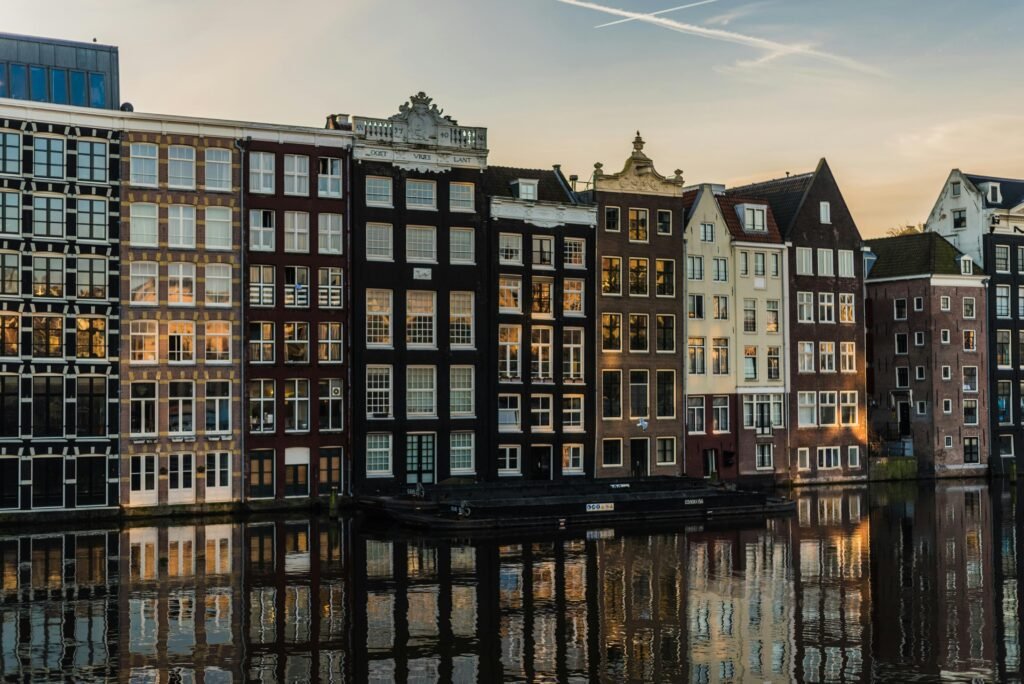
You probably already know the Instagram version of Europe: rooftop cocktails in Paris, infinity pools in Santorini, $300 train passes, and “spontaneous” photos that cost more than your monthly rent.
This itinerary is not that.
“Europe for free“ in 2026 is about something way more interesting: seeing the continent almost for nothing by stacking every trick in the book, points, buses, rideshares, Couchsurfing, free museum days, picnics in parks, instead of swiping your card every two hours.
You’ll still spend some money (you have to eat), but you can cut your costs so low that a 10–14 day Europe trip becomes cheaper than a week off at home.
Below is a realistic, story-driven, and practical guide to doing Europe in 2026 for almost free: when to go, how to get there, the exact route, where to sleep, and how to turn every day into a rich experience without draining your savings.
How To Actually Travel Europe For (Almost) Free In 2026

If you try to literally spend nothing, you’ll burn out or give up. The goal instead is radically low-cost travel.
Here’s what “Europe for (almost) free“ actually looks like in 2026:
- Your flight is covered mostly or fully with points and deals.
- You move around using buses, regional trains, and rideshares instead of pricey high-speed rail.
- You sleep using Couchsurfing, house sitting, or creative swaps, with the occasional hostel night.
- You eat like a local: groceries, markets, street food, and picnics in parks instead of restaurant meals three times a day.
- Your days are built around free experiences: walking routes, viewpoints, neighborhood wanders, free museum days, local events.
When you travel this way, your biggest expense, accommodation, drops to near zero. Your “activities” budget shrinks because you’re not paying for constant tours. And what’s left (food + local transport) is surprisingly small if you’re intentional.
It’s not a luxury vacation. It’s creative travel. You’re trading money for curiosity, patience, and a little bit of hustle. But the payoff is huge: deeper connections, better stories, and a trip that doesn’t follow the same script as everyone else’s.
Smart Planning: When To Go, Where To Start, And How Long To Stay

Your planning choices can be the difference between a trip that bleeds cash and one that feels almost free.
When To Go
For 2026, aim for shoulder seasons:
- April–May
- Late September–October
Why?
- Flights and buses are cheaper.
- Couchsurfing and house-sitting hosts aren’t overwhelmed.
- Crowds are lighter, so you can actually enjoy big sights and parks.
- Weather is mild enough to make walking (your primary activity) a joy, not a punishment.
Where To Start
If your mission is cheap and flexible, skip flying into the most expensive hubs (Zurich, Venice, Copenhagen) and target budget-friendly gateway cities with tons of connections:
- Prague – Reasonable prices, tons of hostels and Couchsurfing hosts, walkable, and well-connected by Flixbus.
- Berlin – Great for buses and trains, lots of green space and free history.
- Alternative western gateways: Dublin, London, Brussels if you find a wild flight deal or use miles there.
How Long To Stay
For this itinerary, plan 10–14 days. That’s long enough to:
- Immerse yourself in 3 main cities.
- Add one nature escape (like Lake Bled in Slovenia or a Croatian beach town).
- Still leave space for slow mornings, remote work sessions, and rest.
If you’re working remotely, you can stretch this same route into 3–4 weeks by simply staying longer in each place and keeping your daily costs ultra-low.
Free (Or Nearly Free) Ways To Get To Europe And Move Around
Getting To Europe: Points, Deals, And Flexibility
To get your transatlantic leg close to free, you’ll lean on:
- Credit card points and miles – A single welcome bonus (60k–80k points) can often cover a round-trip economy ticket from the US to Europe off-peak.
- Fly on off-days – Tuesdays and Wednesdays usually price lower.
- Use fare alert tools (Google Flights, Skyscanner, Going) set to “anywhere in Europe“ from your home airport. Often, the cheapest entry point isn’t where you’ll actually spend your time.
Find the cheapest flight into any major European hub, then connect to Prague/Berlin/Budapest with Ryanair, EasyJet, Wizz Air, or Vueling for $20–$70 if you’re traveling light.
2026 note: By late 2026, most visa-exempt travelers (including US citizens) will need to complete ETIAS pre-screening before entering many European countries. It’s low-cost but mandatory, budget both the fee and the admin time.
Moving Around Europe On The Cheap
Once you’re on the continent, you have options:
- FlixBus – The backbone of your route.
- Often the cheapest option for city-to-city trips.
- You can usually cancel up to 15 minutes before departure for a small fee (around €1), which buys you flexibility.
- BlaBlaCar – Rideshare platform for intercity travel.
- Great in France, Spain, Germany, and parts of Central Europe.
- Often cheaper and cozier than buses, plus you get a built-in local conversation.
- Regional Train Deals – Each country has its own hacks:
- Germany: Bayern Ticket gives you unlimited regional trains in Bavaria for a day at a low fixed cost if you share with friends.
- Belgium: Under-26 travelers can use GoPass-style youth tickets for cheap flat-fare journeys.
- Hitchhiking – Still relatively common in places like Germany, the Balkans, and Slovenia.
- Only consider it if you feel safe, you’re experienced, and you’re comfortable waiting.
Make peace with slower transport. A 7-hour bus that costs €15 and drops you in the city center is often a better deal than a €70 high-speed train that saves two hours.
The 10–14 Day “Europe For Free” 2026 Itinerary
Here’s a practical route that balances culture, nightlife, and nature, all doable on a near-zero budget.
Core version (10 days):
- Days 1–3: Prague – Fairytale streets, free views, cheap eats.
- Days 4–6: Berlin – Street art, history, parks.
- Days 7–10: Budapest – Ruin bars, riverside walks, markets.
Extension (add 3–4 days):
- Slovenia – Base yourself around Ljubljana or Lake Bled for hikes, swimming, and low-cost countryside living.
This route keeps you in Central/Eastern Europe, where your dollars stretch further, while still giving you capital-city energy.
You can also flip the script using the alternative H3 route later (London–Paris–Berlin or Dublin–Brussels–Prague) if your flight deals land you in Western Europe first.
City-By-City Breakdown: Free Experiences You Can Stack Each Day
Think of each city day as a stack of free experiences: a walking route + a park + one viewpoint + one cultural stop. You’ll walk a lot, but that’s half the fun.
Prague
- Old Town to Charles Bridge at sunrise – The bridge is quiet, the Vltava is still, and the city feels cinematic.
- Walk up to Prague Castle area via side streets: you can enjoy the courtyards and views for free if you skip paid interiors.
- Spend afternoons in Letná Park or Riegrovy Sady with a picnic and city views.
Berlin
- Start at the East Side Gallery (free outdoor section of the Berlin Wall covered in murals).
- Wander through Kreuzberg or Neukölln for street art, independent shops, and canal walks.
- Visit Holocaust Memorial and other major historical sites, which are free and powerful.
- Evenings in Mauerpark (especially on Sundays) for buskers and a flea-market vibe.
Budapest
- Walk the Danube Promenade and cross Chain Bridge on foot.
- Climb up to Fisherman’s Bastion at off-peak times, parts of it are free and the views are unreal.
- Skip the most expensive baths and seek out cheaper neighborhood thermal baths or free riverside hangouts.
- Explore ruin bar districts early in the evening: even if you don’t drink much, the architecture and atmosphere are worth it.
Slovenia (Extension)
- Lake Bled: Walk the loop around the lake (free), then add a short hike up to Mala Osojnica viewpoint.
- Ljubljana: Stroll the riverfront, street art at Metelkova, and sunset from the castle hill paths.
Sleeping, Eating, And Working For Almost Nothing
This is where your budget either survives or implodes.
Sleeping Almost For Free
- Couchsurfing – Still one of the most powerful tools for free accommodation and real connection.
- Make your profile thoughtful.
- Send personalized requests explaining why you chose that host and how you’ll respect their space.
- House sitting – Platforms like TrustedHousesitters or Nomador let you watch pets and homes while the owners travel.
- Works best if you have some flexibility and good reviews.
- Creative swaps – If you have an apartment in a desirable US city, consider home exchange groups or short-term swaps.
When none of that lines up, fall back on hostel dorms for a night or two and average it out over your whole trip.
Eating Well On A Tiny Budget
- Hit local markets for bread, cheese, fruit, and snacks.
- Use communal hostel kitchens or your host’s kitchen (if invited) to cook simple, local dishes.
- Turn lunches into picnics in parks instead of sit-down restaurant meals.
- When you do eat out, aim for street food, neighborhood bakeries, and lunch specials instead of tourist-zone dinners.
Working On The Road
If you’re a remote worker, you don’t need coworking passes every day.
- Public libraries in cities like Berlin and Prague often have quiet areas and free Wi-Fi.
- Many cafés are used to laptops as long as you order something every couple of hours.
- Build a loose rhythm: sightsee in the mornings, work in the late afternoon, wander at sunset.
Before you go, double-check digital nomad visa options or Schengen stay limits if you plan to stay beyond 90 days or return multiple times in a year.