

Thinking about an Africa holiday? Here’s how to plan a trip that mixes safari, cities, beaches, and slow travel, without feeling overwhelmed.
You probably know the cliché version of “Africa holidays”: a Land Cruiser, a lion at sunset, and a lodge that costs more than your rent.
The real story is way better, and a lot more flexible.
You can be drinking Kenyan coffee in Nairobi on Monday, tracking lions in the Maasai Mara on Wednesday, and working remotely from a breezy beach café in Zanzibar by Friday. Or spend a week wandering Marrakech’s souks, then disappear into the Sahara under a sky that looks like it was photoshopped.
This guide is for you if you want your first (or next) Africa trip to be more than a bucket-list safari. You’ll get a clear overview of where to go, when to go, how to keep it safe and affordable, and how to travel in a way that actually feels good, for you and for the places you visit.
Why Africa Belongs On Your Travel Radar Right Now
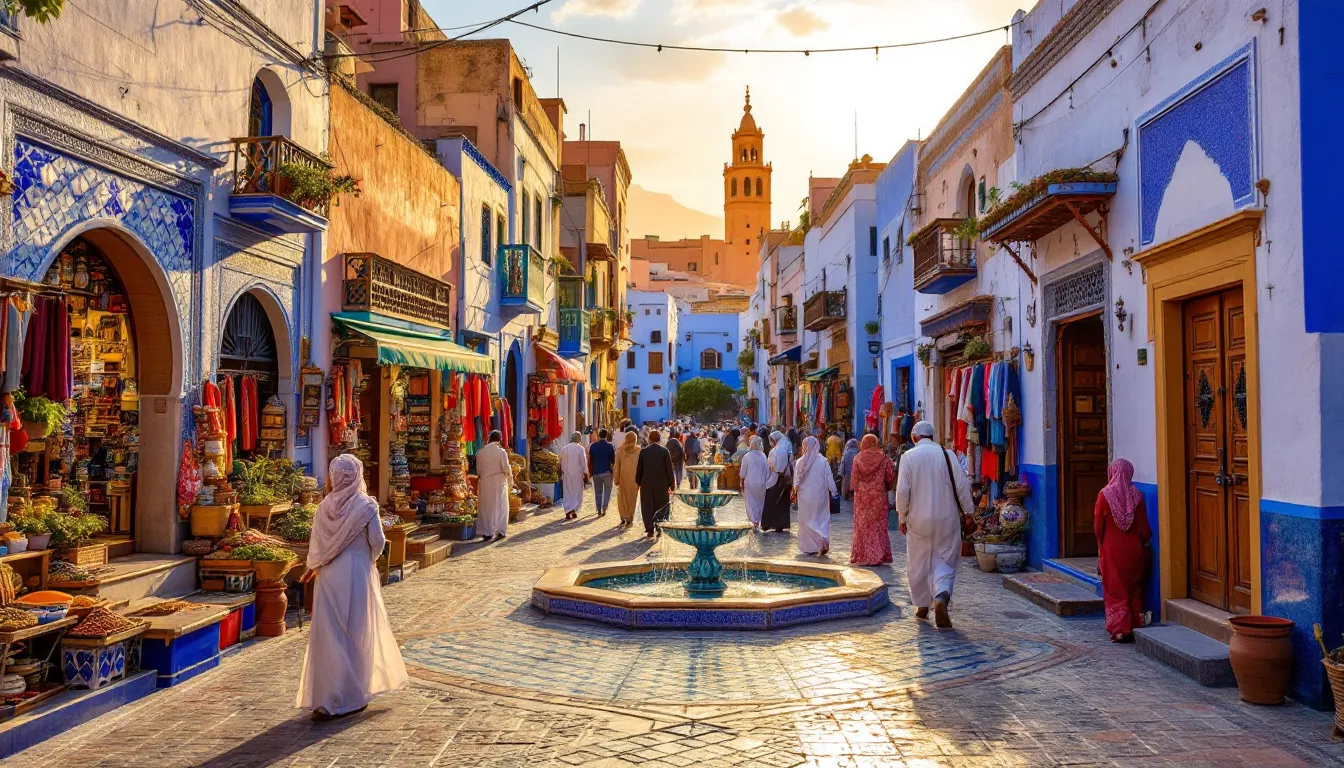
If you’re craving a trip that actually shakes up your routine, not just a change of scenery, Africa belongs near the top of your list.
Here’s why it’s especially compelling right now:
- Range of experiences in one trip. In a single holiday you can combine wildlife, city culture, food, and beaches. Think: Cape Town + Winelands + safari: or Nairobi + Maasai Mara + Lamu.
- Improving infrastructure and safety. Major hubs like Cape Town, Nairobi, Marrakech, and Accra are increasingly set up for international travelers: better roads, safer airports, solid Wi‑Fi pockets, and a growing remote-work culture.
- Genuine cultural connection. If you’re burnt out on destinations that feel like Instagram sets, Africa is a breath of fresh air. Local markets, neighborhood eateries, and community-run tours still feel real, not staged.
- Wild spaces that still feel wild. From the Okavango Delta to the Namib Desert to Uganda’s rainforests, Africa’s landscapes can make you feel small in the best possible way.
Africa holidays don’t have to be luxury-only, either. You can do a mix: a few splurge nights on safari, then affordable guesthouses, local buses, and street food the rest of the time. It’s one of the few regions where you can still have that sense of discovery, without needing a trust fund.
Quick Overview: Where To Go In Africa For Different Travel Styles
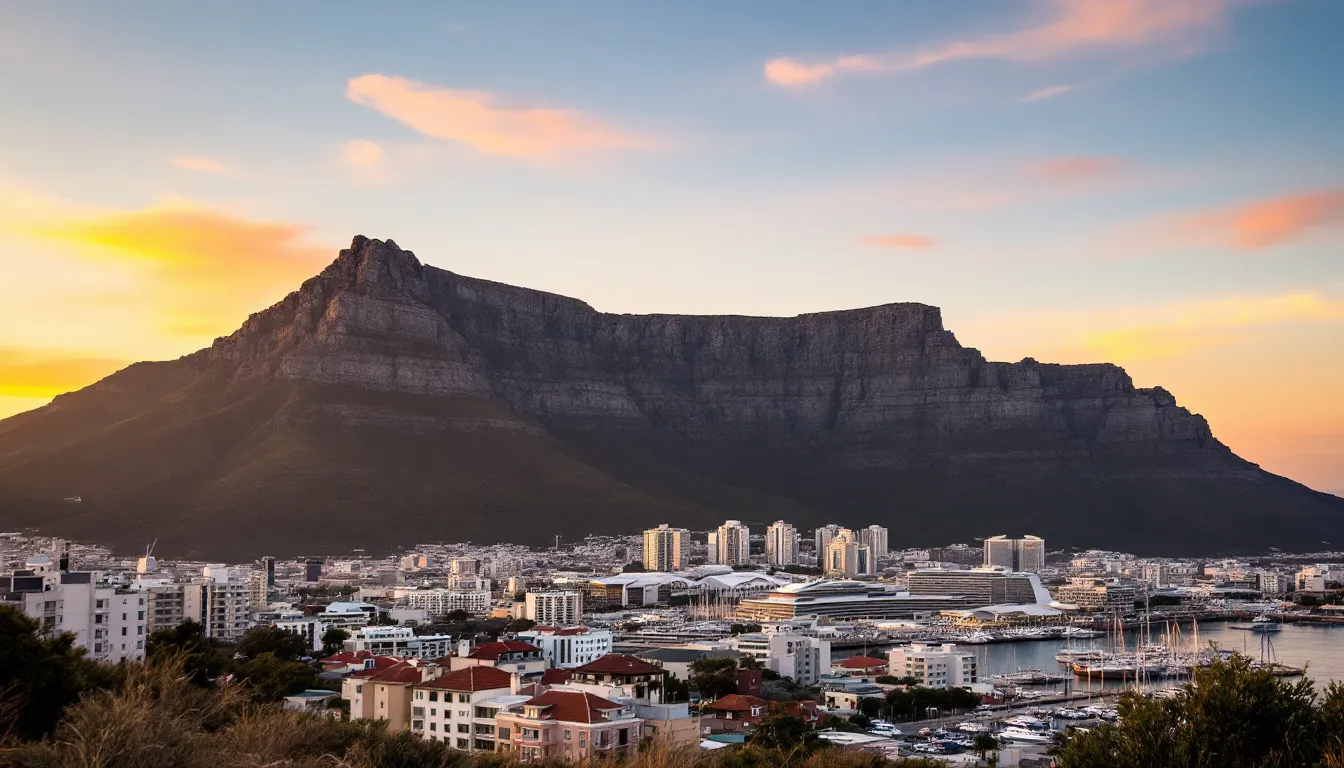
Before you go deep into planning, it helps to map your vibe. Ask yourself: What’s the main feeling I want from this trip? Here are some quick pairings to spark ideas:
- For classic wildlife and big skies: Kenya’s Maasai Mara, Tanzania’s Serengeti and Ngorongoro Crater, Botswana’s Okavango Delta, Namibia’s Etosha.
- For beaches and island time: Zanzibar (Tanzania), Mauritius, Seychelles, Kenya’s Lamu archipelago, and even quieter spots on Ghana’s and Senegal’s coasts.
- For culture and city energy: Cape Town (South Africa) for wine, food, and coastline: Marrakech (Morocco) for souks and riads: Nairobi (Kenya) for creative scenes and cafes: Accra (Ghana) for music and history.
- For hiking and adventure: Kilimanjaro (Tanzania), the Atlas Mountains (Morocco), Sossusvlei and the Namib Desert (Namibia), gorilla trekking in Uganda or Rwanda, white-water or falls in Zambia/Zimbabwe.
- For slower, remote-work friendly escapes: Cape Town, Nairobi, parts of Zanzibar, Mauritius, and certain eco-lodges in Namibia or along the Garden Route in South Africa.
Use this as your menu: most people plan Africa holidays as 2–3 regions in one country, or a simple 2-country combo (for example, Kenya + Zanzibar or South Africa + Namibia).
When To Travel: Seasons, Weather, And Crowds
Africa is huge, so there’s no single “best time,“ but there are patterns that can help you time your trip.
For safaris (Kenya, Tanzania, South Africa, Botswana, Namibia):
- Dry season, roughly June to October is ideal for wildlife. Fewer water sources mean animals gather around rivers and waterholes, and vegetation is lower, so spotting is easier.
- August–September are prime months for the Great Migration in Kenya’s Maasai Mara. Expect higher prices and more vehicles.
- Shoulder months (May–June, October–early November) often give you good sightings with fewer crowds and slightly lower rates.
For gorilla trekking (Uganda, Rwanda):
- Generally good from January–March and June–September. Trails are less muddy in the drier months, but it’s rainforest, you’ll still get some rain. Permits are limited: book months ahead.
For beach and islands (Zanzibar, Seychelles, Mauritius):
- Zanzibar: June–October is cooler and drier: December–February is warmer and also popular.
- Seychelles & Mauritius: year-round, but May–October tends to be less humid and better for outdoor activities.
For North Africa (Morocco, Egypt):
- March–May and September–November are sweet spots: warm but not scorching.
- Summers can be intense, especially in the desert and in southern Morocco.
If you’re trying to keep costs down, consider traveling in the shoulder season, late April, May, early June, or October. Flights are often cheaper, and many lodges run lower rates while wildlife viewing is still strong.
Top Types Of Africa Holidays For Modern Travelers
You don’t have to fit into just one box here, but knowing your main focus helps anchor your route and budget.
Safari And Wildlife Holidays
This is the image most people have: sunrise game drives, coffee in hand, watching elephants wander through the golden grass.
You’ll find world-famous options in:
- Kenya & Tanzania: Maasai Mara, Serengeti, Ngorongoro Crater – great for first-timers.
- Rwanda & Uganda: Gorilla and chimp tracking, plus underrated savanna parks.
- Namibia & Botswana: Stark, cinematic landscapes and fewer crowds.
Safari costs vary wildly. You can join group camping safaris from around $150–250 per day, go mid-range lodge-based from $300–600/day, or splash out on luxury options above that. A smart strategy: 3–4 nights on safari, not 10, then spend the rest of your trip in more affordable regions.
Beach And Island Escapes
If you want tropical downtime after dusty game drives, Africa’s coasts deliver.
- Zanzibar: White-sand beaches, Swahili culture, and excellent diving/snorkeling.
- Mauritius & Seychelles: Great for couples or solo travelers who want a safe, polished island base with hiking, beaches, and good infrastructure.
- Kenya’s Lamu: Think car-free alleyways, dhows at sunset, and a slower, bohemian feel.
You can keep this budget-friendly with guesthouses, local ferries, and street food, or go full-on boutique with ocean-view villas.
Culture, Food, And City Breaks
Africa’s cities aren’t just stopovers, they’re part of the experience.
- Cape Town: Hike Table Mountain in the morning, sip local wine by afternoon, and eat at creative, chef-led spots at night.
- Marrakech: Labyrinthine medina streets, rooftop riads, and markets where you’ll actually want to shop.
- Nairobi: Cafés, co-working spaces, nightlife, and easy access to nearby national parks and cultural sites.
If you’re into food, design, and local stories, build in at least 3–4 nights in your arrival city instead of rushing out to the “main event.“
Adventure, Hiking, And Nature Retreats
For you, rest looks like movement.
- Kilimanjaro (Tanzania) or Mount Kenya: multi-day treks with serious bragging rights.
- Atlas Mountains (Morocco): day hikes or overnight village stays a short drive from Marrakech.
- Namib Desert & Sossusvlei (Namibia): otherworldly dunes, hot-air balloons, stargazing.
- Murchison Falls or Rwenzori Mountains (Uganda): waterfalls, trekking, and lush scenery.
These trips can be paired beautifully with a few days in a city or by the sea for recovery time.
Slow Travel And Remote-Work Friendly Spots
If you travel with your laptop, you’re not alone. Africa holidays can absolutely double as work trips.
- Cape Town: solid Wi‑Fi, coworking spaces, diverse neighborhoods, and easy weekend escapes.
- Nairobi: growing digital nomad scene, great coffee shops, English widely spoken.
- Zanzibar & Mauritius: certain areas have stable internet, relaxed beach life, and an emerging remote-work crowd.
- Namibia: less about Wi‑Fi, more about digital detox in remote eco-lodges if you want to unplug.
Plan your work blocks around early-morning safaris or late-afternoon hikes, and you’ll come home more energized than drained.
Regional Highlights: Best Places To Start In Africa
East Africa: Kenya, Tanzania, Rwanda, And Uganda
If you imagine savannas, acacia trees, and big cats, you’re picturing East Africa.
- Kenya: Combine Nairobi’s creative scene, Maasai Mara safaris, and maybe Lamu or the coast.
- Tanzania: Serengeti and Ngorongoro for wildlife, Zanzibar for beaches, Kilimanjaro if you want a big trek.
- Rwanda & Uganda: Gorilla trekking in Volcanoes National Park or Bwindi, plus lakes and quieter parks with fewer vehicles.
East Africa is a great starter region if you want classic safari + culture + coast in one itinerary.
Southern Africa: South Africa, Namibia, Botswana, And Zimbabwe
Southern Africa is all about contrast: cities, deserts, wetlands, and wine.
- South Africa: Cape Town, the Garden Route, Winelands, and Kruger or private reserves for safari.
- Namibia: Wind-sculpted dunes, shipwrecked coasts, and vast, empty horizons.
- Botswana: The Okavango Delta and Chobe – pristine ecosystems with a more exclusive, small-camp feel.
- Zimbabwe/Zambia: Victoria Falls, plus excellent, often underrated parks like Hwange.
If you like the idea of self-driving, varied landscapes, and strong value for money, this region is a solid choice.
North Africa: Morocco And Egypt
North Africa has its own rhythm, part Middle Eastern, part Mediterranean, fully itself.
- Morocco: Marrakech, Fes, Chefchaouen, Sahara desert camps, and the Atlas Mountains.
- Egypt: Cairo, the pyramids, Luxor and Aswan, Nile cruises, plus Red Sea diving.
These are great if you’re intrigued by history, architecture, and markets, maybe with a shorter flight from the US East Coast compared to deeper Sub-Saharan routes.
West Africa And The Islands: Ghana, Senegal, Zanzibar, Mauritius
West Africa is vibrant, musical, and often less touristed by North Americans.
- Ghana: Accra’s art and nightlife, Cape Coast’s history, and laid-back beaches.
- Senegal: Dakar’s culture, music, and nearby islands.
- Zanzibar: Technically part of Tanzania but often planned as its own beach-and-culture destination.
- Mauritius: A lush, easygoing base with great swimming, hiking, and multi-cultural food.
If you’re drawn to festivals, music, and living culture as much as landscapes, this region will stick with you.
Budget, Safety, And Logistics For Your First Africa Holiday
Africa holidays can be surprisingly accessible, or eye-wateringly expensive, depending on how you structure them. A bit of planning goes a long way.
Flight Strategies And Sample Trip Budgets
From US hubs like New York, Atlanta, or Chicago, you’ll often connect via Europe (Amsterdam, London, Paris) or the Middle East (Doha, Dubai, Abu Dhabi).
Tips for cheaper flights:
- Be flexible by a few days and compare flying into big hubs like Johannesburg, Cape Town, Nairobi, or Cairo.
- Consider open-jaw tickets (e.g., fly into Nairobi, out of Zanzibar or Johannesburg).
- Use flight alerts and track prices 2–4 months out for low and shoulder seasons.
Very rough sample budgets (per person, excluding flights):
- Shoestring (10–12 days): $1,200–$1,800
- Mix of hostels, budget guesthouses, a group camping safari, public transport, street food.
- Comfort/mid-range (10–12 days): $2,000–$3,500
- Mid-range lodges, a 3–4 night safari, some guided day trips, local flights.
- Upgrade moments (10–12 days): $3,500–$6,000+
- Higher-end safari camp for a few nights, boutique hotels, private guides here and there.
You can also stretch your budget by traveling a bit longer but spending more time in affordable areas (cities, beaches, small towns) and less time in high-cost safari zones.
Visas, Health, And Travel Insurance Basics
- Visas: Requirements vary by passport and country. Many African nations offer e-visas or visas on arrival, but always check the official government site before you book.
- Vaccinations: Yellow fever, typhoid, hepatitis A/B, and routine shots may be recommended depending on your route. Some countries require proof of yellow fever vaccination if you’re arriving from another country where it’s present.
- Malaria: Parts of East and Southern Africa are malarial. Talk to a travel clinic about prophylaxis, and pack repellent and long sleeves for evenings.
- Insurance: Don’t skip it here. Look for policies that cover medical evacuation, cancellations, and adventure activities (like trekking or diving) if that’s on your list.
On-The-Ground Safety, Transport, And Connectivity
Most of the safety advice is similar to any big trip:
- Stick to reputable local guides and recommended tour operators, especially for safaris, treks, or night travel.
- Use registered taxis, ride-shares, or hotel-arranged transfers in cities at night.
- Keep valuables subtle, use a money belt or neck pouch if it helps you relax, and avoid flashing tech in busy markets.
- In many urban areas, Wi‑Fi is solid in hotels, cafés, and coworking spaces: rural areas and parks can be patchy. Buying a local SIM is usually cheap and worth it.
Remember: millions of people travel safely in Africa every year. Listen to local advice, trust your instincts, and you’ll likely feel more comfortable than you expect after the first couple of days.
Travel More Honestly: Culture, Ethics, And Sustainability In Africa
How you show up matters, maybe even more here, where tourism can directly impact wildlife, communities, and fragile ecosystems.
Respectful Photography, Tipping, And Bargaining
- Ask before photographing people. A simple smile and gesture toward your camera goes a long way. Some communities prefer no photos or may ask for a small fee, respect that.
- Be mindful with wildlife shots. Don’t ask guides to get too close or crowd animals for a better angle. A slightly zoomed-out photo is worth knowing you didn’t stress a leopard.
- Tipping: Guides, drivers, porters, and staff often rely on tips. Ask your lodge or tour company for suggested ranges so you can budget ahead.
- Bargaining: Haggling in markets can be part of the culture, but it’s not a sport. Start lower but stay friendly, and remember that the extra few dollars usually matter more to the seller than to you.
Choosing Local Tours, Stays, And Experiences
One of the easiest ways to travel sustainably is to pay attention to where your money goes.
Look for:
- Locally owned guesthouses, riads, and eco-lodges over big anonymous chains when you can.
- Community-led experiences, village visits, cooking classes, walking tours, where hosts clearly explain how the fees support local people.
- Private conservancies and ethical safari operators that limit vehicle numbers, support anti-poaching efforts, and share transparent conservation initiatives.
Ask questions. A responsible operator won’t mind explaining how they treat staff, manage waste, or interact with wildlife. If something feels off, elephant rides, drugged animals for photos, walk away.
Traveling this way doesn’t make you perfect, but it does mean your Africa holiday supports the places that are making the region so special in the first place.