
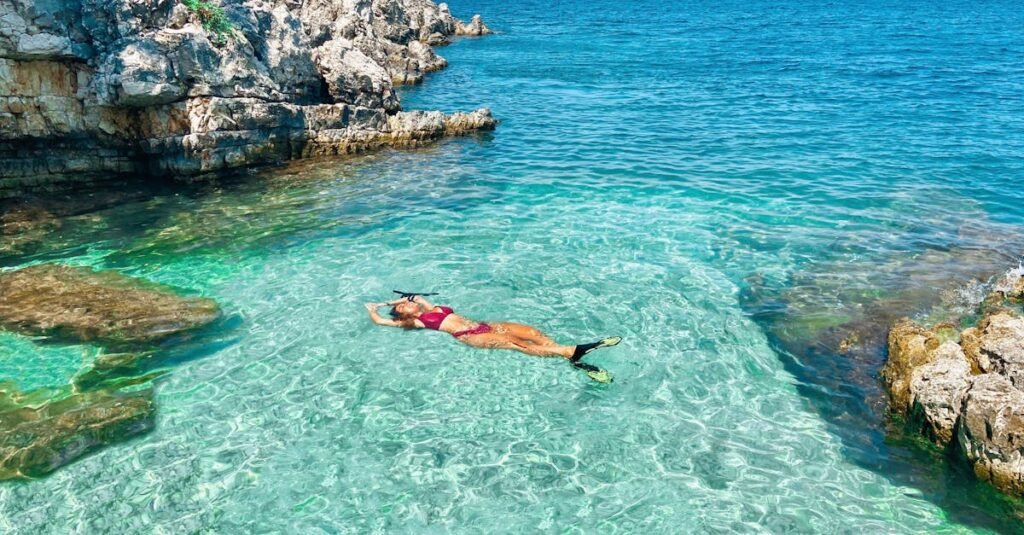
The first time you slip into Greek water, it feels like stepping into liquid glass. Sunlight scatters across white rocks, schools of silver bream flash like confetti, and a curious octopus peeks from a crack just long enough to make you grin into your snorkel.
If you’re searching for the best beaches for snorkeling in Greece, you’re in the right place. This guide blends the romance of cove-hopping with practical, on-the-ground detail, so you know exactly where to go, what to pack, and how to time it for calm seas and maximum visibility.
Why Greece Is a Snorkeler’s Dream
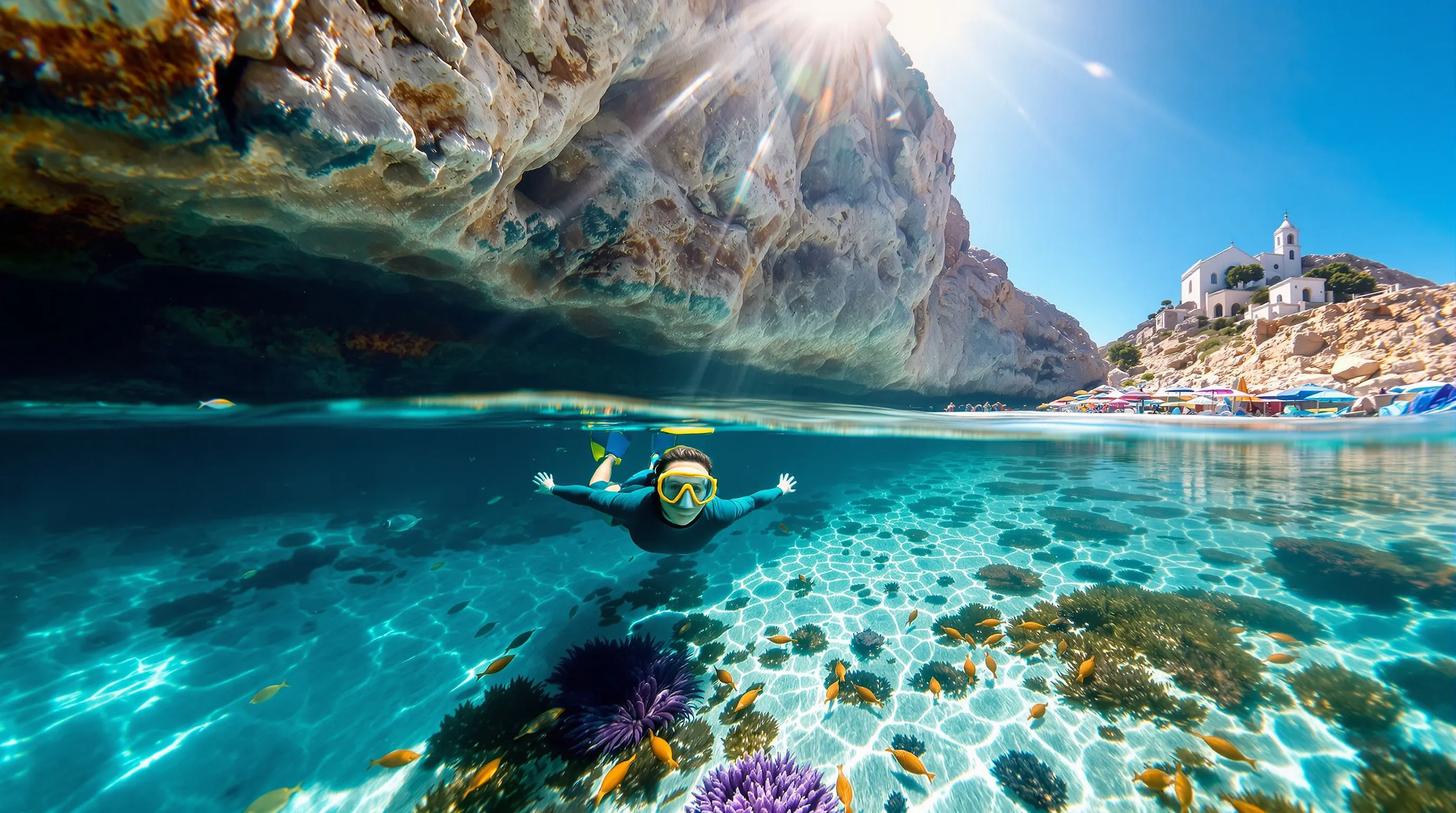
You come to Greece for the clarity. The Mediterranean here is famously plankton‑poor in summer, which translates to 65–100 feet (20–30 m) of visibility on good days. Rocky coastlines, sea caves, and Posidonia seagrass meadows create habitats where wrasse, damselfish, bream, and blennies thrive. You won’t get tropical coral gardens, but you will get intricate textures, honeycombed limestone, purple sponges, starfish tucked under ledges, and the occasional thrill of an octopus unfurling from its den.
What seals the deal is access. From island ferries to small-boat tours, it’s easy to reach secluded coves without needing scuba gear or a guide. Many of Greece’s best snorkeling spots sit right off public beaches, so you can swim out from shore, follow the rock line, and be in the action within minutes.
When to Go and What Conditions to Expect
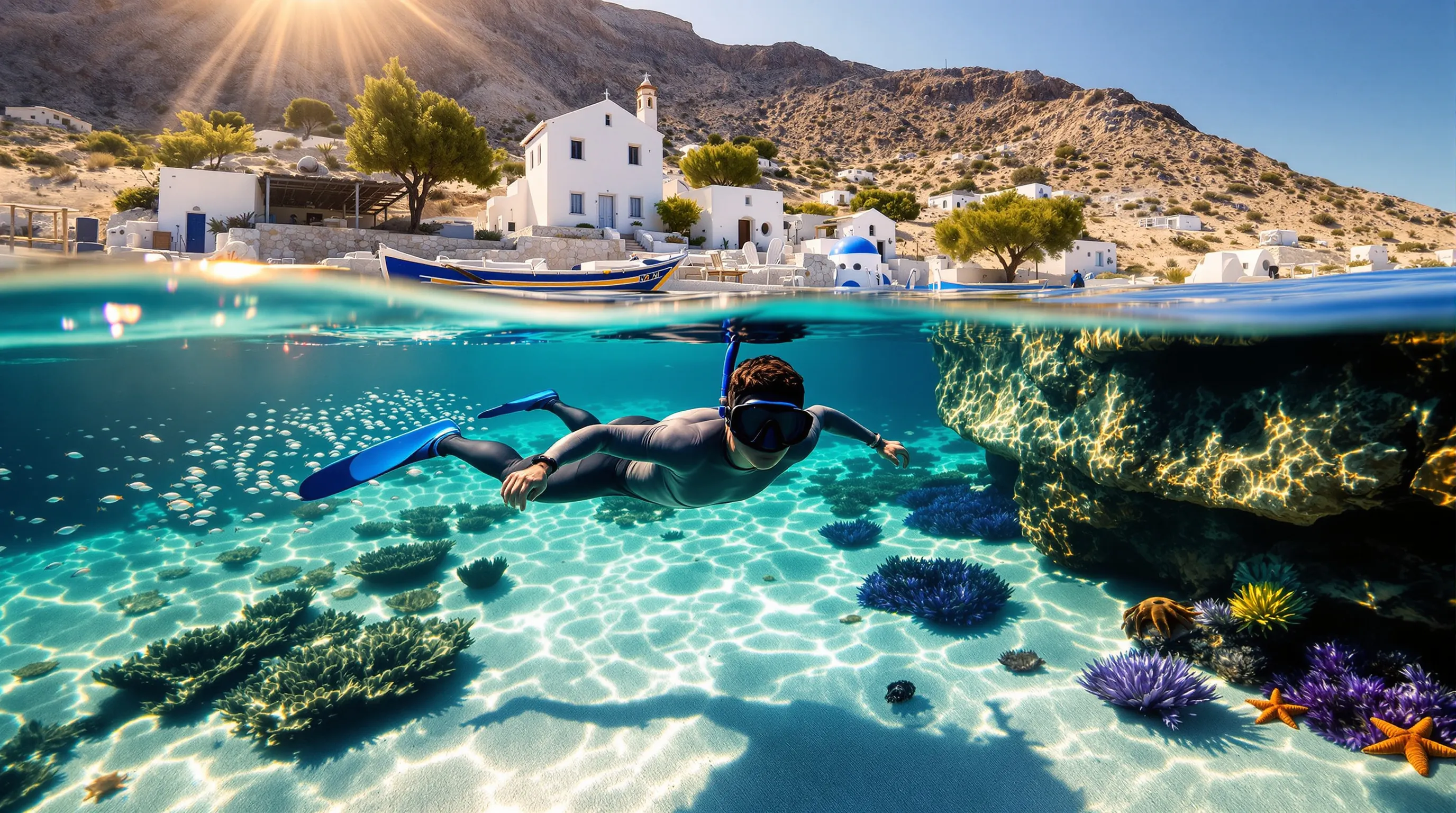
- Best season: Late May through October. Peak warmth and calm seas typically land July–September.
- Water temperatures: Around 68–81°F (20–27°C) in summer. You can go without a wetsuit, though a 2–3 mm shorty adds comfort on longer swims.
- Visibility: Often 65–100 ft (20–30 m). After windy days or heavy boat traffic, it can drop a bit, give the water a morning to settle.
- Wind watch: On Aegean islands, the meltemi can kick up strong north winds, especially July–August. Mornings are calmer. If the north coast is choppy, try a south-facing cove.
- Marine life expectations: Think Mediterranean, small schooling fish, octopus, sea urchins, starfish, sponges, and seagrass meadows. It’s about texture and light rather than blockbuster species.
Gear, Safety, and Responsible Snorkeling
- Essentials: Mask, snorkel, and fins. A low-volume mask fits closer to your face and clears easier. Bring a bright rash guard for sun protection plus reef‑safe sunscreen (zinc-based) to help protect marine life.
- Optional: Shorty wetsuit (2–3 mm), booties for rocky entries, and a snorkel vest or inflatable signal buoy if you’re covering distance.
- Safety: Avoid boat lanes and hug the rocky edges where life congregates. Skip cliff jumps near caves (loose rock and boat traffic). If wind picks up, exit before chop builds.
- Respect: Don’t touch or collect anything. Avoid stepping on seagrass beds: enter from sandy pockets. Watch for sea urchins, shoes help. And yes, the octopus is adorable: no, it doesn’t want a selfie cuddle.
- Packing tip: If you’re island-hopping, a compact mesh gear bag dries fast and keeps sand out of your daypack.
Top Snorkeling Beaches and Coves by Region
Ionian Islands: Porto Limnionas and Keri Caves (Zakynthos), Foki Beach (Kefalonia), Paleokastritsa (Corfu)
- Porto Limnionas, Zakynthos: A narrow, rocky inlet where the water goes neon-clear by mid-morning. Enter via ladders or flat rocks and trace either wall, ledges hold wrasse, bream, and shy moray eels. Early or late afternoon is best to dodge boat wakes. Bring booties: entries can be slick. Sunbeds and a taverna sit above the cove.
- Keri Caves, Zakynthos: Boat-only sea caves and arches carved into dramatic cliffs. Most trips pair the caves with turtle-spotting near Laganas Bay. Snorkel the cave mouths (not deep inside) for electric-blue light and schooling fish. Go in the morning before winds rise: tours often run €30–€45 per person.
- Foki Beach, Kefalonia: A pine-shaded pebble cove near Fiskardo. The left and right sides are shallow with seagrass and rock, ideal for a relaxed drift. Calm even on breezy days, making it great for beginners. Bring snacks: facilities are minimal.
- Paleokastritsa, Corfu: A cluster of emerald coves backed by cliffs and monasteries. Rent a small boat or swim along the headlands: you’ll find caves, boulders, and lively fish crowds. Visibility is excellent in the morning. Kayak and boat rentals are common: budget €15–€30 for a few hours.
Cyclades: Kleftiko (Milos), Kolymbithres (Paros), Agios Prokopios Headlands (Naxos)
- Kleftiko, Milos: The Cyclades’ knockout snorkel, accessible only by boat. White volcanic cliffs, arches, and caves over impossibly clear water. Snorkel guides usually anchor in sheltered coves where you can weave through arches and peer into underwater cathedrals. Expect €50–€80 for a half-day with snacks.
- Kolymbithres, Paros: Sculpted granite creates a maze of small pools and channels. Stick to the rocky sides for damselfish and blennies. Great for mixed groups, non-snorkelers can lounge in sandy pockets while you explore.
- Agios Prokopios headlands, Naxos: The bay is sandy, but both ends hide rocky micro-reefs. Easy entries, gentle slope, and clear water make it a family-friendly spot. Aim for mornings before wind chop.
Dodecanese: Anthony Quinn Bay (Rhodes), St. George Bay (Symi), Apella Beach (Karpathos)
- Anthony Quinn Bay, Rhodes: A tight, rocky amphitheater with startlingly clear water. Swim the perimeter for colorful wrasse, urchins (watch your footing), and plenty of fish. Parking fills by 10 a.m.: arrive early or late afternoon for calmer vibes.
- St. George Bay, Symi: Soaring cliffs, deep-blue water, and boat-only access keep this bay serene. Snorkel along the cliff base for dramatic drop-offs and shoals of small fish. Tours often combine a beach barbecue, expect €30–€50.
- Apella Beach, Karpathos: Pine-backed pebbles with classic Greek-blue water. The rocky sides hold the action: look for octopus dens under stones and seagrass patches across the middle. Bring water shoes and cash for the beach cantina.
Crete: Elafonissi Lagoon, Balos, and Glyka Nera
- Elafonissi Lagoon: Shallow, sheltered, and perfect for slow, meandering snorkels across seagrass and rock. Visibility is best in the morning before crowds. Facilities are seasonal: parking can be tight by midday.
- Balos Lagoon: Famous for its pastel blues and sandbar views. The lagoon is shallow, but hug the rocky edges toward the outer rim for more fish life. Reaching Balos involves a rough road plus a short hike, or boat tours from Kissamos.
- Glyka Nera (Sweetwater Beach): Backed by steep cliffs with freshwater springs trickling into the sea. The water is gin-clear and deep close to shore: snorkel the flanks where boulders stack into the blue. Arrive by boat taxi from Sfakia or via a scenic coastal hike.
Sporades and Marine Parks: Alonissos National Marine Park and Skopelos Coves
- Alonissos National Marine Park: Protected waters mean healthier fish populations and top-tier visibility. Join a small-boat trip to reach underwater cliffs and caves: on lucky days, distant monk seal sightings happen (from a respectful distance). Bring your own gear for the best fit.
- Skopelos Coves: Think pocket coves, green hills, and glassy water. Follow the rock lines from beaches like Panormos or Stafylos: you’ll find seagrass meadows and small reefs teeming with life. Great combo with a chilled taverna lunch.
Mainland Gems: Halkidiki‘s Kavourotrypes, Mani’s Limeni, and Elafonisos‘ Simos Beach
- Kavourotrypes, Halkidiki: A string of sandy mini-coves split by pale granite. The water glows turquoise, and the rocky fingers are made for snorkeling. Get there early: coves are small and popular.
- Limeni, Mani (Peloponnese): Stone houses meet luminous, deep water. Enter from the small pebble sections and kick along the walls, excellent clarity and fish density. Pair with a seaside taverna meal: sunset here is cinematic.
- Simos Beach, Elafonisos: Twin bays linked by a sandbar with ridiculous visibility. Snorkel the rocky sides and over seagrass meadows where juvenile fish hide. On calm days it’s like floating in air. Limited shade, bring an umbrella if you’re lingering.
Practical Planning: Getting Around, Costs, and Beach Access
- Getting around: Ferries connect the islands efficiently: book in advance in July–August. For flexibility, rent a car or scooter (automatic scooters are common on smaller islands). To reach caves and remote coves, Kleftiko, Keri Caves, St. George Bay, budget for a half-day boat tour.
- Costs: Beach access is usually free. Sunbeds/umbrellas run €10–€30 for two, depending on location and season. Snorkel sets are widely sold (€20–€60) or rentable by the day. Small-boat rentals start around €60–€120 for a few hours (fuel extra).
- Access notes: Many rocky coves require short hikes or steps. Wear grippy sandals and bring a soft dry bag for valuables. Check wind forecasts (look for “meltemi“ or northerlies) and aim for morning swims.
- Timing: For clearer water and quieter scenes, snorkel 9–11 a.m. or late afternoon. Midday light is harsh on photos: early and late give that soft Mediterranean glow.
- Food & water: Tavernas cluster near popular spots, but remote coves may have nothing, pack water, fruit, and a bakery pie (spanakopita never fails).
Conclusion
Greece rewards unhurried explorers. Bring a mask, follow the rocks, and let the sea set your pace. Whether you’re floating under the arches of Kleftiko, tracing the pine-shadowed edge of Foki, or drifting over Balos‘ turquoise shelves, the magic is in the details, the flick of a tail, the ripple of seagrass, the shock of seeing straight to the bottom.
Travel Tips (quick hits):
- Base yourself near two or three coves and go early for glassy water.
- Pack reef‑safe sunscreen, booties, and a mesh gear bag.
- If the wind’s up, switch coasts rather than forcing it.
- Hug the rocks: that’s where the life is.
- Boat-only icons (Kleftiko, Keri Caves) are worth the splurge, book a morning slot.
If you came for the best beaches for snorkeling in Greece, you’ll leave with something extra: a slower rhythm you’ll try to bring home, and a new habit of peering into every cove you pass, just in case an octopus is watching you back.