
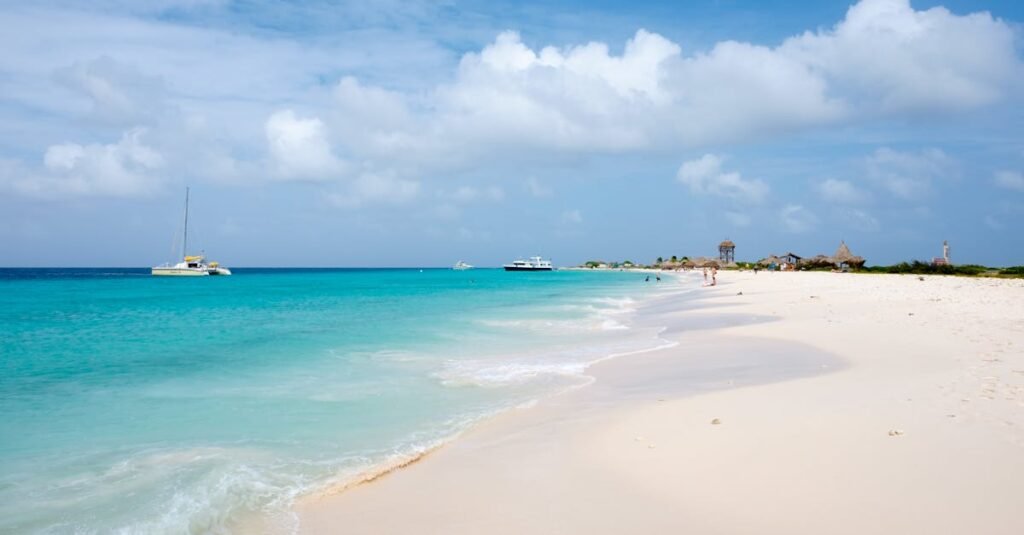
There’s a very specific moment when Mexico hooks us.
Sometimes it’s that first plunge into a jade-green cenote outside Tulum, cool water wrapping around our skin as jungle noises echo above. Other times it’s standing in a Mexico City street at midnight, watching a taquero flip al pastor under orange lights while friends, Black, Asian, white, brown, spill out of bars and into the avenue.
Mexico isn’t just one destination: it’s a whole mood board of lives we could live for a week, a month, or longer. The trick is choosing the version that fits who we are right now: beach loungers, culture nerds, surf chasers, or remote workers chasing good Wi-Fi and better tacos.
In this guide, we’ll walk through the best Mexico vacation destinations and help you match them to your travel style, budget, and timeline, with the kind of specific advice we wish we’d had before our first trip down.
How To Choose Your Ideal Mexico Vacation Destination

Clarify Your Travel Style: Beach, City, Nature, Or Mix
Before we open Google Flights, we ask ourselves three questions:
- Do we want to leave relaxed, inspired, or both?
- Relaxed: Think Cancún’s Hotel Zone or a quiet bay in Huatulco.
- Inspired: Mexico City, Oaxaca City, or San Cristóbal de las Casas.
- Both: Puerto Vallarta, Sayulita, or La Paz, places with nature and culture.
- How social do we want this trip to be?
- High-energy, nightlife, and meeting other travelers: Cancún, Playa del Carmen, Puerto Vallarta, Sayulita, Guadalajara.
- Slower, more reflective: Bacalar, San Cristóbal, Todos Santos, Loreto.
- What’s our ideal daily rhythm?
- Late nights, brunches, galleries: Mexico City, Guadalajara.
- Sunrise swims, early dinners, stargazing: Baja California Sur, Oaxaca Coast.
- Laptop mornings, beach afternoons: Playa del Carmen, Puerto Vallarta, Puerto Escondido.
If we’re traveling with friends or partners (picture a group that actually looks like our real lives, Black, Asian, white, mixed-race, queer, straight), we’ll literally go around and ask everyone which of these they’re craving. Patterns show up fast and point us toward the right corner of Mexico.
Timing, Seasons, And Budget Considerations
Mexico can work year-round, but when we go changes everything.
- High season (roughly December–April):
- Best weather across many Mexico vacation destinations, dry, sunny, not too humid.
- Whale migrations along Baja California Sur, Loreto, and parts of Riviera Maya.
- Prices climb in Cancún, Los Cabos, and popular beach towns. Expect resorts from $200–$600+ per night in peak weeks.
- Shoulder season (late April–June, October–early December):
- Our favorite sweet spot: fewer crowds, lower prices, still solid weather.
- Great for Riviera Maya, Puerto Vallarta, and Oaxaca City.
- We often find nice boutique hotels in this window for $90–$180 per night.
- Rainy/hurricane-influenced months (roughly July–September):
- Caribbean side (Cancún, Tulum, Bacalar) gets rain and humidity: storms are possible.
- Pacific and central cities can still be great, with lush landscapes and value pricing.
Factor in big events too. With the 2026 World Cup coming, places like Cancún and Guadalajara will see surges in demand around match times, book well ahead or steer to less obvious spots.
Remote Work Readiness: Wi-Fi, Cafés, And Coworking
If we’re planning to open a laptop between mezcal tastings and sunset swims, we prioritize:
- Stable Wi-Fi (15–50 Mbps+ ideally)
- Puerto Vallarta and Riviera Nayarit (incl. Sayulita) already have a digital-nomad scene and decent speeds.
- Playa del Carmen is a long-time remote-work hub with coworking spaces and laptop-friendly cafés.
- Mexico City, Guadalajara, Oaxaca City offer strong urban infrastructure and plenty of cafés with plugs.
- Cafés and coworking
- Playa, Puerto Vallarta, and CDMX (Mexico City) all have coworks where we can pay by day (~$10–$20 USD) or week.
- In smaller towns like San Cristóbal or Todos Santos, we tend to rely on a few well-loved cafés and solid Airbnb Wi-Fi.
- Daily rhythm
We like to work mornings while it’s cooler, then hit the beach or markets in the afternoon. A place like Puerto Escondido is perfect for this: sunrise surf or walk, deep-focus work block, sunset on the sand.
Iconic Beach Destinations: Riviera Maya And Beyond
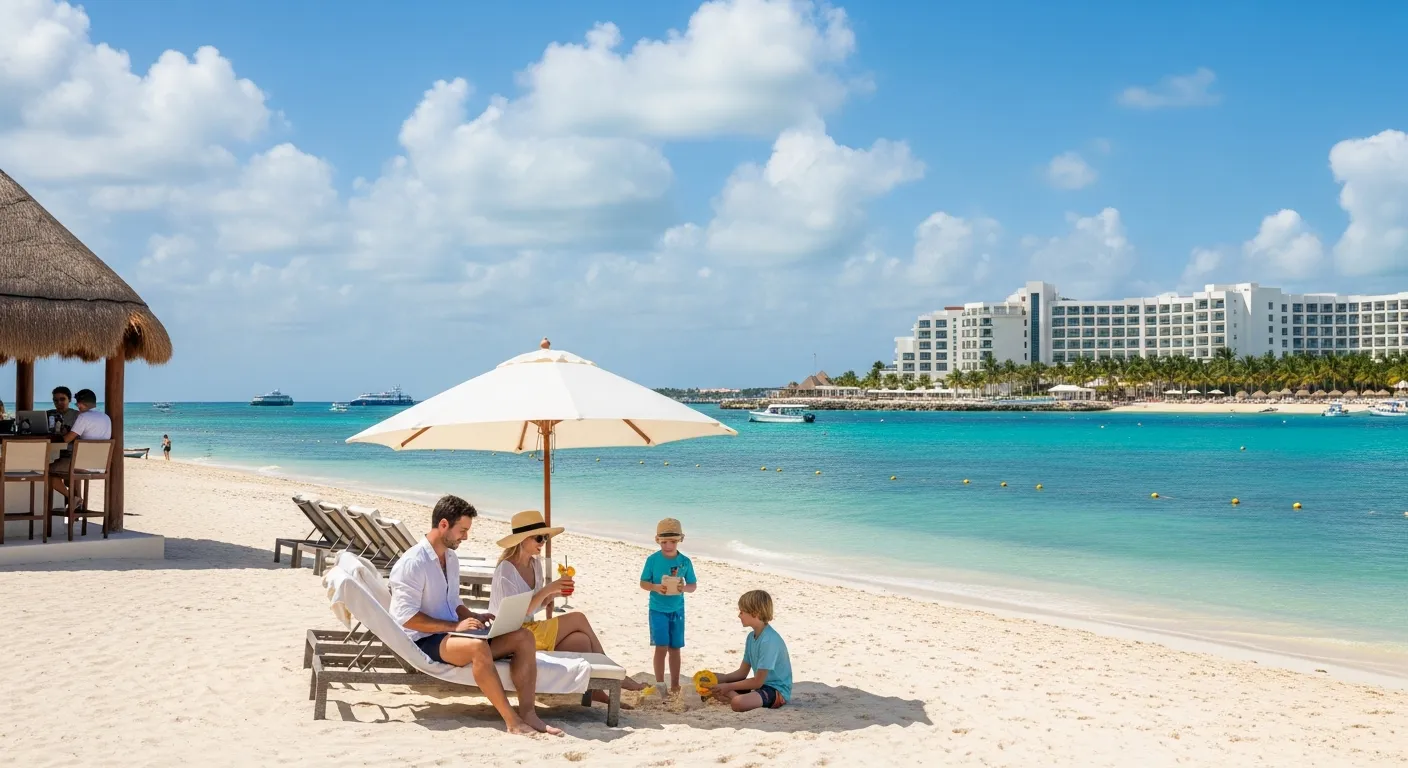
Cancún And The Hotel Zone: Easy, All-Inclusive, And Family-Friendly
Cancún is one of the most famous Mexico vacation destinations for a reason: it’s effortless.
- Why we go:
- Direct flights from many US cities, short transfer to the Hotel Zone.
- White-sand beaches and neon-blue Caribbean water.
- All-inclusive resorts where we don’t have to think about every meal.
- Best for:
Families, first-time travelers, groups who want a smooth, low-friction trip.
If we’re staying in the Hotel Zone, we like resorts with good on-site security, beach access, and reliable Wi-Fi so we can sneak in a meeting or two. For day trips, we’ll hop to nearby cenotes, Isla Mujeres, or an early-morning tour to Chichén Itzá before the crowds.
Budget-wise, mid-range all-inclusives start around $180–$250 per night in shoulder season: upscale options easily cross $400+.
Playa Del Carmen: Walkable, Social, And Digital-Nomad Friendly
Playa del Carmen feels like Cancún’s younger, more walkable cousin.
We base ourselves near 5th Avenue (Quinta Avenida) but a few blocks back from the main strip for quieter nights. Praia-style beach clubs, taco joints, smoothie bars, and coworking spaces make it easy to slip into a semi-routine.
- Why we love it:
- We can walk almost everywhere.
- Constant flow of travelers and remote workers from all over, we end up chatting with people from Chicago, Lagos, Seoul, São Paulo at the same café.
- Easy access to Cozumel for diving or snorkeling.
A decent Airbnb or small hotel usually runs $60–$130 per night outside peak weeks. It’s a sweet spot if we want a mix of social life, beach time, and remote work.
Tulum And Bacalar: Boho Vibes, Cenotes, And Lagoon Life
If we’re chasing that “jungle-meets-design“ aesthetic we see all over Pinterest and Instagram, Tulum is the obvious call, but we go in with eyes open.
- Tulum beach zone: chic, expensive, and more curated than authentic. Think boutique hotels, yoga classes, and $15 cocktails. Beautiful, but not cheap.
- Tulum pueblo (town): more local, more affordable, a bit rough around the edges but real.
We love renting bikes, visiting cenotes like Gran Cenote or Cenote Calavera, and exploring the Tulum ruins at sunrise.
If we want quieter, Bacalar is magic: a laid-back town on the fabled Lagoon of Seven Colors, where we wake up to glassy turquoise water and paddleboards instead of beach clubs.
- Simple lagoon-front hotels start around $80–$150 per night.
- Activities are slow and low-key: boat tours, hammock time, reading by the water.
Bacalar is where we go to exhale, especially if the rest of our trip includes busier cities.
Culture-Rich Cities: Food, Art, And Nightlife
Mexico City: World-Class Food, Museums, And Neighborhood Life
Mexico City (CDMX) feels like at least six cities in one.
We like to stay in Roma Norte, Condesa, or Juárez, leafy neighborhoods with sidewalk cafés, Art Deco facades, and a mix of locals and international visitors. On any given evening, we’ll see couples speaking Spanish, English, French, Korean: friends with braids, afros, hijabs, tattoos: it’s a city that feels genuinely global.
Highlights we keep returning to:
- Street tacos in Narvarte or Doctores (tacos al pastor from ~$1–$2 each).
- The Frida Kahlo Museum in Coyoacán (book tickets ahead).
- The Anthropology Museum, which anchors so much of Mexico’s indigenous history.
- Nights in Roma hopping between mezcalerías and wine bars.
CDMX is also excellent for remote work, with speedy internet and great cafés. Boutique hotels range from $80–$200+ per night depending on area and season.
Oaxaca City: Markets, Mezcal, And Indigenous Traditions
Oaxaca is where we go when we want our trip to feel like a conversation with the land and its people.
Mornings often start at Mercado Benito Juárez, where the smell of chocolate, grilled meats, and fresh tortillas wraps around us. We sit on plastic stools, eat tlayudas and molotes, and watch life unfold.
- Why it’s special:
- Rich indigenous cultures and strong local identity.
- Incredible regional cuisine (moles, memelas, chocolate).
- Mezcal palenques just outside the city, where we can learn from families who’ve been distilling for generations.
We usually stay within walking distance of the Zócalo or Santo Domingo. Guesthouses and design-y boutique stays can run $50–$150 per night, making Oaxaca one of the best value culture trips in Mexico.
Guadalajara And Tlaquepaque: Mariachi, Tequila Country, And Creative Energy
Guadalajara often flies under the radar for US travelers, but it’s a dynamic mix of tradition and modernity.
- In the historic center, we hear mariachi music spill out of plazas.
- In nearby Tlaquepaque, we wander pedestrian streets lined with galleries, artisan shops, and restaurants under papel picado.
- A short trip away lies Tequila (yes, the town), surrounded by blue agave fields.
We love Guadalajara for its creative scene, design markets, indie cafés, and a growing number of remote workers. With the World Cup on the horizon, it’s also poised to get a lot more attention.
Pacific Coast Escapes: Surf Towns And Laid-Back Beaches
Puerto Vallarta And Sayulita: LGBTQ+-Friendly, Lively, Yet Relaxed
On the Pacific side, Puerto Vallarta blends resort comforts with genuine Mexican city life. The Zona Romántica is especially welcoming to LGBTQ+ travelers, with rainbow flags flying over bars and guesthouses.
We divide our days between:
- Morning swims or runs along the Malecón.
- Work sessions in cafés with mountain-and-ocean views.
- Evenings watching sunsets that feel almost staged.
Just up the coast, Sayulita adds a boho-surf-town twist: cobblestone streets, surf schools, beach bars, and yogis heading to class with boards under their arms. It’s busier than it used to be, but still charming if we stay a bit off the main square.
Puerto Escondido: Surf, Sunrise Work Sessions, And Beach Bungalows
If we want that edge-of-the-map feeling, Puerto Escondido on the Oaxaca coast is perfect.
Zicatela Beach is famous for big surf: nearby La Punta is more beginner-friendly and social. We love grabbing an early coffee, watching surfers catch the first waves, then settling in for a few hours of work before the midday heat.
Accommodation leans toward guesthouses, bungalows, and laid-back hotels, many in the $40–$120 per night range. The vibe is barefoot and casual: no one cares if we show up to dinner with salt in our hair.
Hidden-Gem Bays: Huatulco And The Oaxaca Coast
Further down the coast, Huatulco is a cluster of nine bays with clear water and fewer crowds.
It’s an amazing choice if we’re craving:
- Secluded beaches and snorkeling.
- Eco-conscious stays that blend into the landscape.
- A slower pace than bigger resort towns.
We look for small eco-lodges and locally owned hotels, often in the $70–$150 per night range, and spend days boat-hopping between bays.
Nature, Adventure, And Slow Travel Spots
Baja California Sur: La Paz, Todos Santos, And Desert-By-The-Sea
Baja California Sur feels like another planet, desert mountains sliding into the Sea of Cortez, cacti silhouetted against sunset.
- La Paz: a low-key city with a long seaside promenade, great seafood, and access to Isla Espíritu Santo for snorkeling with sea lions.
- Todos Santos: an artsy town with galleries, cafés, and surf beaches nearby: ideal for creative retreats.
- Loreto: quieter still, excellent for whale watching in season and kayaking in calm, clear waters.
Here we rent a car, drive slow, and stop whenever the landscape demands a photo.
San Cristóbal De Las Casas: Mountain Air, Cafés, And Indigenous Culture
In the highlands of Chiapas, San Cristóbal offers cool mountain air and cobblestone streets.
We spend mornings in café courtyards, working or journaling, then wander to markets filled with textiles, weavings, and handicrafts from surrounding indigenous communities.
It’s a meaningful place to engage more thoughtfully with Mexico’s diversity, but it also asks us to be especially respectful: of local customs, photography etiquette, and the complex history of the region.
Pueblos Mágicos Worth Adding To Your Route
Mexico’s Pueblos Mágicos are officially designated “magical towns” rich in culture, history, or natural beauty.
A few we love weaving into longer trips:
- San Miguel de Allende: cobblestone streets, baroque churches, rooftop bars, and a strong arts community. More polished and expat-heavy, but undeniably pretty.
- Tlaquepaque (near Guadalajara): ideal as a day trip or overnight for art, crafts, and mariachi.
- Bacalar: officially a Pueblo Mágico, and one of the dreamiest lagoon towns in the country.
These towns are perfect for slowing down, staying in a small inn, and letting days unfold without a strict itinerary.
Practical Tips For A More Intentional Mexico Vacation
Safety, Transportation, And Staying Connected
We approach Mexico like any big, diverse country: with curiosity and common sense.
- Safety basics:
- Stick to well-reviewed hotels or guesthouses, especially on a first visit.
- Use airport-authorized taxis or pre-booked shuttles in places like Cancún.
- Keep valuables minimal: use hotel safes when possible.
- At night, take a taxi or rideshare rather than walking long, dark stretches.
- Getting around:
- Domestic flights are often worth it for long distances (e.g., Mexico City to Cancún or Oaxaca).
- ADO buses are comfortable and affordable for regional travel, especially in the Yucatán and Oaxaca.
- In Baja and some Pacific areas, renting a car gives us freedom to explore beaches and small towns.
- Staying connected:
- We buy a local eSIM or SIM card (Telcel, AT&T) on arrival: data is cheap and coverage is decent in most tourist areas.
- Many resorts and boutique hotels now promote their Wi-Fi speeds, especially in Puerto Vallarta, Playa del Carmen, and Riviera Nayarit.
Supporting Local Communities And Traveling Sustainably
Intentional travel in Mexico means asking, “Who benefits from our trip?“
Some simple ways we try to do better:
- Choose locally owned restaurants, cafés, and tour operators when we can.
- Book at least a few nights in small guesthouses or eco-lodges, not only big international chains.
- Tip generously when service is good: small amounts go a long way for staff.
- Be mindful around water use, especially in places with fragile ecosystems (Tulum, Baja, Oaxaca Coast).
- When visiting cenotes, reefs, or wildlife areas, follow guidelines and avoid touching coral or animals.
Where To Stay: Boutique Hotels, Eco-Lodges, And Character-Filled Airbnbs
One of our favorite things about Mexico is how many unique stays there are.
- Boutique hotels:
- In Riviera Maya, properties like design-forward seaside hotels (for example, around Nizuc and similar areas) balance style with relative calm.
- In cities like Mexico City, Oaxaca, and San Miguel, old homes have been converted into intimate hotels with courtyards and great breakfasts.
- Eco-lodges:
- Along the Oaxaca coast (Huatulco, Mazunte, Zipolite) and in parts of Baja and Loreto, eco-lodges focus on low impact and nature immersion.
- Expect solar power, limited AC, and nights filled with waves, crickets, or desert silence.
- Character-filled Airbnbs:
- In Puerto Vallarta, Playa del Carmen, and Sayulita, we’ve found apartments with colorful tiles, hammocks, and rooftop views that feel like short-term homes.
- For remote work, we always message hosts about actual Wi-Fi speeds before booking.
Key Takeaways
- Match your travel style to Mexico vacation destinations by choosing between relaxed beach resorts, culture-rich cities, surf towns, or remote-work hubs with reliable Wi-Fi.
- Plan around Mexico’s seasons and budget swings, targeting shoulder months for fewer crowds, better prices, and comfortable weather across popular regions like Riviera Maya, Oaxaca, and Puerto Vallarta.
- For social, easy-access Mexico vacation destinations, consider Cancún and Playa del Carmen, while quieter spots like Bacalar, Huatulco, and Loreto offer slower, more reflective stays.
- Culture lovers should focus on Mexico City, Oaxaca City, Guadalajara, and nearby Pueblos Mágicos for world-class food, indigenous traditions, art, and nightlife at often excellent value.
- Remote workers and digital nomads thrive in Playa del Carmen, Puerto Vallarta, Sayulita, and CDMX, where cafés, coworking spaces, and solid internet support a work-and-play rhythm.
- Travel more sustainably in Mexico by favoring locally owned stays and tours, conserving water in fragile ecosystems, tipping fairly, and following guidelines when visiting cenotes, reefs, and wildlife areas.