
There’s a specific kind of quiet we only find in East Coast national parks.
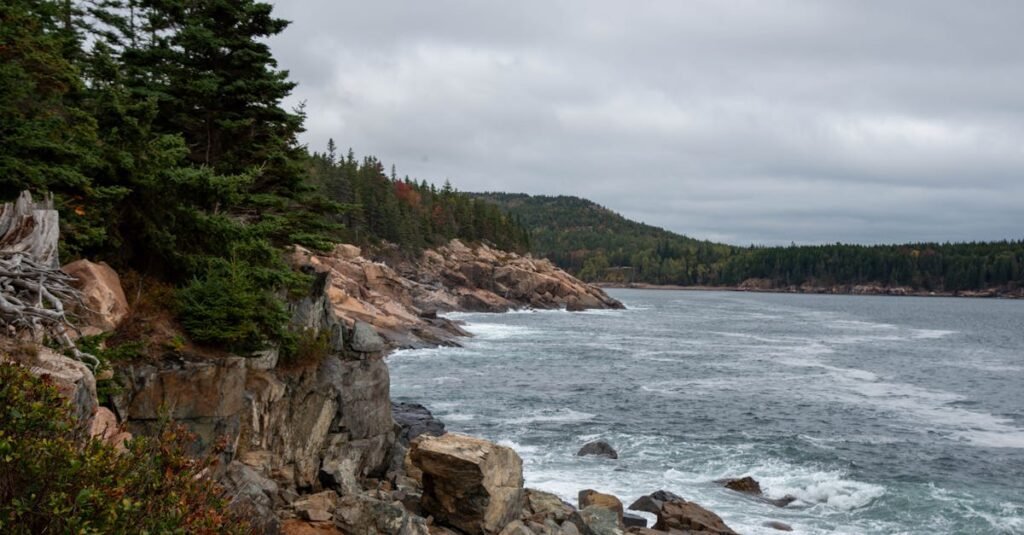
It’s the hush of morning fog clinging to Blue Ridge ridgelines, the low thunder of Atlantic waves crashing into granite, the bubbling of Everglades marshes as something (hopefully not too big) moves just beneath the surface.
When we think “bucket-list national parks,“ a lot of us automatically picture the West, Yosemite, Zion, Yellowstone. But the best national parks on the East Coast offer a different kind of magic: lush forests instead of deserts, ocean drama instead of canyons, and small-town charm just beyond the park gates.
They’re also way more accessible for many of us living east of the Mississippi, which means we can turn a long weekend into something that feels like a real reset.
In this guide, we’re diving into four standout parks, Acadia, Shenandoah, Great Smoky Mountains, and Everglades, with a mix of on-the-ground storytelling and practical tips. We’ll talk hikes, viewpoints, remote-work potential, and how to craft a trip that fits your travel style, whether you’re road-tripping, flying in, or squeezing adventure between Zoom calls.
Why they Deserve A Spot On Your Bucket List
If we’ve grown up on Instagram feeds full of red rock arches and massive Western canyons, it’s easy to underestimate what the East Coast offers. But the contrast is exactly why these parks feel so special.
East Coast national parks are defined by texture and atmosphere:
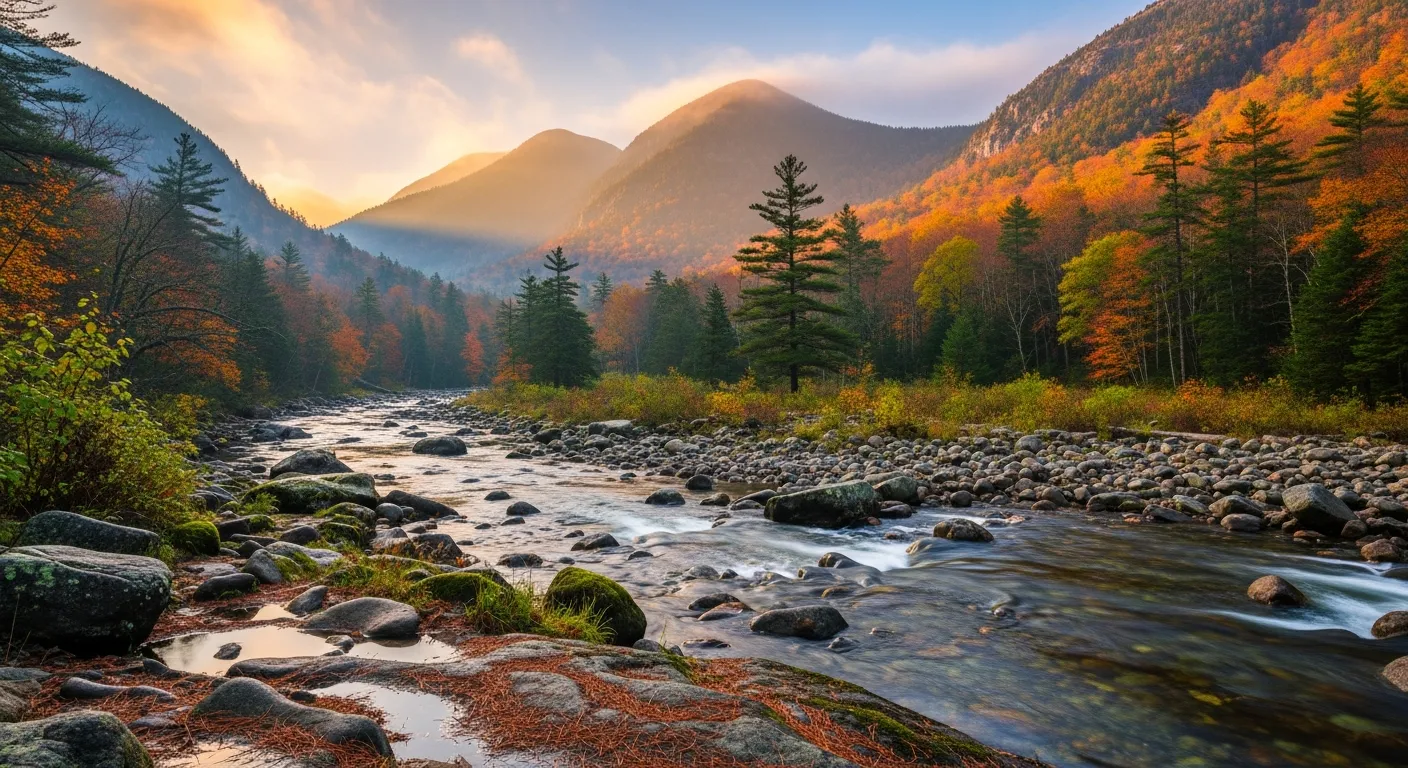
- Lush, layered landscapes instead of stark desert. Think mossy boulders, fern-covered forest floors, and trees that blaze orange and red in the fall.
- Misty peaks and rolling mountains rather than harsh, jagged ranges. On a rainy day in Shenandoah or the Smokies, the clouds slip between ridges like smoke.
- Ocean drama and coastal cliffs in Acadia, where the Atlantic hurls itself at granite headlands, offering a totally different energy than the calm turquoise of Western lakes.
- Subtropical wetlands and wildlife in the Everglades, where you’re sharing space with alligators, wading birds, and manatees instead of bison and elk.
They’re also far more accessible for those of us based in cities like New York, Boston, Atlanta, or DC. You can drive to Shenandoah after work on a Friday, spend two nights in a cabin, and be back at your desk Monday with the smell of campfire still in your sweater.
Beyond the landscapes, East Coast parks come with built-in small-town culture: Bar Harbor outside Acadia, mountain towns around the Smokies, and Cuban coffee stands on the way to the Everglades. It’s easy to combine a few days of hiking with craft breweries, live bluegrass, or dockside lobster rolls.
If we’re building a bucket list that’s about growth, connection, and feeling more grounded, not just ticking off the most famous places, these parks belong near the top.
How To Choose The Right East Coast National Park For Your Trip

With four very different parks, the real question isn’t if we should go, it’s which one fits our current season of life.
Ask yourself a few things:
- How much time do we have?
- 2–3 days: Acadia, Shenandoah, or a quick Everglades add-on to a Miami trip.
- 4–7 days: A Smokies deep dive or Shenandoah–Smokies road trip.
- What kind of energy do we want?
- Crashing waves, rugged cliffs, iconic sunrises → Acadia.
- Quiet overlooks, gentle hikes, foliage road trip → Shenandoah.
- Big-mountain feel, waterfalls, Appalachian culture → Great Smoky Mountains.
- Wildlife, warm weather, something totally different → Everglades.
- Are we working remotely on this trip?
- Acadia (Bar Harbor) and the Smokies (Asheville/Gatlinburg side trips) are great for remote work with café culture and coworking options.
If we want a weekend escape, Acadia or Shenandoah are ideal: fly into Boston or DC, rent a car, and you’re in nature in a few hours. For a longer road trip, linking Shenandoah and Great Smoky Mountains along the Blue Ridge Parkway is a classic East Coast route that feels like a slow-motion exhale.
And if we’re craving something that doesn’t look like the rest of the U.S. at all? The Everglades deliver a surreal, subtropical world that pairs perfectly with a few extra days in Miami or the Florida Keys.
Acadia National Park, Maine: Coastal Cliffs, Sunrises, And Small-Town Charm
The first time we drove into Acadia, the air itself felt different, sharp with salt, cool even in summer, and scented with pine. This is where granite mountains meet the Atlantic, and it’s hard not to feel small in the best way.
Cadillac Mountain is Acadia’s headliner for a reason. Between October and March, it often catches the first sunrise in the continental U.S. We still remember standing there in the pre-dawn dark, wrapped in too-thin layers, waiting as the horizon shifted from inky blue to electric orange. It’s crowded, sure, but when that first line of light hits the ocean, everyone goes quiet at once.
During the day, the park unfolds in a series of short but memorable adventures:
- Jordan Pond Path (3.2-mile loop) – An easy, mostly flat walk around a clear, glacial pond framed by rounded mountains called the Bubbles. Parts of the trail are on wooden planks, weaving through moss and low forest. It’s perfect for stretching our legs after a drive and works for most fitness levels.
- Beehive and Precipice Trails – These are the park’s famous iron-rung routes, where we’re literally climbing metal ladders bolted into cliff faces. They’re short but intense, not ideal for anyone with a fear of heights. The payoff? Sweeping views over Sand Beach, cliffs, and the Atlantic.
- Thunder Hole – A narrow inlet where waves crash into a rocky pocket and explode with a roar, especially around high tide and on rough-sea days. It can be mellow, or it can sound like the ocean is shouting at us.
- Sand Beach, Bass Harbor Head Lighthouse, and Schoodic Point – Sand Beach is a rare pocket of actual sand on this rocky coast, Bass Harbor Lighthouse is a postcard come to life at sunset, and Schoodic Point (on the quieter mainland section of the park) offers seriously dramatic wave action with fewer people.
One under-the-radar favorite is Bar Island, reachable from Bar Harbor by a gravel land bridge that appears at low tide. Walking across feels like a secret passage, but we must watch the tide charts, if we misjudge, we’re calling a boat.
Where We Base Ourselves: Bar Harbor & Beyond
For most people, Bar Harbor is home base. It’s walkable, full of inns, Airbnbs, and harbor-view restaurants. We can start mornings with coffee and a pastry, head into the park for hikes or scenic drives, then come back for local beer and lobster rolls on the waterfront.
If we’d rather feel more tucked away, nearby towns and campgrounds around Mount Desert Island offer quieter stays and classic Maine vibes.
Acadia also works surprisingly well as a remote-work base: Bar Harbor has cafés with decent Wi-Fi, and there are plenty of short hikes we can squeeze in before or after work. Just be ready for variable weather, layers and a rain jacket are non-negotiable, even in August.
Shenandoah National Park, Virginia: Skyline Views And Slow-Travel Vibes
If Acadia is drama, Shenandoah is subtlety. It’s the kind of park where we slow down without really trying. The main event here is Skyline Drive, a 105-mile road running along the crest of Virginia’s Blue Ridge Mountains, dotted with overlooks and trailheads.
On a clear day, we can roll the windows down, feel the temperature drop as we gain elevation, and pull over whenever a view calls to us. In fall, the hills below glow in layers of orange, red, and gold, it feels like someone turned the saturation all the way up.
Shenandoah is especially kind to those of us who don’t want every day to be a strenuous trek:
- Short trails lead from Skyline Drive to rocky viewpoints and waterfalls, so we can stack a few easy hikes instead of committing to one mega-day.
- Cabins and campgrounds inside and near the park make it simple to tune out city noise for a weekend without going fully off-grid.
Because of its location, Shenandoah also makes a great link in a bigger East Coast itinerary, it’s within driving distance of DC, Richmond, and the start of the Blue Ridge Parkway, which eventually leads toward Great Smoky Mountains National Park. If we’re dreaming of a slow-travel road trip with plenty of laptop days and mountain sunsets, this is a natural place to start.
Great Smoky Mountains National Park, Tennessee & North Carolina: Misty Peaks And Mountain Culture
The Great Smoky Mountains are the most-visited national park in the U.S., and once we’re there, it’s obvious why. Ridges stack into the distance like overlapping waves, especially at sunrise and sunset, when the park lives up to its name with blue-gray “smoke” (really fog and moisture) pooling between peaks.
This is a park for people who want a bigger-mountain feel without flying to the Rockies. We get:
- Iconic trails and viewpoints with a range of difficulty, waterfall hikes, ridge walks, and routes to historic cabins and churches.
- Lush summer greenery, fireflies in early summer, and fiery foliage in the fall.
Off-trail (or technically, outside the park boundaries), the Smokies are wrapped in Appalachian culture, think bluegrass, old-time music, local BBQ, pancake houses, and roadside produce stands. It can veer touristy in places like Gatlinburg, but if we lean into the local food and live music scene, we get a genuine taste of the region.
With nearby cities like Asheville and Knoxville, the Smokies also slot nicely into a remote-work life. We can grab a coworking desk or a café table in Asheville on weekdays, then dip into the park for hikes and viewpoints on off-days or evenings.
For sunrises and sunsets, the higher overlooks are where the magic happens: watching ridges fade from deep purple to soft blue as the light changes is one of those images that sticks with us long after we’ve unpacked.
Everglades National Park, Florida: Subtropical Wilderness And Wildlife Encounters
The Everglades are unlike any other national park in the U.S. Instead of mountains or cliffs, we get an endless, flat expanse of sawgrass, mangroves, and water. At first glance it looks simple, almost empty, but once we’re in it, the details come alive.
This is where we trade sweeping overlooks for wildlife encounters and subtropical air. We’re talking:
- Alligators sunning themselves along canal edges.
- Egrets and herons wading in shallow pools.
- Manatees gliding near freshwater outflows in the cooler months.
We can experience the park in a few different ways:
- Airboat tours (just outside certain park entrances) skim us across the marshes at high speed, wind in our face, pausing whenever the guide spots wildlife.
- Kayak or canoe trips take us into mangrove tunnels, where the world narrows to the sound of our paddle and birds shifting in the trees.
- Boardwalk trails let us wander over wetlands with zero technical effort, perfect for those scorching Florida afternoons.
The Everglades are also an easy add-on to a Miami or Florida Keys trip. We can spend a day or two exploring the park, then reward ourselves with a beach day, good coffee, and Cuban food back in the city.
The key here is respect: this is real wilderness. We’re in prime habitat for large reptiles and sensitive ecosystems, so we stick to marked paths, give animals space, and follow park guidance closely.
Practical Tips For Planning Your East Coast National Park Adventure
Planning an East Coast national park trip is part inspiration, part logistics. A few smart moves can stretch our budget, our energy, and our time.
- Budget wisely: If we’re visiting more than one park in a year, the America the Beautiful Pass often pays for itself quickly in entrance fees.
- Time it right: Spring and fall usually offer the best balance of pleasant temperatures and lighter crowds. Summer can be beautiful, but also hot, humid, and busy.
- Pack for variety: East Coast weather is moodier than it looks on the forecast. Layers, a solid rain jacket, and waterproof footwear can save a trip.
- Travel light, tread lightly: Stick to leave-no-trace principles, refill water bottles instead of buying new ones, and keep a respectful distance from wildlife, even when everyone around us is inching closer for the perfect photo.
If we’re working on the road, it helps to build a rhythm: a few focused work blocks in the morning, a hike or scenic drive in the afternoon, and a slow evening in town. These parks lend themselves to that kind of balance.
And above all, leave space in the plan. The moments we remember most often aren’t the ones we scheduled, they’re the unplanned roadside overlooks, the foggy morning when we decided to pull over, the conversation with a local who pointed us to a trail that never makes the “top 10″ lists.
Conclusion
East Coast national parks won’t always shout the loudest on our feeds, but they have a way of quietly changing us. They invite us to slow down, to really see the textures of a place, and to weave nature into our everyday lives instead of saving it only for the “big” trips out West.
What Makes East Coast Parks Different From Western Icons
Western parks often hit us with scale, sheer cliffs, massive canyons, surreal rock formations. East Coast parks lean into mood and intimacy: fog in the trees, waves exploding against granite, the sound of rain in dense forest. They’re also more intertwined with small towns and local culture, so it’s easy to spend mornings in the park and evenings in a cozy inn or local bar.
Best Time Of Year To Visit For Fewer Crowds And Better Weather
For most parks here, spring and fall are our sweet spots: milder temperatures, fewer crowds, and more stable weather. Summer can be fantastic in Acadia (cooler ocean air), but sticky and crowded in the Smokies and Shenandoah. In the Everglades, cooler, drier months (roughly late fall to early spring) typically mean fewer bugs and better conditions.
Trip Style: Weekend Escape, Road Trip, Or Remote-Work Base
These parks flex around our lives:
- Weekend escape: Fly or drive in, stay near the park, focus on 2–3 iconic experiences.
- Road trip: Link Shenandoah and the Smokies, or pair Everglades with Miami and the Keys.
- Remote-work base: Set up in Bar Harbor, Asheville, or a nearby town, then treat the park as your after-work playground.
How Much Time You Really Need In Each Park
We don’t need weeks to make it worthwhile:
- Acadia: 2–3 days is enough for Cadillac Mountain, Jordan Pond, a ladder trail, and some coastline wandering.
- Shenandoah: A weekend gives us Skyline Drive, a couple of viewpoints, and a waterfall hike.
- Great Smoky Mountains: 3–5 days lets us mix hiking, scenic overlooks, and local food/music.
- Everglades: 1–3 days, especially if we’re pairing it with nearby cities or islands.
Top Trails, Viewpoints, And Hidden Corners Worth The Hike
A few not-to-miss highlights:
- Acadia: Jordan Pond Path, Beehive or Precipice (if we like heights), Sand Beach, Schoodic Point, and early-morning views from Cadillac or Egg Rock.
- Shenandoah & Smokies: Short viewpoint hikes from Skyline Drive, ridge walks, and waterfall trails that showcase the region’s lushness.
The real magic, though, is often in the slightly lesser-known corners, quiet coves, side trails, or overlooks we stumble upon between the big-name spots.
Where To Stay: Bar Harbor Inns, Airbnbs, And Campsites
Around Acadia, we’re spoiled for choice: Bar Harbor for walkability and harbor views, nearby villages for quieter nights, and a mix of campgrounds and rustic sites if we want to sleep under the stars. The same pattern holds across the East Coast: charming small towns, simple motels, boutique inns, and a growing number of Airbnbs and cabins with character.
Remote-Work Potential: Wi-Fi, Cafés, And Off-Day Wanders
If we’re traveling with our laptops, Acadia and the Smokies are especially attractive. Bar Harbor and Asheville have solid Wi-Fi, good coffee, and places where opening a laptop doesn’t feel out of place. We can front-load work early in the week, then reward ourselves with midweek hikes when many day-trippers are back at their desks.
Skyline Drive, Overlooks, And Accessible Hikes
In Shenandoah, Skyline Drive is the backbone. The beauty is how accessible it all feels, dozens of overlooks and short walks mean we never have to choose between a full-day trek and “nothing.” We can tailor each day to our energy.
Cabins, Campgrounds, And Nearby Small Towns
From Shenandoah to the Smokies, cabins and campgrounds put us close to the trees and stars, while nearby towns offer hot meals, showers, and a little nightlife when we want it. Mixing nights in a cabin with the occasional hotel or inn can keep costs manageable and comfort levels high.
Linking Shenandoah With Other East Coast Destinations
Shenandoah is a perfect puzzle piece in a larger East Coast adventure. We can pair it with:
- A DC city break (museums + monuments).
- A Blue Ridge Parkway drive toward the Smokies.
- Stops in Charlottesville, Asheville, or small mountain towns along the way.
Iconic Trails, Waterfalls, And Sunrise/Sunset Spots
Across these parks, dawn and dusk are when everything softens:
- Sunrise over Acadia’s Cadillac Mountain or the Smokies’ layered ridges.
- Waterfall hikes catching golden-hour light in Shenandoah or the Smokies.
If we can manage at least one early start or late stay, it’s worth the sleepy eyes.
Appalachian Culture, Music, And Local Food
Around the Smokies especially, the trip doesn’t end at the park entrance. We get live bluegrass, local BBQ, pancakes, cider, and farm stands that add a whole cultural layer to the landscape. It’s a reminder that national parks sit within living, breathing communities, not apart from them.
Weather, Seasons, And Crowd Management
East Coast weather is changeable: storms roll in quickly, fog drops without warning, and humidity can be intense. Checking forecasts, starting early, and building in flexible days help us dodge the worst crowds and conditions. Shoulder seasons (early spring, late fall) are our secret weapon.
Airboats, Kayaks, And Boardwalk Trails
In the Everglades, we experience the park best when we get onto or above the water, airboats, kayaks, or raised boardwalks. Each one gives us a different vantage point on the same landscape.
Staying Safe And Respecting Wildlife
From bears in the Smokies to alligators in the Everglades, we’re guests in someone else’s home. We:
- Keep our distance.
- Store food properly.
- Follow posted guidance and ranger advice.
It’s about safety, but it’s also about respect.
Combining Everglades With Miami Or Florida Keys
A few days in the Everglades followed by Miami or the Keys is a dream combo: wild wetlands and wildlife, then art deco streets, good coffee, and turquoise water. It’s proof that we don’t have to choose between “nature trip” and “city break.”
Budgeting For Your Trip: Passes, Transport, And Stays
Transportation and lodging will likely be our biggest costs. Car rentals (or gas), a mix of simple stays and occasional splurges, and that annual park pass can all be tuned to our budget. Traveling slightly off-peak can cut prices significantly.
Packing Essentials For Variable East Coast Weather
Layers, rain gear, sturdy walking shoes, sun protection, and a small daypack are our non-negotiables. Add a reusable water bottle, a portable charger, and something warm, even in summer, for those unexpectedly chilly dawns on mountain summits or breezy coastal overlooks.
Sustainable Travel Habits In Popular Parks
These parks are loved, and in some spots, loved a little too hard. We can do our part by staying on trails, packing out trash, supporting local businesses that care about the environment, and choosing off-peak or lesser-known areas when we can.
Balancing Adventure, Work, And Rest
Maybe the most powerful part of these East Coast parks is how easily they slot into regular life. We don’t have to quit our jobs or sell everything to feel like we’re living more intentionally, we can weave a weekend in Acadia or a week in the Smokies into our year and come back a little more grounded.
Our invitation? Pick one park that’s calling you, block the days on your calendar, and commit. The mountains, wetlands, and rocky coasts will be there either way, but the version of us that comes back from a trip like this is always a bit more awake.