
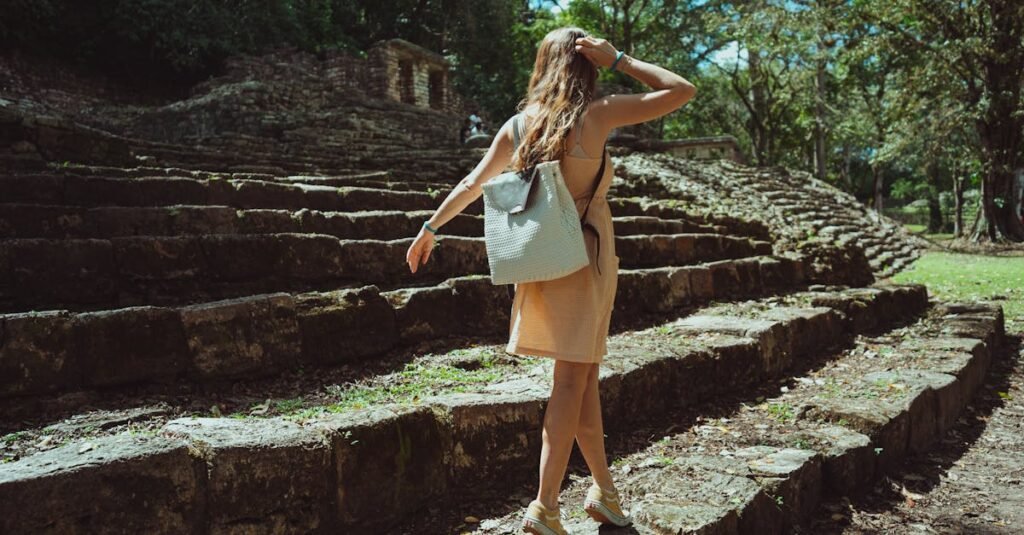
If we’re honest, most of us first hear “Mexico” and picture turquoise water and an all‑inclusive wristband. But the best places to visit in Mexico go way beyond resort life.
We’re talking morning cappuccinos in a leafy Mexico City café surrounded by Black, white, Asian, and Latino remote workers on their laptops. Long lunches in Oaxaca where a grandmother stirs mole in a clay pot. Afternoons swimming in a limestone cenote near Valladolid, or listening to live jazz in a rooftop bar in San Miguel de Allende as the sky turns pink.
In this guide, we’ll walk through our favorite Mexico destinations for curious, culture-obsessed travelers, with a special eye on where it actually feels good to live, work, and connect for more than a rushed weekend. Think of it as your shortcut to planning a trip that’s equal parts inspiring and practical.
Why Mexico Belongs At The Top Of Your Travel List
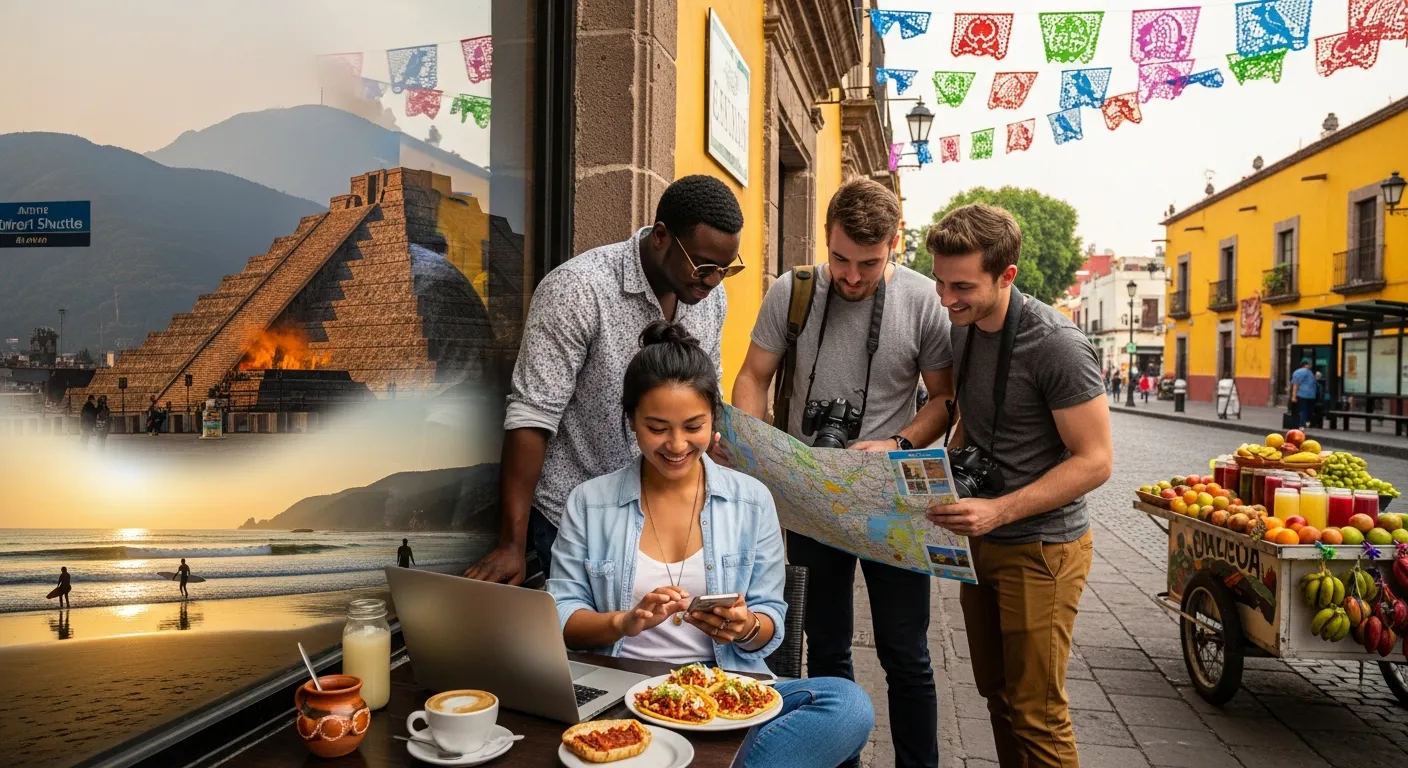
Mexico is one of those rare countries where you can land in almost any region and feel like you’ve entered a completely different world, new food, new landscapes, new rhythms.
Here’s why it keeps pulling us (and so many other U.S.-based travelers) back:
- Insane diversity in a relatively compact package.
In a single month you could go from surfing Pacific waves in Puerto Escondido, to working out of a chic coworking space in Mexico City, to hiking in the cool mountain air of Chiapas. Beaches, volcanoes, jungles, deserts, colonial cities, it’s all here.
- Deep culture and living history.
Pre-Hispanic ruins, colorful fiestas, indigenous languages, contemporary art scenes, slow-food movements, the past and present sit side by side in a way you can actually feel just walking down the street.
- It works for different budgets.
Traveling Mexico on $60–$80 a day is very doable if we’re mindful, but we can also splurge on design hotels, tasting menus, or guided experiences when it feels worth it.
- Time zones and flights are easy from the U.S.
For remote workers, being in similar time zones to New York, Chicago, Austin, or LA is a big deal. There are cheap flights and solid bus networks, so we don’t waste half our trip in transit.
When we talk about the best places to visit in Mexico, we’re really talking about a mix: spots where culture is alive, food is unforgettable, and life as a visitor, or temporary local, feels smooth and safe enough to enjoy.
Mexico City: Creative Capital Of Food, Art, And Nightlife
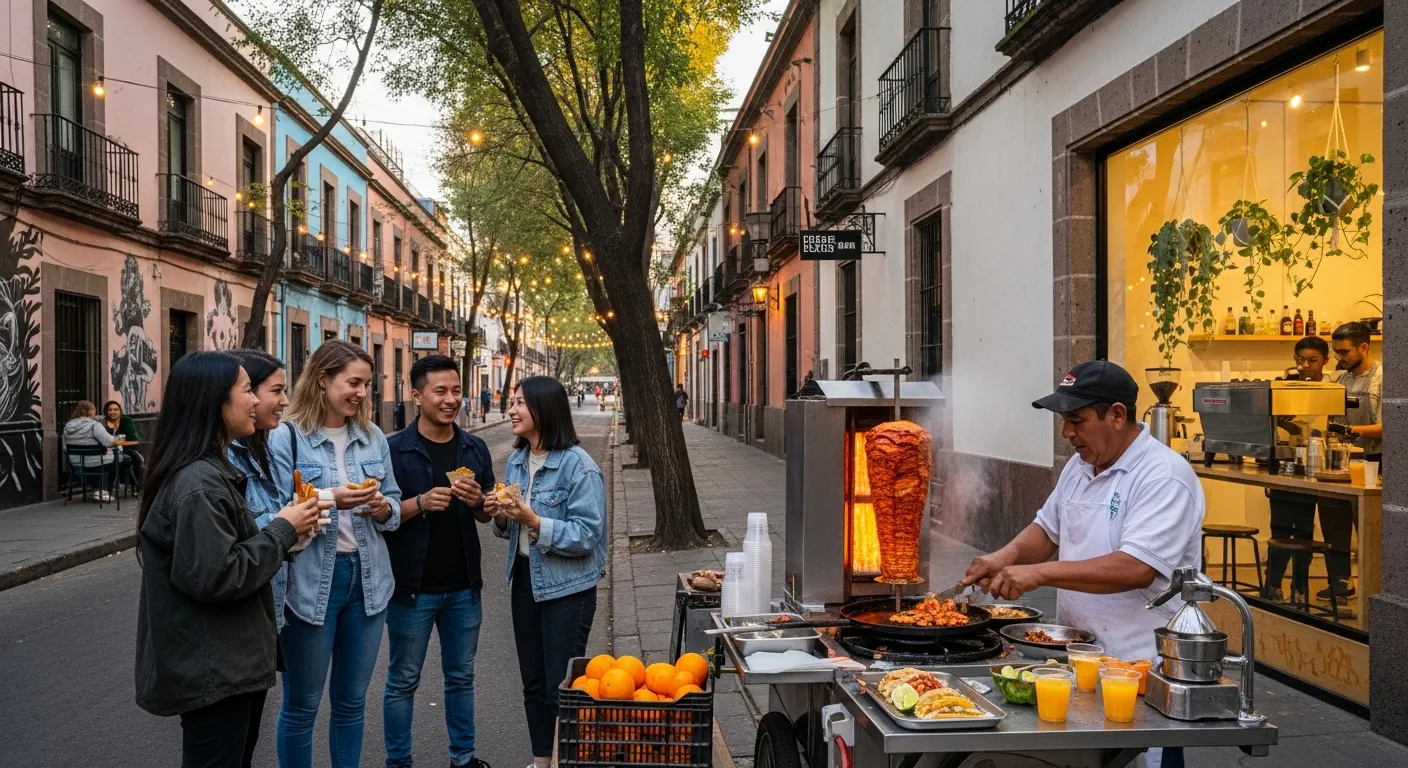
Mexico City (CDMX) is the place where we usually tell friends to start. It’s huge, yes, but it’s also surprisingly walkable in the right neighborhoods and packed with good energy.
Street Food, Galleries, And Neighborhood Wandering
Our perfect CDMX day starts on the street: al pastor tacos sliced off a spinning trompo, fresh orange juice from a vendor, and the smell of tortillas on a hot comal.
Head to La Condesa, Roma, and Juárez and just wander. You’ll pass:
- Third-wave coffee shops filled with a mix of white, Black, Asian, and Mexican creatives on laptops.
- Street stands selling tlacoyos, tamales, and churros (budget $1–$3 per snack: you’ll eat like royalty for under $15/day if you want).
- Galleries and boutiques showing off the city’s design and art obsession.
For art, block out at least half a day for Museo Frida Kahlo in Coyoacán (book in advance) and Museo Nacional de Antropología, which gives powerful context on Mexico’s indigenous cultures.
Best Areas To Stay And Work Remotely
If we’re working remotely, we usually base ourselves in:
- Roma Norte / La Condesa – Leafy, walkable, full of cafés, coworking spaces, and bars. Airbnbs or boutique hotels typically run $60–$150/night depending on season and style.
- Juárez – Slightly more local feel, great food and speakeasy-style bars, still super central.
Wi-Fi is generally strong (30–100 Mbps in most rentals), and there are plenty of coworks like Assignments, WeWork, or smaller independent spots.
Day Trips: Pyramids, Floating Gardens, And Nearby Hikes
From CDMX, we can easily break out of the urban bubble:
- Teotihuacán Pyramids – 1–1.5 hours away: go early to beat the heat and crowds. Tours start around $40–$70 including transport.
- Xochimilco canals – Colorful boats, mariachis, and floating snacks. Go with friends, bring your own drinks, and negotiate the trajinera price before you step on.
- Ajusco or Desierto de los Leones – Forest hikes in the mountains just outside the city if we need fresh air after too much mezcal.
Mexico City can be intense, but if we stay in the right areas, keep nights reasonably tame, and use authorized taxis or apps, it’s one of the most rewarding urban experiences in Mexico.
Oaxaca City And The Coast: Markets, Mezcal, And Surf Town Slow Living
If CDMX is all big-city buzz, Oaxaca is color and tradition turned up to eleven.
Oaxaca City: Textiles, Traditions, And Next-Level Cuisine
Oaxaca City is an easy place to fall in love with. The air smells like chocolate, corn, and copal incense: the streets are lined with pastel buildings and paper flags.
Must-do experiences:
- Mercado 20 de Noviembre & Mercado Benito Juárez – Taste tlayudas, memelas, and moles from different stalls. You can eat incredibly well for $5–$10/meal.
- Textile villages like Teotitlán del Valle – Learn how Zapotec weavers use natural dyes from cochineal and plants. Buy direct from families when you can.
- Cooking or mezcal tours – Choose small-group or locally run experiences that explain traditions instead of just handing out shots.
Oaxaca has a slower rhythm: it’s a beautiful place for long walks, photo missions, and just… lingering.
Oaxacan Coast: Puerto Escondido, Mazunte, And Zipolite
When the heat gets intense, we head to the Pacific coast:
- Puerto Escondido – Surf town meets digital nomad hub. Zicatela is heavy surf: La Punta is more laid-back with yoga studios and cafés.
- Mazunte & San Agustinillo – Tiny coves, sunsets, sea turtles, more couples and solo travelers than big groups.
- Zipolite – Known for its clothing-optional beach and bohemian vibe.
Life on the coast is pretty affordable: simple rooms from $30–$70/night, nicer boutique spots from $100–$200+. The trade-off is that Wi‑Fi can be spotty, so this is more work-light, surf-heavy living.
Local Craft, Festivals, And Responsible Mezcal Tasting
Oaxaca is also mezcal country. If we’re going to drink, we try to:
- Visit small palenques (mezcal distilleries) where the family explains their process.
- Ask about agave replanting and sustainability.
- Drink slowly and buy a bottle to take home instead of overdoing it in touristy bars.
Plan around festivals if you can: Guelaguetza in July, Day of the Dead in late October/early November, these are unforgettable but book early and expect higher prices.
Yucatán Peninsula: Cenotes, Mayan Ruins, And Beachside Balance
The Yucatán Peninsula is where jungle, history, and beach life all weave together. Yes, there are party zones and mega-resorts, but we can easily design a very different trip.
Mérida And Valladolid: Culture-Rich, Slower-Paced Home Bases
Mérida is a colonial city with strong Maya roots, Caribbean heat, and a lively expat and local creative community.
- Evenings on Paseo de Montejo feel like an outdoor living room, families, students, digital nomads (again, a mix of races and backgrounds), all hanging out.
- Coworking and cafés are solid, and rentals start around $40–$120/night.
Valladolid is smaller and sleepier, but it’s an ideal base if we’re cenote-obsessed. From here we can scooter or taxi to stunning swimming holes within 20–40 minutes.
Tulum, Bacalar, And Under-The-Radar Beach Towns
Tulum has transformed from backpacker beach town into design-hotel central. The beach zone is pricey, but inland Tulum Pueblo still has more local spots and cheaper taquerías.
For something calmer and more sustainable-feeling:
- Bacalar – A dreamy “Lagoon of Seven Colors“ where we can paddleboard at sunrise and work from a lakeside café after. Mid-range stays from $80–$150/night.
- Smaller Caribbean towns like Mahahual or Puerto Morelos – Great if we want diving and reef access with less scene.
Cenotes, Ruins, And Easy Weekend Adventures
From almost anywhere in Yucatán we’re close to:
- Cenotes – Natural sinkholes filled with clear freshwater. Dos Ojos, Ik Kil, Suytun, and countless smaller ones. Entry is usually $5–$15.
- Mayan ruins – Chichén Itzá is iconic (go at opening), but we love Ek‘ Balam, Coba, and Uxmal for smaller crowds.
The Yucatán can be a perfect base if we want a mix of daytime laptop work, afternoon swims, and weekend archaeology adventures.
Central Highlands: Colorful Colonial Cities With Big Creative Energy
If we’re drawn to design, architecture, and cooler air, the Central Highlands are some of the best places to visit in Mexico.
San Miguel De Allende: Design, Galleries, And Rooftop Sunsets
San Miguel de Allende is one of those cities that seems permanently golden-hour. Cobbled streets, terracotta rooftops, and church domes glowing at sunset.
- The historic center is packed with galleries, artisan markets, and design shops.
- Rooftop bars are a thing here: they’re not cheap, but grabbing one mezcal cocktail for the view is worth it.
San Miguel has a big expat population, older retirees, younger remote workers, Mexican creatives. It can feel polished, but if we wander a bit away from the core, we still find local taco stands and hole-in-the-wall cafés.
Guanajuato And Querétaro: Tunnels, Music, And Student Energy
Nearby Guanajuato feels like a living painting with its hillside houses, underground roads, and nighttime callejoneadas (roving musical street performances).
Querétaro has more of a working Mexican city feel, with a beautiful aqueduct, strong business scene, and growing creative and tech community.
Both cities have universities, so there’s a lot of student energy, live music, and budget-friendly eats.
Digital Nomad Infrastructure In The Highlands
For remote workers, the Highlands are attractive because:
- Temperatures are milder (especially in winter).
- Wi‑Fi is generally reliable.
- There’s a growing number of coworking spaces, language schools, and creative workshops.
Budget-wise, we’re often looking at $40–$100/night for apartments if we stay a month or more, and $8–$20 for a good sit-down meal.
Chiapas And Beyond: Lush Landscapes And Deep Indigenous Culture
If we want to feel close to nature and living indigenous culture, Chiapas is quietly one of the most powerful regions in Mexico.
San Cristóbal De Las Casas: Mountain Air And Mayan Identity
San Cristóbal de las Casas sits high in the mountains, with misty mornings and cool evenings. The streets are full of:
- Tzotzil and Tzeltal women selling handwoven textiles.
- Backpackers and remote workers ducking into cafés with wood-burning stoves.
- Murals and political art reflecting local struggles and pride.
The vibe here is slower, more introspective, and very international while still deeply indigenous.
Waterfalls, Canyons, And Jungle Archaeological Sites
From San Cris, we can explore:
- Cañón del Sumidero – A massive canyon with boat trips along the river.
- Waterfalls like El Chiflón and Agua Azul (check recent conditions: heavy rains can affect safety and color).
- Palenque – Some of the most atmospheric Mayan ruins, surrounded by jungle and howler monkeys.
Respectful Travel In Indigenous Communities
Chiapas is also where we need to be especially mindful:
- Ask before taking photos of people: in some communities it’s not welcome.
- Go with responsible local guides when visiting villages like San Juan Chamula and Zinacantán.
- Spend money directly with artisans, and don’t haggle down to the last peso.
This is a region that can change how we see Mexico, as long as we approach it with humility and curiosity.
Practical Tips For Choosing Your Perfect Mexico Base
By now you can probably feel that there’s no single “best” place, just better fits for different seasons of our life and work.
Safety, Seasonal Weather, And Budget Planning
- Safety: Stick to well-known neighborhoods, use official taxis or apps, and listen to local advice. Mexico is huge: safety varies by region, city, and even block.
- Weather:
- Dry season (roughly Nov–May) is generally best for most places.
- Summer in the Yucatán gets very hot and humid: Highlands and CDMX are lovely.
- Budget:
- Backpacker style: $50–$70/day.
- Comfortable mid-range: $80–$150/day.
- Splurge stays and tastings can obviously push things higher: many travelers mix and match.
Getting Around: Buses, Domestic Flights, And Driving
- Buses: Companies like ADO are comfortable, safe, and affordable for intercity travel.
- Domestic flights: Great for long jumps (e.g., Tijuana–Oaxaca or CDMX–Cancún): watch budget airlines for deals.
- Driving: Gives flexibility in regions like the Yucatán or Central Highlands. Stick to daytime driving and toll roads where possible.
Finding Stays With Character: Neighborhoods, Hotels, And Rentals
We usually:
- Prioritize walkable neighborhoods with cafés, markets, and parks.
- Mix boutique hotels, guesthouses, and rentals depending on mood and work needs.
- Look for places that show a mix of guests in their photos (race, age, style) and highlight local staff and community ties, that’s often a good sign the vibes will be welcoming for everyone.
Key Takeaways / Travel Tips
- Start with your vibe. Big-city culture (CDMX), slow-colorful traditions (Oaxaca), beach/jungle balance (Yucatán), design-forward colonial charm (Central Highlands), or introspective mountain life (Chiapas).
- Work + travel balance. For strong Wi‑Fi and coworking, prioritize Mexico City, Mérida, San Miguel, Querétaro, or parts of Puerto Escondido.
- Budget smart. Combine street food and markets with the occasional splurge meal or boutique hotel night.
- Move slowly. Two or three regions in a trip is plenty. Give yourself time to settle into a neighborhood café and become a regular.
- Travel respectfully. Especially in indigenous areas: ask before photos, support local artisans directly, and follow community guidelines.
Do that, and Mexico stops being just another stamp in the passport, it starts feeling like a second home we can keep coming back to, one neighborhood at a time.