
Oaxaca City has a way of slowing us down in the best possible way. Mornings smell like fresh tortillas and espresso, afternoons glow against faded pastel walls, and nights stretch late with mezcal, live music, and long conversations.
If we’re craving a trip that’s more about connection than checklists, Oaxaca delivers: layered history, bold food, and a creative energy that pulls in travelers from New York, Austin, LA, Chicago, Seattle, and far beyond.
In this slow travel guide to the best things to do in Oaxaca City, we’ll wander cobblestoned streets, eat our weight in tlayudas, meet artisans, and sneak in a few day trips, all with practical tips for budgeting, safety, and even remote work.
Get Your Bearings In Oaxaca City
Understand The Layout: Centro, Jalatlaco, And Beyond
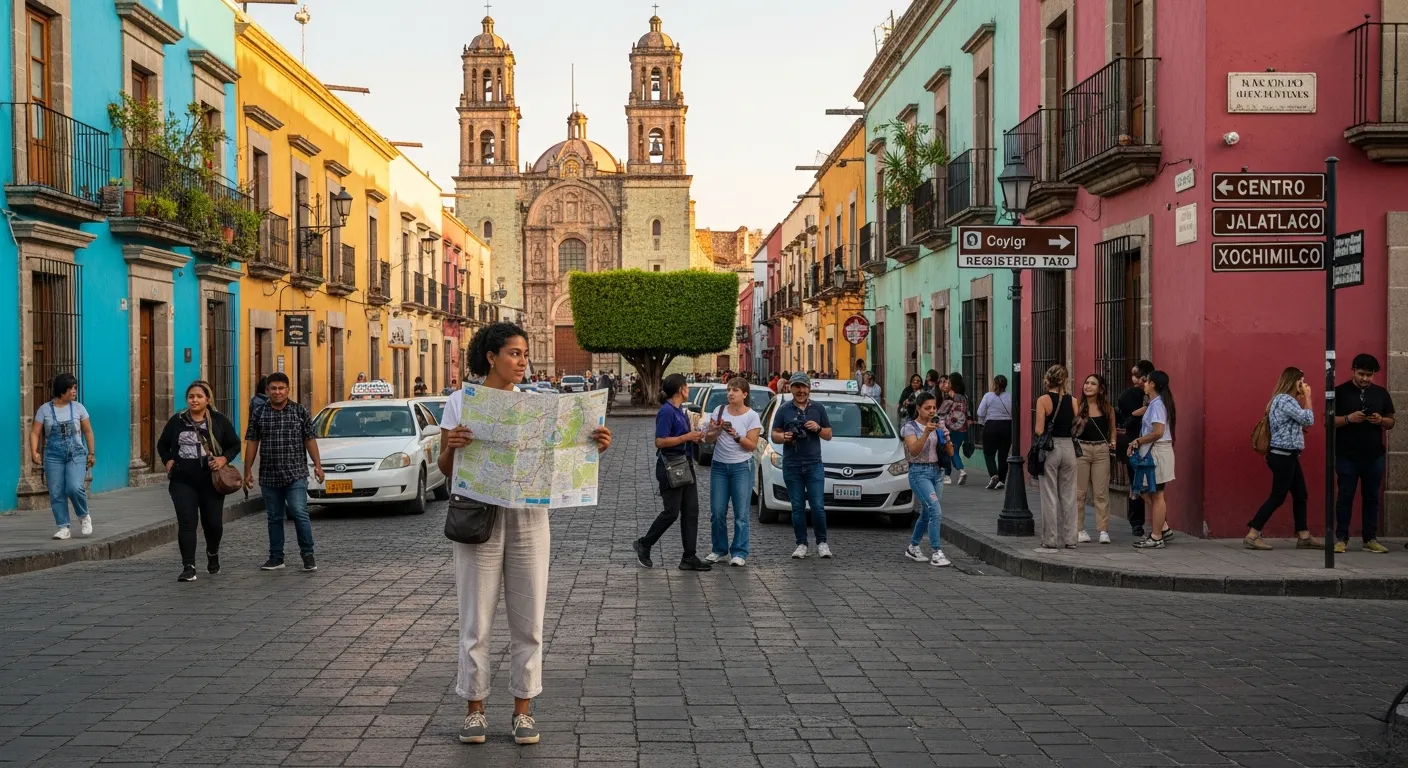
Oaxaca de Juárez is compact and wonderfully walkable. Most of what we’ll do – eating, drinking, museum-hopping – clusters around the Centro Histórico, anchored by the Zócalo (main square) and Templo de Santo Domingo.
To keep it simple:
- Centro Histórico – Think colonial facades, main plazas, bars, and most museums. If it’s your first time, this is home base.
- Jalatlaco – A small, cobblestoned neighborhood east of Centro, full of colorful murals, cafes, and a quieter local feel.
- Xochimilco – North of Centro, with old aqueducts, artisan shops, and more of a residential vibe.
We don’t need a car here. From Santo Domingo to the Zócalo is a 10–15 minute walk, and Jalatlaco or Xochimilco are usually within 20 minutes on foot.
Move Like A Local: Walking, Taxis, And Safety Basics
Most days, we’ll walk. The streets are busy, lively, and easy to navigate with an offline map (Google Maps or Maps.me).
When we don’t feel like walking:
- Taxis are plentiful: agree on a price before you get in. Within the center, expect 50–80 MXN.
- App-based rides come and go: if available, they can be slightly cheaper and more predictable.
- Collectivos and buses are great for day trips, but for in-city movement we’ll likely skip them.
Oaxaca City feels relatively safe, including for solo travelers of all backgrounds, Black, white, Asian, Latinx, queer. Still, we stick to the basics: avoid super dark side streets late at night, don’t flash cash or expensive cameras, and use registered taxis after big nights out.
Tap water isn’t potable, so we drink bottled or filtered water: many hotels and guesthouses have refill stations.
Wander The Historic Center And Soak Up The Atmosphere
Stroll To Santo Domingo And The Most Photogenic Streets
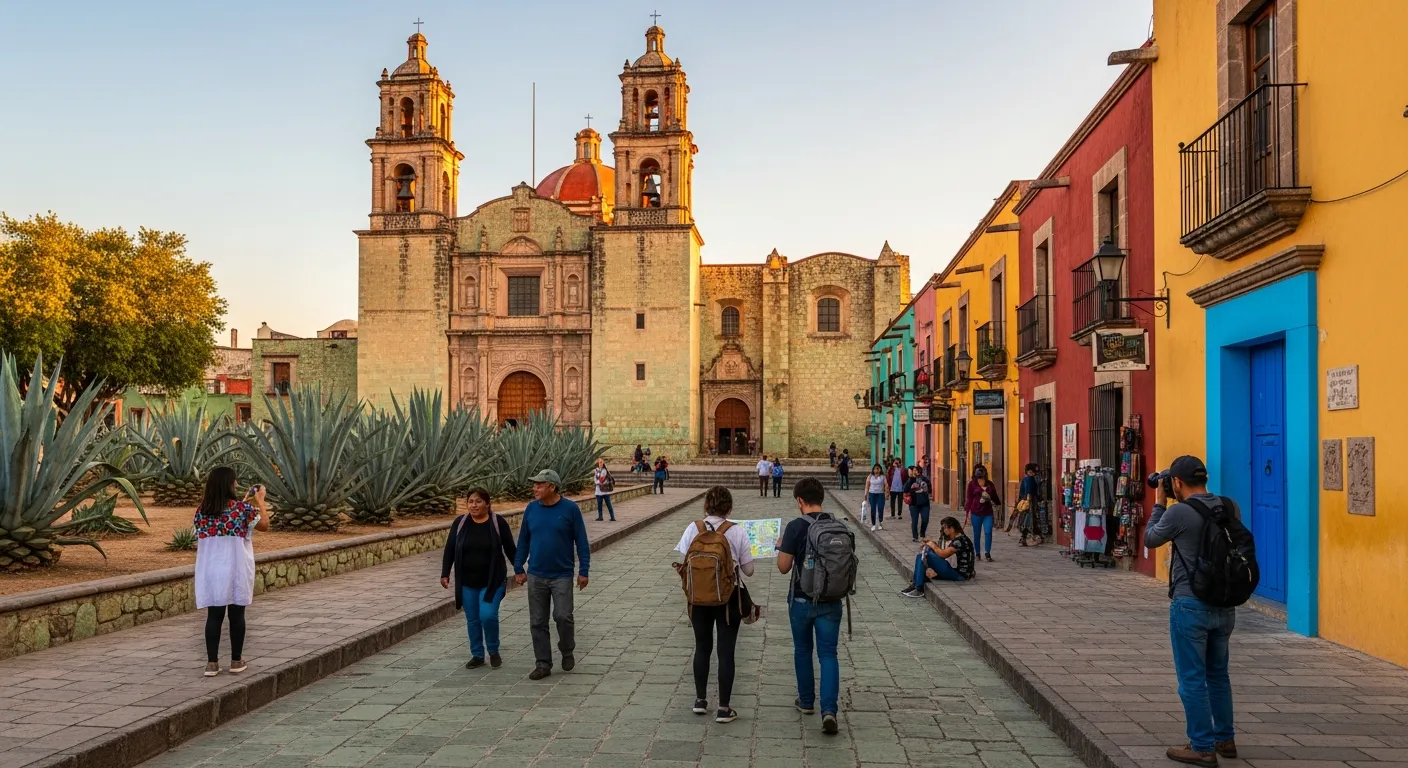
If we do nothing else in Oaxaca City, we walk. Start in the morning or golden hour and wander toward Templo de Santo Domingo de Guzmán, the magnificent 17th-century Baroque church crowned with twin bell towers.
Inside, the gold-leaf ceiling and Rosary Chapel are jaw-dropping, especially in the late afternoon when sunlight makes the gold shimmer. Outside, the plaza and agave-filled gardens are an open-air living room, families, couples, and travelers all mingling.
For the prettiest streets:
- Calle Macedonio Alcalá (Andador Turístico) – The main pedestrian street from the Zócalo up to Santo Domingo.
- Side streets like García Vigil, Allende, and Reforma – packed with galleries, boutiques, and doorways begging for photos.
Visit Oaxaca’s Best Museums And Cultural Centers
Right next to Santo Domingo in the former monastery is the Museum of Oaxacan Cultures (Museo de las Culturas de Oaxaca). We walk through centuries: pre-Hispanic artifacts, colonial art, and exhibits on Oaxaca’s Indigenous communities. Don’t miss the views from the upper floors over the Santo Domingo square.
Other worthwhile stops:
- Textile Museum of Oaxaca (Museo Textil de Oaxaca) – Rotating exhibits of traditional and contemporary textiles. Great context before we shop.
- MACO or contemporary art spaces (names and curators change, but there’s always something interesting showing somewhere) – check what’s on when we visit.
- Basilica de Nuestra Señora de la Soledad (La Soledad) – A short walk from the center, with intricate Baroque details and a historic pipe organ.
We don’t need to see every museum. Picking one or two gives us depth without burning out.
Eat And Drink Your Way Through Oaxaca
Experience Oaxaca’s Nightlife, From Mezcalerías To Live Music
Nights in Oaxaca are about conversation more than clubbing. We gravitate toward mezcalerías – intimate bars specializing in Oaxaca’s signature spirit.
Look for spots with:
- Short, focused menus of artisanal mezcal (not just cocktails)
- Staff willing to explain differences between espadín, tobalá, madrecuixe, etc.
- Tasting flights around 150–300 MXN
After, we can catch live music in courtyard bars or cultural centers – anything from jazz to traditional son. Most places are relaxed: sneakers and casual outfits are the norm.
Must-Try Dishes And Street Food Classics
Oaxaca is Mexico’s culinary capital, so we plan around meals. A few essentials:
- Tlayudas – Giant, crispy tortillas loaded with beans, quesillo (stringy cheese), meat, lettuce, and salsa. Street stalls or basic comedores are often the best.
- Mole – There are at least seven classic varieties. Try mole negro and mole coloradito with chicken or veggies.
- Memelas & tetelas – Corn masa pockets topped or stuffed with beans, cheese, and sometimes chicharrón.
- Tamales oaxaqueños – Steamed in banana leaves, often with mole inside.
Street food can run 15–60 MXN per item: a mid-range sit-down dinner with drinks may be 250–500 MXN per person.
Food Tours, Cooking Classes, And Mezcal Tastings
If we’re serious about flavor (and honestly, in Oaxaca we should be), a food tour or cooking class is a must.
Typical options:
- Market + cooking class – Visit a local market with a chef, learn about chiles, chocolate, and masa, then cook a full meal. Expect 1,200–2,000 MXN per person.
- Street food tours – Great orientation for our first night: we hit several stalls we’d never find alone.
- Mezcal palenque visits – Outside the city, we see small-scale distilleries, learn the process, and taste straight from the source.
We look for operators who pay fair wages and work directly with local families and producers.
Coffee Shops, Brunch Spots, And Slow Morning Rituals
Oaxaca’s coffee scene is strong, thanks to beans grown in the surrounding mountains. Mornings are perfect for:
- Third-wave cafés with specialty pour-overs and cold brews
- Brunch spots serving chilaquiles, enfrijoladas, and fresh juices
- Courtyard cafes where we can linger with a laptop or notebook
A cappuccino usually runs 40–70 MXN: a full brunch plate might be 120–220 MXN. We mix more polished cafes with no-frills spots packed with locals for a balanced feel.
Explore Markets, Artisans, And Contemporary Culture
Jump into Benito Juárez And 20 De Noviembre Markets
If we want to feel the pulse of Oaxaca, we head to the markets. Benito Juárez Market is a dense maze of fruit stands, spices, snacks, and everyday goods. The smell of chiles and cacao hits us immediately.
Around the corner, Mercado 20 de Noviembre is all about food. We can:
- Grab a seat at a comedor for mole and stews
- Wander into the pasillo de humo (smoke aisle) for grilled meats
- Snack on chapulines (toasted grasshoppers) with chile and lime
Go hungry, bring small bills, and skip big backpacks.
Shop Ethical Textiles, Ceramics, And Handmade Goods
Oaxaca’s crafts are beautiful, but the shopping can feel overwhelming. We try to:
- Learn a bit about weaving traditions in villages like Teotitlán del Valle, even if we buy in the city
- Ask where and how pieces are made
- Favor shops and collectives that credit individual artisans and pay fairly
In Centro and Jalatlaco, we’ll see:
- Handwoven rugs, shawls, and clothing using natural dyes
- Black clay (barro negro) ceramics
- Brightly painted alebrijes (fantastical wooden animals)
Prices vary wildly. A handwoven rug can run from 1,500 MXN to much more depending on work and materials: small ceramics or textiles start under 300 MXN.
Discover Oaxaca’s Street Art, Galleries, And Creative Spaces
Beyond traditional crafts, Oaxaca has a strong graphic arts and street art scene. We’ll spot:
- Murals in Jalatlaco and Xochimilco, painted on crumbling walls and old houses
- Poster and print shops along streets like Porfirio Díaz
- Small independent galleries showing photography, illustration, and experimental work
A walking tour with a local artist can provide context, especially around political posters, Indigenous rights, and how art and resistance intersect in the city.
We’re mindful when taking photos of people or private homes: we ask, smile, and respect a “no.“
Escape The City: Easy Day Trips And Nature Experiences
Monte Albán, Tule Tree, And Nearby Villages
Just outside Oaxaca City, Monte Albán rises above the valley. Once a major Zapotec (and later Mixtec) city, it was inhabited for over 1,500 years. We wander among pyramids, terraces, and temple platforms carved into the mountaintop, with sweeping views back toward Oaxaca.
We can visit by:
- Shared shuttle from Centro (around 100–150 MXN round-trip)
- Taxi or private guide for more flexibility
Combine it with stops at:
- The Tule Tree – One of the widest trees in the world, in the town of Santa María del Tule.
- Nearby artisan villages specializing in rugs, woodcarving, or pottery.
Hierve El Agua, Hiking, And Outdoor Adventures
For a surreal landscape, we head to Hierve el Agua. Mineral-rich springs sit on the edge of a cliff, forming natural infinity pools and a white “petrified waterfall” that looks frozen mid-cascade.
Common options:
- Join a day tour (often including a mezcal distillery stop) for 600–900 MXN per person.
- Rent a car with friends and drive ourselves: road conditions and access rules can change, so we check the latest info locally.
We bring:
- Swimsuit and quick-dry towel
- Sunscreen and hat (shade is minimal)
- Cash for entrance, parking, and snacks
There are also hiking routes around the cliff – nothing too technical, but sturdy shoes help.
Festivals, Temazcal Ceremonies, And Seasonal Experiences
Oaxaca city‘s energy shifts with the calendar. If we can time our trip, some powerful moments include:
- Día de Muertos (Day of the Dead, late Oct–early Nov) – Altars, marigolds, face paint, and cemetery visits. Book months ahead: stay respectful in cemeteries.
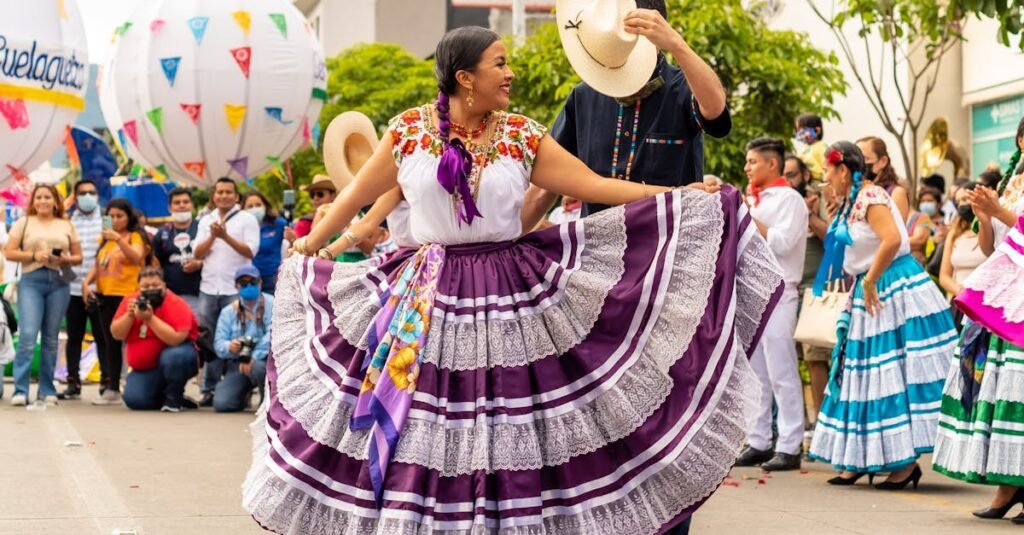
- Guelaguetza (July) – A massive celebration of Indigenous cultures, with dance and music from different regions.
- Noche de Rábanos (Night of the Radishes, December 23) – Artists carve elaborate figures out of radishes. Yes, radishes.
We may also encounter temazcal ceremonies – traditional sweat lodges led by local healers. If we choose to participate, we:
- Go with a trusted, well-reviewed practitioner
- Treat it as a cultural and spiritual practice, not a spa novelty
- Listen to our body and skip it if we’re claustrophobic or dealing with health issues
Where To Stay, Work, And Live Well While You Visit
Best Neighborhoods To Stay For Different Travel Styles
Where we stay shapes how we experience Oaxaca.
- Centro Histórico – Best for first-timers. Steps from museums, markets, and nightlife. Expect more noise and foot traffic.
- Jalatlaco – Ideal if we want charm and murals with a quieter, village feel but still walkable to Centro.
- Xochimilco – Good for longer stays and digital nomads who prefer a more residential, less touristy vibe.
We’ll find everything from simple guesthouses ($30–60 USD/night) to boutique hotels and design-forward Airbnbs ($80–200+ USD/night).
Coworking Spaces, Wi-Fi Cafés, And Remote Work Tips
For remote workers, Oaxaca can be a sweet spot, not perfect, but doable with a little planning.
- Coworking spaces in Centro and Jalatlaco typically offer day passes around 200–300 MXN and decent Wi-Fi.
- Many cafés are laptop-friendly, especially in the mornings. We order more than one drink or a meal if we’re staying long.
- Internet can be patchy during storms or citywide outages, so we:
- Ask our accommodation for actual speed tests (10–30 Mbps down is common)
- Consider a local SIM with data as backup
Noise (street vendors, church bells, fiestas) is part of the charm but can be distracting on calls. Noise-cancelling headphones help.
When To Visit, What To Pack, And Respectful Travel Practices
Oaxaca is pleasant year-round, but seasons feel different:
- Dry season (roughly Nov–April) – Sunny days, cooler nights. Great for walking and day trips.
- Rainy season (May–Oct) – Lush landscapes, afternoon showers, fewer crowds.
We pack:
- Light layers (days warm, nights can be cool)
- Comfortable walking shoes for cobblestones
- A light rain jacket if we’re there in rainy season
For more respectful travel in Oaxaca:
- Learn a few Spanish basics: buenos días, por favor, gracias.
- Ask before photographing people, especially in markets or during ceremonies.
- Support locally owned spots – from street stalls to family-run hotels – over big international chains.
- Remember Oaxaca is home, not a backdrop. Our dollars have impact: we can choose to make it a positive one.
Conclusion
Oaxaca City isn’t a place we “do” in two days and move on from. It’s a city that invites us to linger, over a cup of single-origin coffee, a bowl of mole, a conversation with a weaver, a late-night mezcal in a dim bar.
If we let it, Oaxaca slows our pace and sharpens our senses. We notice the texture of hand-laid stone streets, the sound of church bells at dusk, the way markets thrum with life. We leave not just with photos, but with flavors, stories, and a deeper respect for the cultures that shape this valley.
Whether we’re coming for a week or settling in for a month of remote work, the real magic happens when we step off the “must-see” list and start paying attention to the everyday.
Key Takeaways & Travel Tips For Oaxaca City
- Stay central for your first visit. Base in Centro, Jalatlaco, or Xochimilco so you can walk almost everywhere.
- Prioritize food experiences. Try tlayudas, memelas, and at least one mole-focused meal, plus a food tour or cooking class.
- Balance tradition and creativity. Visit Santo Domingo, museums, and markets, then explore street art, galleries, and mezcalerías.
- Leave time for day trips. Don’t miss Monte Albán: add Hierve el Agua or artisan villages if you can.
- Be a thoughtful guest. Support local businesses, ask before taking photos, and treat cultural rituals and festivals with care.
If we approach Oaxaca City with curiosity, humility, and an open schedule, it has a way of giving us far more than we planned for, and pulling us back again and again.
Key Takeaways
- Focus your Oaxaca City itinerary around slow travel: walk the Centro Histórico, Jalatlaco, and Xochimilco, and let the atmosphere, plazas, and street art guide your days.
- Make food and mezcal central to your list of things to do in Oaxaca City by trying street tlayudas, mole dishes, markets like 20 de Noviembre, and a food tour or cooking class.
- Dive into culture with a visit to Santo Domingo, the Museum of Oaxacan Cultures, textile museums, and ethical artisan shops that highlight local weaving, ceramics, and printmaking.
- Save time for classic day trips among the best things to do in Oaxaca City, including Monte Albán, Hierve el Agua, the Tule Tree, and nearby artisan villages.
- Travel respectfully and practically by using walking and taxis, drinking filtered water, learning basic Spanish, asking before taking photos, and choosing locally owned businesses.