
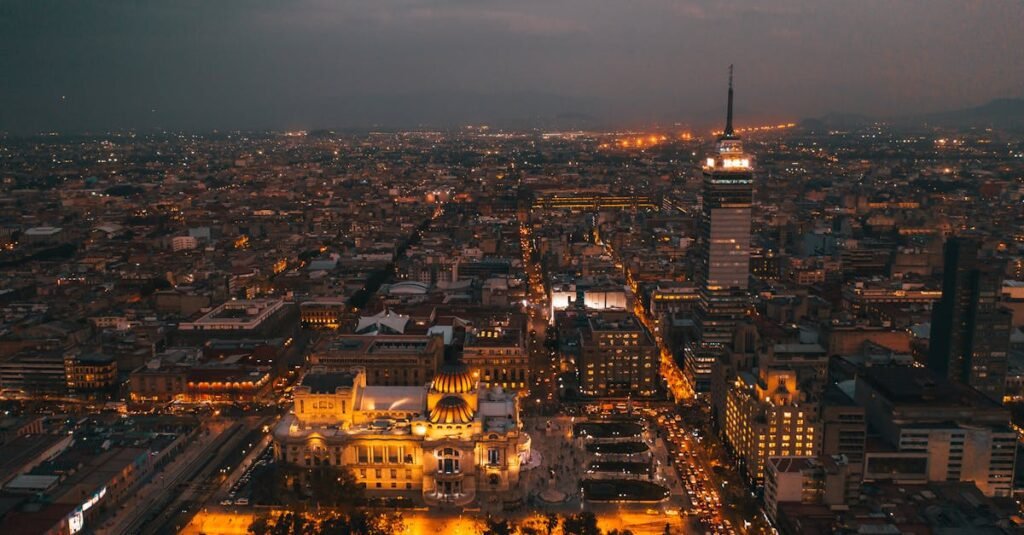
If we close our eyes and picture Mexico, it isn’t just one image.
It’s late-night tacos al pastor under neon lights in Mexico City, turquoise cenotes hidden under jungle vines in Yucatán, sunrise over cactus-dotted desert in Baja, and the sound of church bells echoing through cobblestone streets in the highlands.
Mexico is one of those rare countries where we can design almost any kind of trip: a slow-travel sabbatical, a one-week beach break between projects, a mezcal-fueled food adventure, or a remote-work base with great Wi‑Fi and better coffee.
In this guide to the best tourist places in Mexico, we’re not just listing cities: we’re connecting destinations to different travel styles. We’ll talk real experiences, budget ranges, and the kind of details we wish someone had told us before we booked our first flight south.
Why Mexico Belongs On Your Shortlist Right Now
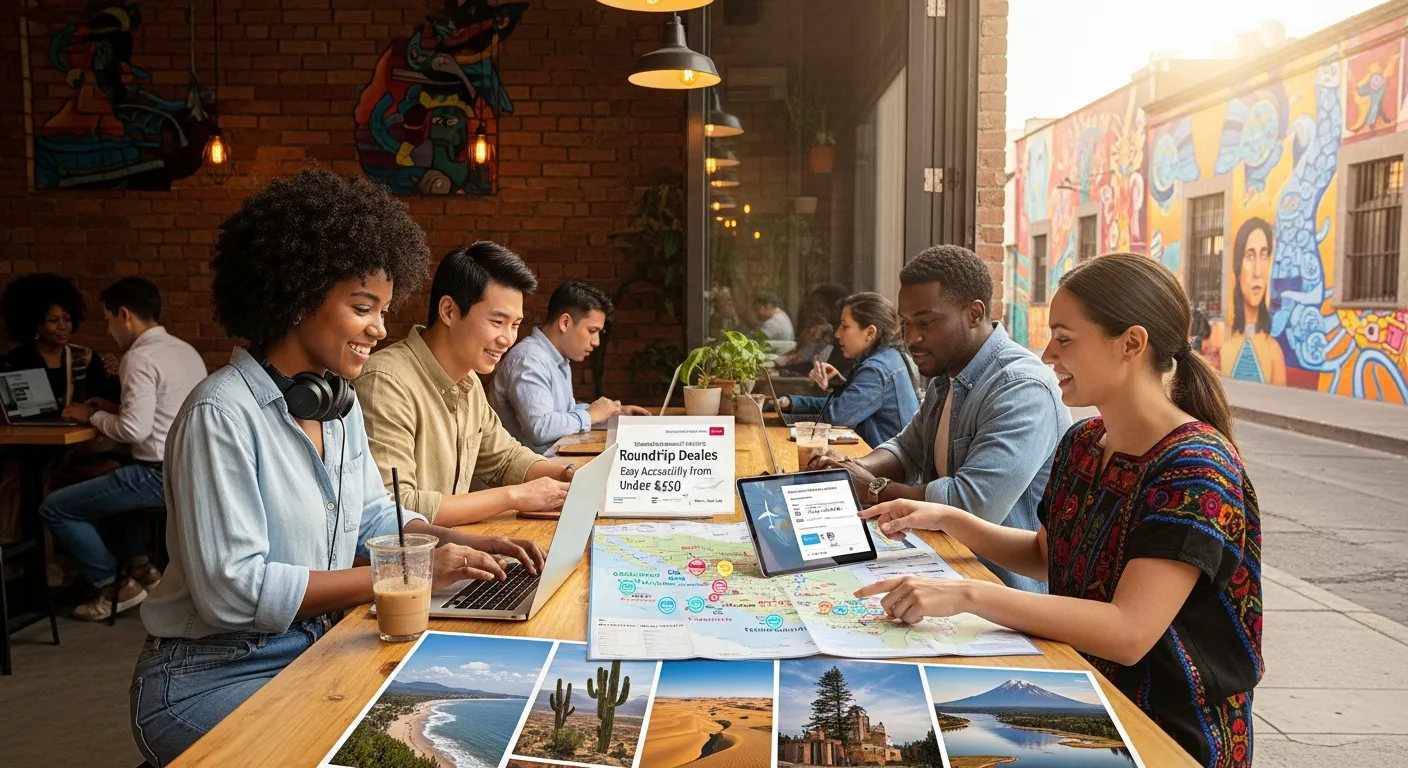
Mexico has always been a classic, but over the past few years it’s quietly become one of the most dynamic travel playgrounds in the Americas, especially for those of us building flexible, creative lives.
Here’s why Mexico should be high on our list:
- Easy access from the U.S.
From New York, LA, Chicago, Seattle, and Austin, we can usually find nonstops to Mexico City, Cancún, Guadalajara, Los Cabos, and more. Off-season, it’s not unusual to snag roundtrips for $250–$450.
- Huge diversity in one country
In a single trip (or over a few), we can go from Caribbean-style beaches to pine forests, from volcanic highlands to desert meeting the Pacific. That means we can keep coming back and still feel like we’re discovering a new country.
- Improving infrastructure & digital-nomad friendliness
Upgraded airports, better highways, and more boutique hotels and co-working spaces keep popping up. In creative hubs like Mexico City, Oaxaca, and Mérida, it’s normal now to see Black American creatives editing videos in cafes, Asian remote workers on Zoom calls, and local entrepreneurs all sharing the same Wi‑Fi.
- Deep culture that goes way beyond resorts
Indigenous communities, Afro-Mexican coastal towns, world-class museums, family-run mezcal distilleries, mural-covered streets, Mexico rewards curiosity. If we’re willing to step beyond the all-inclusive bubble, the country opens up in a big way.
Safety-wise, Mexico is complex. Some states and regions are best avoided, but the places in this guide are established routes for international travelers. As always, we use normal city smarts: avoid flaunting valuables, research neighborhoods, and lean on local advice.
Mexico City: Creative Capital For Food, Culture, And Remote Work
If we love big, electric cities, Mexico City (CDMX) is our obvious starting point.
We wake up in Roma Norte or Condesa, step onto a leafy street, and immediately smell fresh tortillas and espresso. By midday we’re bouncing between art museums and taquerías, and at night we’re choosing between natural wine bars, mezcalerías, or a late-night walk down Paseo de la Reforma.
Why we love it
- Food scene that rivals New York or LA
We can spend $2–$3 on street tacos al pastor, then splurge on a tasting menu at places like Pujol or Quintonil (book ahead, think $120–$200 per person). In between, there are endless neighborhood spots, try a comida corrida (set lunch) for $5–$8.
- Culture on culture
The National Museum of Anthropology is a must, even if we’re not usually museum people. Plan at least half a day. For something lighter, we wander the canals of Xochimilco on a colorful trajinera or visit Frida Kahlo’s Casa Azul in Coyoacán (reserve tickets in advance).
- Remote-work friendly
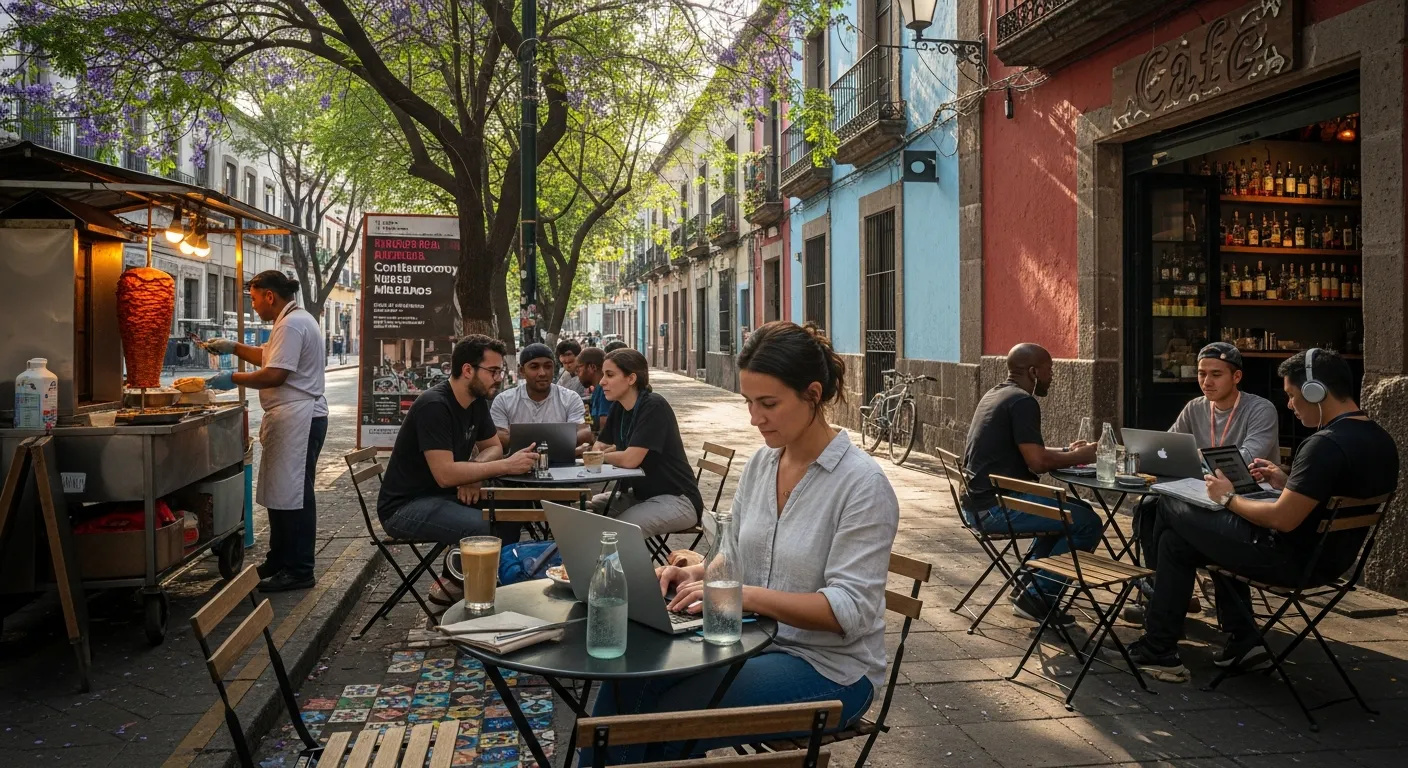
Agua con gas, good Wi‑Fi, and a flat white? Easy. Neighborhoods like Roma, Condesa, and Juárez are full of cafes and co-working spaces where we’ll see a very mixed crowd: Mexican designers, Black software engineers from Atlanta, Asian founders on calls with Europe, and local students all working side by side.
Practical tips
- Where to stay:
- Roma / Condesa for walkability and cafes.
- Juárez for slightly more local vibe and great bars.
Boutique hotels and Airbnbs usually range $60–$150/night.
- Don’t skip:
A day trip to Teotihuacan to see the ancient pyramids. Go early to beat the heat and crowds: tours from CDMX start around $40–$70.
- Getting around:
Use Uber, Didi, or inDrive: they’re inexpensive and easy. The metro is cheap and fast but can be very crowded during rush hour.
Oaxaca City And Surrounds: Slow Travel, Mezcal, And Mountain Villages
Where Mexico City buzzes, Oaxaca City breathes slowly.
We wander past pastel buildings, stop at a corner stall for memelas, and suddenly find ourselves in a courtyard mezcal bar, learning about agave from a family that’s been distilling for generations.
Why we love it
- Indigenous culture & craft
Markets like Mercado 20 de Noviembre and Mercado Benito Juárez are full of mole pastes, chocolate, and textiles from Zapotec and Mixtec communities. We can actually meet the artisans, not just buy their work.
- Mezcal, but thoughtfully
Instead of a random bar crawl, we prefer small-group or private tours to villages like Santiago Matatlán. We taste smoky, floral, and herbal mezcals, and see how agaves are roasted and crushed. Expect $40–$100 depending on the tour.
- Mountain air & day trips
The region around Oaxaca offers hikes, waterfalls, and traditional villages. Spots like Hierve el Agua (currently open/closed depending on community decisions, so we check before we go) give us surreal mineral pools overlooking canyons.
Practical tips
- Best for:
Slow travel, food-focused trips, and anyone craving a deeper cultural connection.
- Budget:
Comfortable guesthouses sit around $40–$90/night, with street food meals under $5.
- Timing:
If we can, we aim for Día de los Muertos (late Oct–early Nov) or Guelaguetza (July), but book very early. These are intense, colorful times to be in the city, with parades, costumes, and altars everywhere.
Yucatán Peninsula: Cenotes, Mayan Ruins, And Beach Towns Beyond The Resorts
The Yucatán Peninsula is probably what many of us picture when we think “Mexico vacation”: blue water, white sand, and ancient ruins rising from the jungle.
But beyond the big all-inclusive scene in Cancún, there’s a more interesting, flexible side of Yucatán for curious travelers.
Highlights
- Chichén Itzá & Mayan history
Yes, it’s popular, and yes, it’s worth it. We go early (gates usually open around 8 a.m.) to see El Castillo before the midday sun. Many tours combine it with a swim in a nearby cenote.
- Cenotes
These natural sinkholes are some of the most magical swimming spots we’ve found anywhere. Near Valladolid and Tulum, we can rent a bike or hire a taxi to hop between them. Entrance fees are usually $5–$15.
- Beach towns beyond the mega-resorts
- Tulum: Has gone premium/boho, with beach clubs and stylish stays. Great if we want design-forward hotels and nightlife, but prices are high.
- Playa del Carmen: More developed, with an active digital nomad scene and decent co-working spots.
- Isla Mujeres & Isla Holbox: More chill islands for biking, sunsets, and long beach walks.
Practical tips
- Base ideas:
- Valladolid for a quieter, charming colonial town near cenotes and ruins.
- Mérida for a cultural city base with access to both cenotes and Gulf beaches.
- Costs:
Budget stays from $40–$70/night, nice boutique options around $100–$200 in popular areas.
- Getting around:
Renting a car is common (and gives us freedom), but buses like ADO connect major hubs reliably if we’re not comfortable driving.
Baja California Sur: Desert Meets Ocean In La Paz, Todos Santos, And Los Cabos
In Baja California Sur, the landscape feels like a film set, rugged cliffs, tall cardón cacti, and the Sea of Cortez shimmering in impossible shades of blue.
This is where we go when we want more nature, less humidity, and the chance to see whales.
Where to go
- La Paz
Under-the-radar compared to Cabo, with a beautiful malecón (seafront promenade). We can take boat trips to Isla Espíritu Santo for snorkeling with sea lions, or just wander the waterfront at sunset with locals.
- Todos Santos
A small artsy town in the desert with surf beaches, galleries, and cafes. It attracts an international crowd, remote workers, Mexican artists, Black and Asian American creatives looking for a quieter base than LA.
- Los Cabos (Cabo San Lucas & San José del Cabo)
Known for luxury resorts and iconic rock formations at El Arco. We can go full-resort mode, or stay in a smaller guesthouse and spend our days exploring beaches.
Nature experiences
- Whale watching
Between roughly January and March, we can see gray and blue whales off Baja‘s coast (especially around Loreto and Magdalena Bay). Tours run $60–$120 depending on length.
- Kayaking & snorkeling
The Sea of Cortez has calm, clear water and rich marine life, perfect for kayak trips or SUP sessions.
Practical tips
- Best for:
Ocean lovers, adventure seekers, and anyone who wants that desert-meets-sea aesthetic.
- Getting there:
Fly into Los Cabos (SJD) or La Paz (LAP). It’s often easiest from West Coast cities.
- Budget:
Mid-range hotels often fall between $80–$180/night, with luxe resorts much higher if we’re splurging.
Central Highlands: Guadalajara, San Miguel De Allende, And Nearby Pueblos
If we’re drawn to plazas, church towers, rooftop cocktails at golden hour, and small galleries, the Central Highlands feel like a dream.
Guadalajara & tequila country
Guadalajara, Mexico’s second-largest city, blends tradition and youth culture.
- We listen to mariachi in Plaza de los Mariachis and wander the historic center.
- We take a day trip to Tequila, where blue agave fields roll out to the horizon. Tours (by train or bus) often include distillery visits and tastings for $60–$120.
There’s also a rising creative scene, coffee shops full of laptop workers, design boutiques, and nightlife that goes late.
San Miguel de Allende & Guanajuato
San Miguel de Allende is pure storybook: cobblestone streets, pastel facades, and the pink spires of Parroquia de San Miguel Arcángel rising above town.
- It attracts a mix of Mexican artists, U.S. and Canadian retirees, younger remote workers, and travelers of all backgrounds looking for a slower, design-forward life.
- Rooftop bars are the move here. We grab a mezcal and watch the city glow at sunset.
Nearby Guanajuato City twists through narrow alleyways and even has underground roads. It’s more student-y, with a vibrant street life and festivals.
Practical tips
- Best for:
Culture, architecture, and anyone who loves a small city with a strong sense of place.
- Budget:
Guesthouses in historic centers often start around $60–$120/night.
- Season:
Evenings can get cool, especially in winter, so we pack a light jacket.
Chiapas: Lush Jungles, Waterfalls, And Living Indigenous Culture
For those of us craving something wilder, Chiapas is one of Mexico’s most dramatic regions.
We wake up in San Cristóbal de las Casas, cool mountain air spilling into our hotel courtyard. After a breakfast of pan dulce and strong coffee, we head out past colorful facades and markets where Tzotzil and Tzeltal women sell handwoven textiles.
Why it’s special
- Living indigenous culture
Nearby villages like San Juan Chamula and Zinacantán offer a window into local traditions. We go with a respectful guide, dress modestly, and avoid intrusive photos.
- Ruins in the jungle
Palenque sits in lush tropical forest, with howler monkeys calling from the canopy. It feels more “lost city” than some of the more famous sites. - Waterfalls & nature
Spots like Agua Azul and Misol-Ha offer powerful, cascading blue waters. Conditions can change with rain, so we check current info locally.
Practical tips
- Best for:
Nature lovers and travelers who’ve already done Mexico’s “greatest hits” and want something rawer.
- Budget:
Chiapas is generally more affordable: comfortable stays from $25–$60/night, meals under $5–$8.
- Safety & logistics:
Roads can be winding, and protests or blockades sometimes affect routes. We keep plans a bit flexible and stay in touch with our hotel or local guides for up-to-date info.
How To Choose The Best Place In Mexico For Your Style Of Trip
With so many incredible options, how do we actually choose where to go in Mexico?
We can start by asking a few questions:
- Beach or city (or both)?
- Beach-first: Riviera Maya, Yucatán beaches, Baja California Sur, Puerto Vallarta.
- City-forward: Mexico City, Guadalajara, Mérida, Oaxaca City, San Miguel de Allende.
- How much culture do we want baked in?
- Heavy on history & indigenous culture: Oaxaca, Chiapas, Yucatán ruins, Teotihuacan from CDMX.
- More lifestyle vibes with culture on the side: San Miguel, Tulum town, Todos Santos, Playa del Carmen.
- What’s our energy level?
- High: hopping between museums, bars, and markets in Mexico City or Guadalajara.
- Medium: a week in Oaxaca City or San Miguel, mixing slow mornings with day trips.
- Low: a beach bungalow in Holbox or La Paz with a few boat trips sprinkled in.
- Budget & trip length
- On a budget: Chiapas, Oaxaca, and some inland cities stretch our dollars.
- Balanced: Combo of city + beach, mixing street food with a couple of splurges.
- Treat yourself: Boutique hotels in San Miguel, luxury eco-stays in Tulum, or high-end resorts in Los Cabos.
From there, we pick 1–2 anchor destinations for a 7–10 day trip and resist the urge to do everything at once. Mexico rewards depth over speed.