

If our group chats had a passport, it’d be full. We’ve been scoping the best travel destinations Europe 2025 has on offer, not just for a quick vacation, but with a side-eye toward places we could actually live for a few months (hello, expat fantasy). We’re chasing culture without chaos, nature without the tent-in-a-hurricane vibe, and food that makes us consider an extra suitcase for cheese. Here’s where we’re going, what’s new in 2025, and smart ways to dodge the crowds while keeping things easy on the wallet, and the calendar.
2025 Trends, Events, and How We Chose

Europe in 2025 is shaping up to be the year of smart travel: more night trains, better contactless payments, and cities getting serious about overtourism. Venice is piloting day-tripper fees on select days, many hotspots now limit large group visits, and shoulder seasons are the new peak, so we leaned into spring and fall.
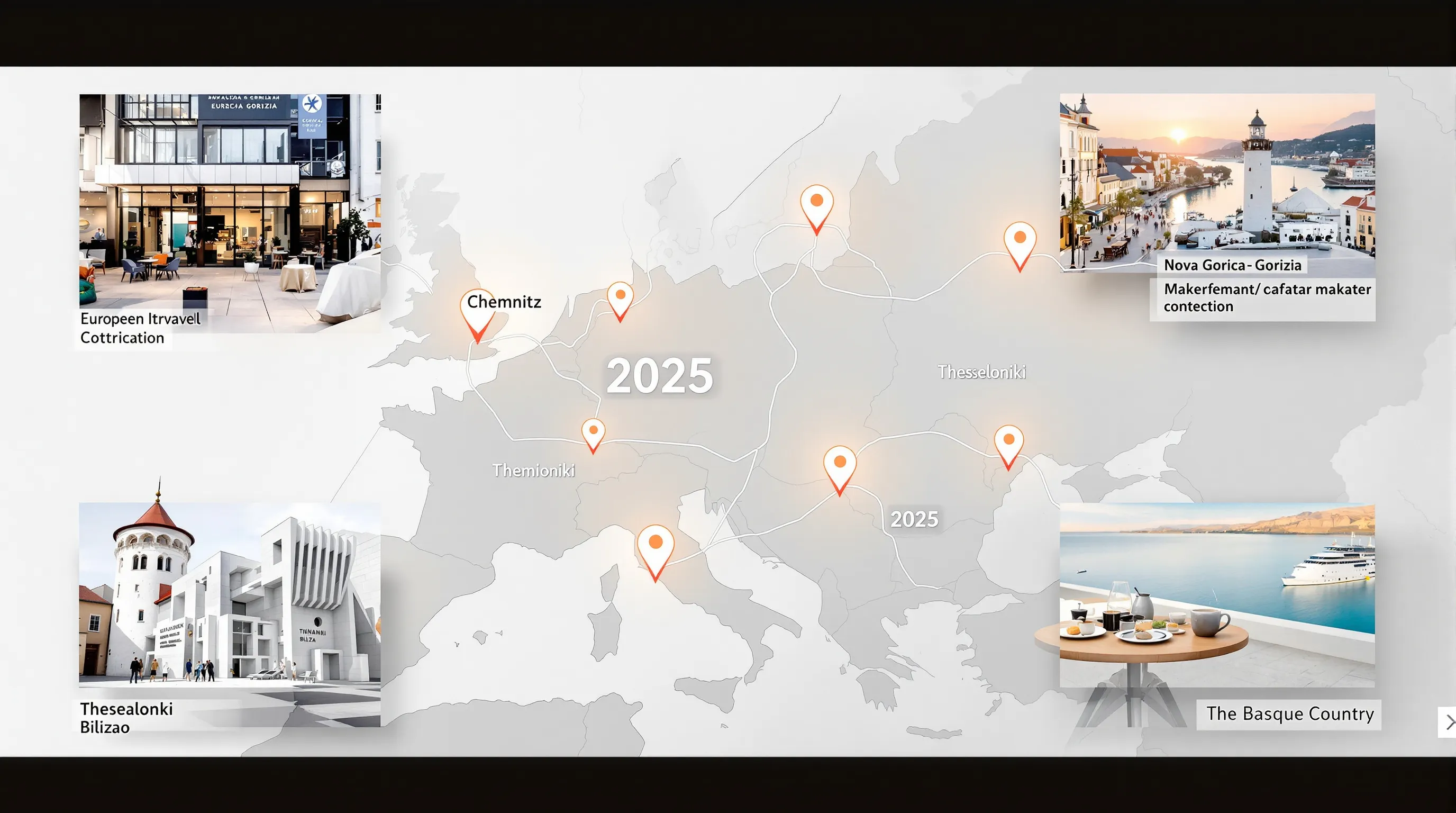
Two big cultural anchors: Chemnitz (Germany) and the twin city project of Nova Gorica (Slovenia) and Gorizia (Italy) are European Capitals of Culture, which means festivals, public art, and a ton of programming all year. Those alone could carry a trip.
We picked destinations using three filters: 1) fresh cultural energy in 2025, 2) great outdoors with easy logistics, and 3) value for Americans, with the U.S. dollar still relatively strong versus the euro compared with the late 2010s. Plus, we factored in the expat daydream, walkable cities, good healthcare access, reliable internet, and communities where English gets you by without being “that tourist.”
One admin note: ETIAS (the EU’s upcoming travel authorization) is slated to roll out in 2025. Timelines can shift, so check official guidance before booking to keep your entry smooth.
Top City and Culture Hotspots for 2025
Chemnitz, Germany
Chemnitz is having a glow-up. As a 2025 European Capital of Culture, it’s rolling out new museums, reimagined industrial spaces, and neighborhood festivals that showcase Saxony’s design chops. Expect street art, maker markets, and open studios alongside day trips to Ore Mountains villages. It’s also good value: rents and hotel rates sit way below Berlin or Munich, which makes it appealing if we’re test-driving expat life without selling a kidney. Tip: pair with Leipzig or Dresden via quick rail hops for a mini “Saxony triangle.”
Nova Gorica and Gorizia, Slovenia and Italy
Two countries, one party. GO. 2025 links these border cities with concerts, food fairs, and cross-border art you can literally walk between. Coffee in Italy, dinner in Slovenia? Don’t threaten us with a good time. The Soča Valley’s surreal turquoise river is nearby for rafting or hiking, and Trieste is an easy add-on. For longer stays, Slovenia’s compact size and excellent transit make weekend getaways effortless.
Thessaloniki, Greece
Athens gets the headlines: Thessaloniki gets our stomachs. Greece’s second city blends Byzantine history, sea views, and a food scene that will have us Googling “how much pita is too much pita.” It’s walkable, spirited, and affordable by Greek city standards. Day trip to Halkidiki’s beaches, linger in the Ladadika district, and don’t miss bougatsa for breakfast. For remote workers, the cafe culture is A+ and the vibe is less frenetic than the capital.
Basque Country, Spain
From Bilbao’s Guggenheim curves to San Sebastián’s pintxo bars, the Basque Country hits the culture-food-scenery trifecta. Surf in Zarautz by day, bar-hop Old Town by night, then hike the Flysch cliffs of Zumaia for cinematic coastlines. It’s pricier than some of our other picks, but the payoff is huge. If we’re flirting with expat life, Bilbao’s tram, bike lanes, and libraries make everyday living pretty civilized.
Best Nature and Outdoor Escapes
Azores, Portugal
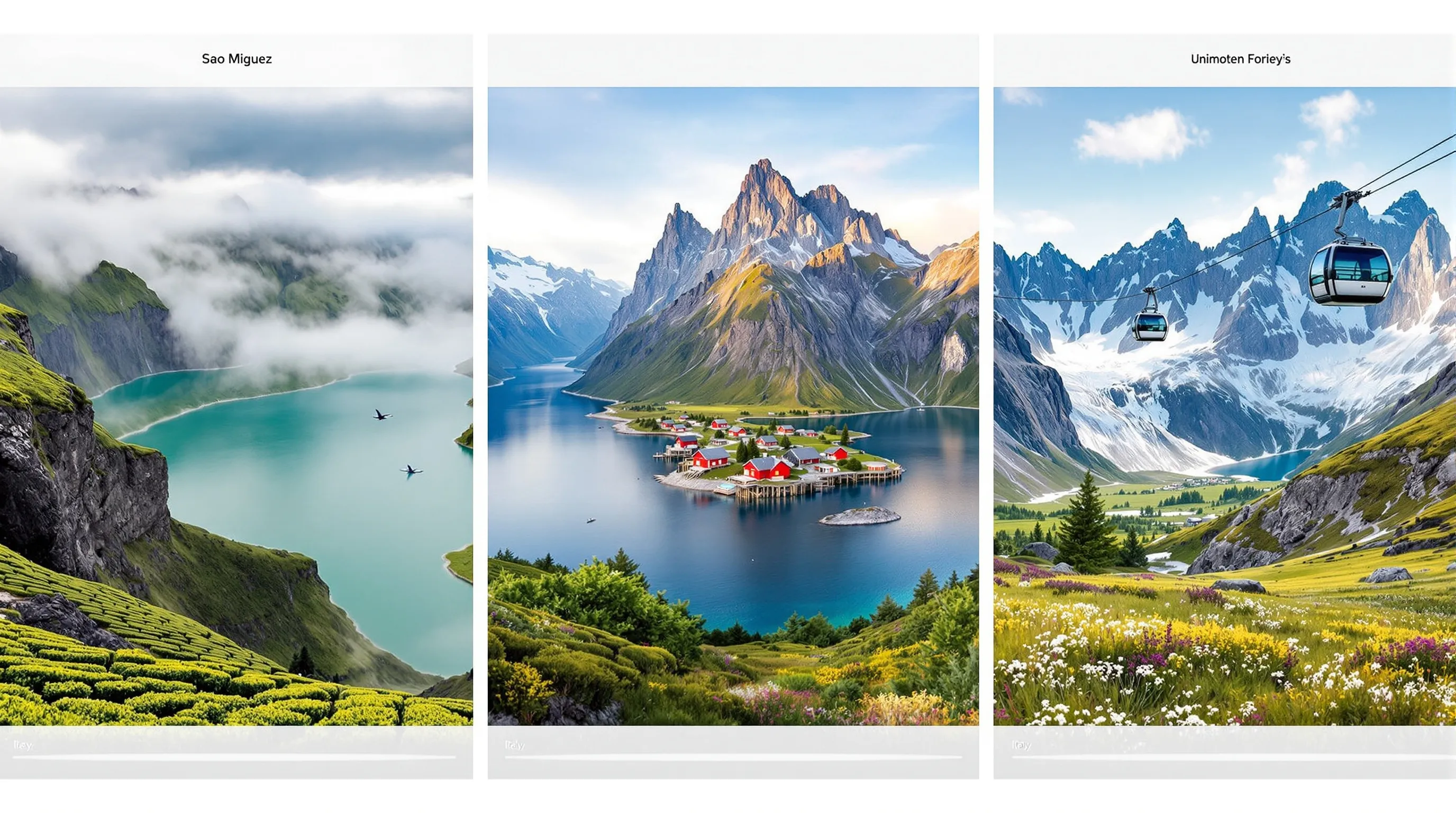
Mid-Atlantic magic with Portuguese pastries, that’s the Azores. São Miguel’s crater lakes, tea plantations, and hot springs make an easy base with rental cars and frequent flights from Lisbon. We love shoulder season here: fewer crowds, steady temps, and whale watching in spring. Bring layers: weather flips more than our group’s dinner plans.
Lofoten Islands, Norway
Jagged peaks straight out of a fantasy map, red rorbu cabins, and midnight sun hikes, Lofoten is summer perfection. Rent a car, pencil in Reinebringen and Kvalvika Beach, and consider a sea kayaking day. Prices are high (Norway gonna Norway), but splitting a cabin helps. Photographers: you’ll run out of memory cards before vistas.
Dolomites and South Tyrol, Italy
The Dolomites are that rare place that looks Photoshopped in real life. Base in Val Gardena or Alta Badia: hike Seceda, take the Sass Pordoi cable car, then treat yourself to Ladin cuisine and a wellness hotel sauna. Shoulder seasons shine here, with wildflowers in June and fiery larch trees in October. Bonus: excellent transit from Verona, Bolzano, or Innsbruck.
Where to Go Instead of the Crowds
Albanian Riviera Instead of Amalfi
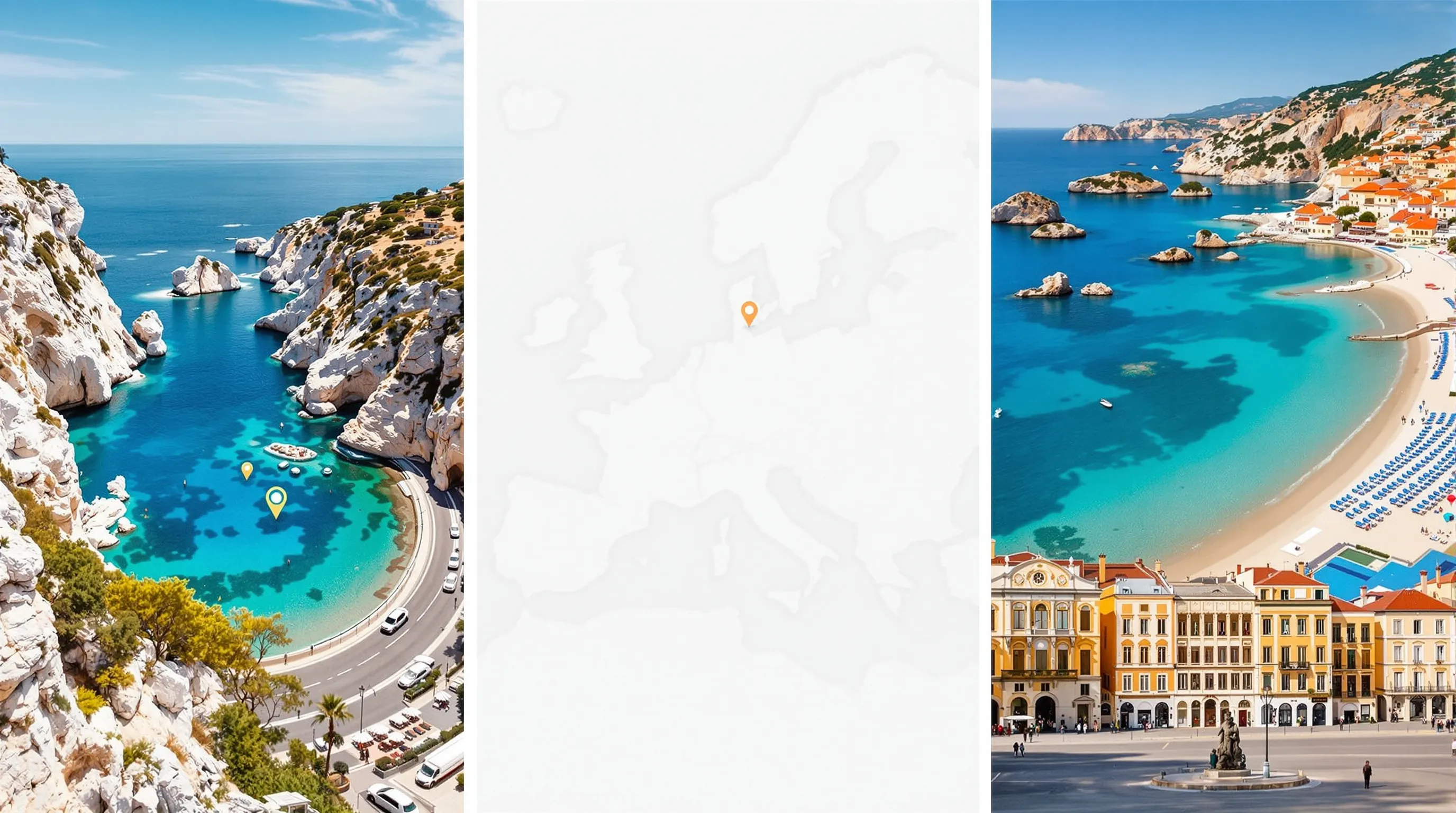
Amalfi is gorgeous, and gridlock. The Albanian Riviera gives similar drama for a fraction of the price. Base in Himarë or Dhërmi, rent a car, and hop between beaches like Gjipe and Livadhi. Seafood is fresh, espresso is €1-ish, and you’ll still find quiet coves. Roads are winding but views are chef’s kiss.
Puglia’s Ionian Coast Instead of Santorini
Santorini’s great in photos, less great when you’re wedged between 5,000 selfie sticks. Puglia’s Ionian side, around Gallipoli and Porto Cesareo, delivers clear water, baroque towns, and beach clubs where locals actually go. Add Lecce for golden-stone architecture and orecchiette with cime di rapa. You’ll save money and sanity.
Wroclaw, Poland Instead of Prague
We adore Prague, but Wroclaw’s colorful Market Square, river islands, and 300+ cheeky dwarf statues make it a charmer with fewer bus tours. Breweries, student energy, and a compact Old Town mean big weekend vibes. Prices are kind on the wallet, trams are simple, and English is widely understood in the center.
When to Go and Sample Weeklong Itineraries
Spring: Northern Portugal and the Azores
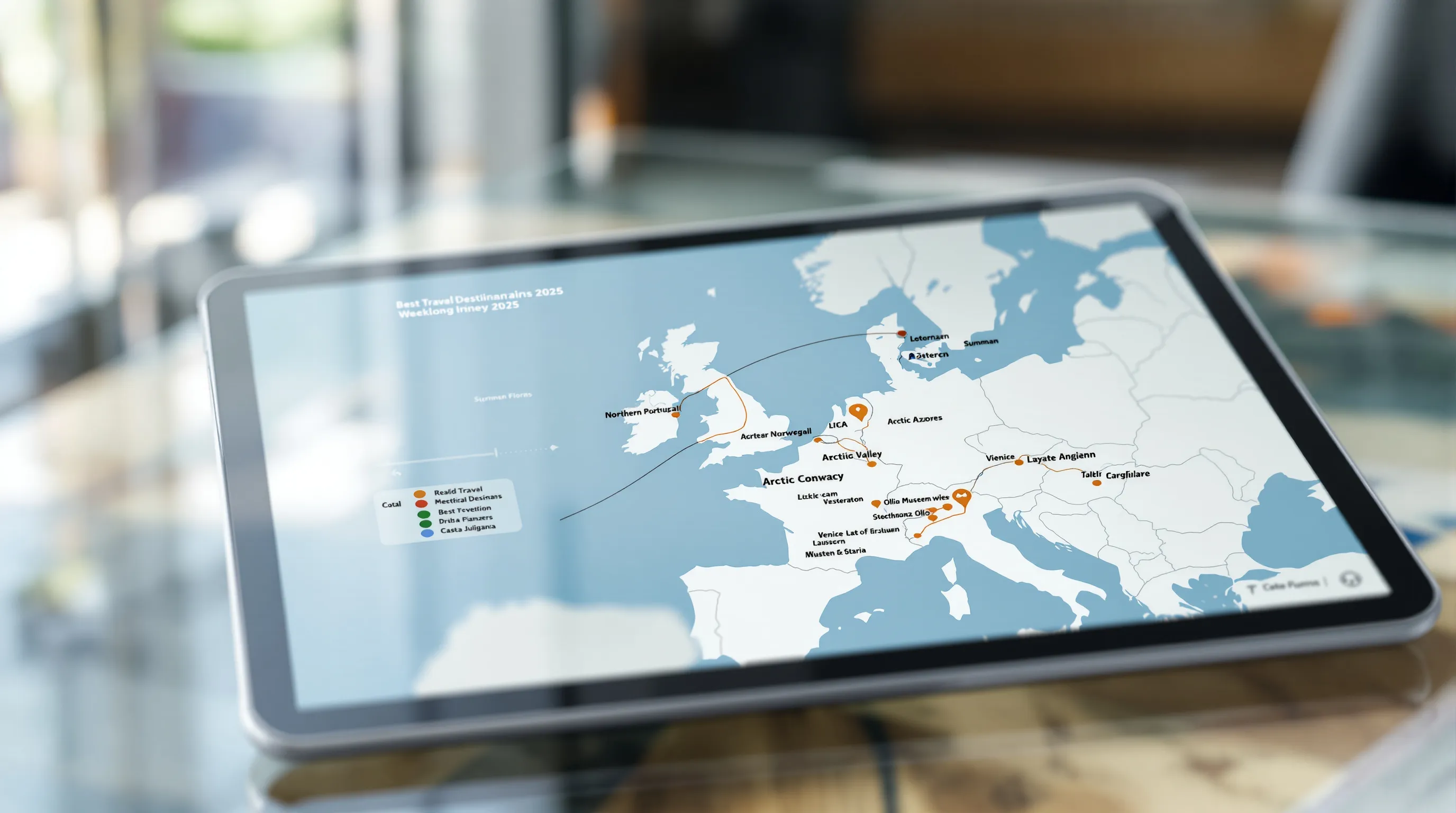
Fly into Porto. Days 1–2: Port wine lodges, Ribeira strolls, day trip to Guimarães or Braga. Day 3: Douro Valley by train or car: stay overnight at a quinta. Days 4–7: Hop to São Miguel, Azores, Sete Cidades, Furnas hot springs and cozido, Whale Watching in Vila Franca do Campo. Shoulder-season prices, green landscapes, and fewer crowds.
Summer: Arctic Norway and the Nordics
Days 1–3: Lofoten, Reinebringen hike, Henningsvær galleries, kayaking. Day 4: Ferry/drive to Vesterålen for whales. Days 5–7: Fly to Oslo or Stockholm for museums and urban picnics. Aim for late June to early August for midnight sun: book cabins and cars early. Pack light layers: it’s bright, breezy, and addictive.
Autumn: Venice, Trieste, Istria, and Ljubljana
Day 1: Venice in October, early mornings at Rialto, evening cicchetti away from San Marco. Day 2: Train to Trieste for Viennese-style cafes and Miramare Castle. Days 3–5: Rent a car into Istria (Rovinj, Motovun, truffle season.). Days 6–7: Ljubljana’s riverfront, Lake Bled day trip. Cooler temps, harvest festivals, and no molten sidewalks.
Practical Planning Essentials for 2025
- Entry rules: Americans get 90 days in any 180-day period in the Schengen Area. ETIAS (a low-cost online authorization) is slated for 2025, check official sites for the latest before you fly. The EU’s Entry/Exit System is also being phased in: plan extra time at borders while it’s new.
- When to book: For June–August, book flights 3–6 months out: for shoulder seasons, 1–3 months often hits the sweet spot. Trains in Italy/Spain/France open 60–120 days ahead, and high-speed seats can sell out.
- Trains vs. cars: Night trains are expanding (think Paris–Berlin, Zurich connections). Eurail Mobile Pass is convenient, but some routes require seat reservations, budget for those. Rent cars for rural zones like the Azores, Dolomites, or Istrian hill towns.
- Money: Cards and contactless are standard. Still carry a chip-and-PIN card and a little cash. ATMs beat currency kiosks: decline dynamic currency conversion.
- Heat and crowds: Southern Europe gets hot. Go early/late in the day, book skip-the-line entries, and aim for spring/fall. Northern coasts and mountain regions are ideal summer bases.
- Tech: Grab an eSIM (Airalo, Holafly) for data on arrival. Download offline maps and transit apps: Google Translate’s camera mode is clutch for menus.
- Power: Europe mostly uses Type C/F plugs at 230V. Bring a universal adapter and a small power strip.
- Tipping: Round up or 5–10% in many places: check if service is included. No need to go full 20% everywhere.
- Insurance: Medical and trip coverage is a good idea. EU hospitals are excellent, but out-of-pocket costs can sting.
- Expat curious: Digital nomad visas exist in Portugal, Spain, Greece, and Croatia, among others. Requirements change often: check consular pages. Target mid-sized cities (Bilbao, Thessaloniki) for lower rents and easy living.
Conclusion
The best travel destinations Europe 2025 offers aren’t just the usual suspects, they’re places where we can breathe a little, eat a lot, and maybe try on a different life for a week (or three). If we’ve learned anything, it’s this: go earlier or later, swap the headliners for their brilliant neighbors, and say yes to night trains and truffle festivals. Pack curiosity, a light jacket, and a healthy appetite. We’ll see you at the pintxo bar, first round’s on us.