
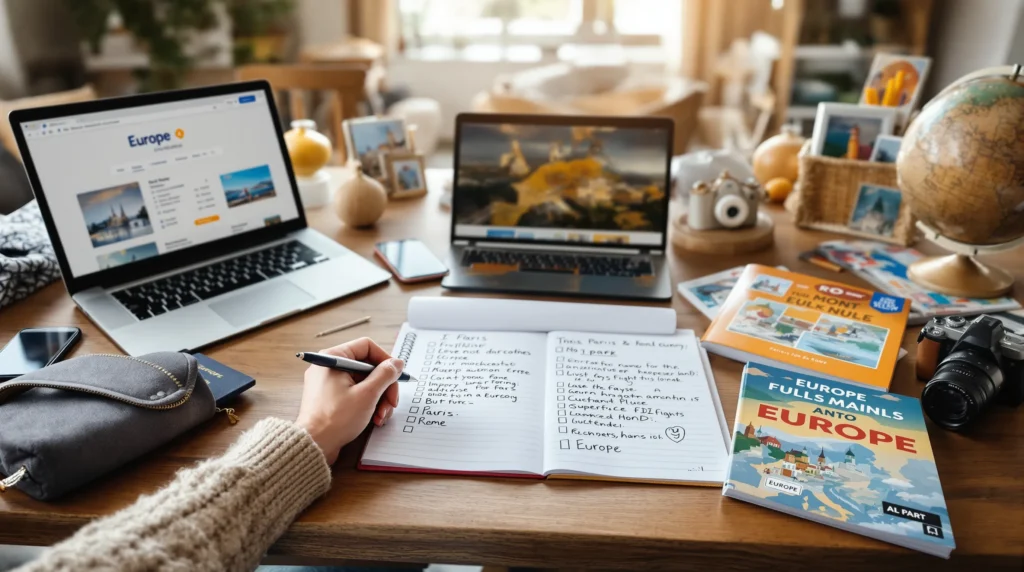
Planning a trip to Europe can feel like a monumental task, especially with so many incredible destinations and experiences to consider.
But, with the right preparation, you can transform any stresses into excitement and anticipation for your adventure. This guide is packed with essential tips and checklists that will ensure your European journey is as smooth and enjoyable as possible, so you can focus on making memories rather than managing logistics.
How to Plan a Stress-Free European Trip
Planning a trip to Europe entails more than just choosing cities to visit. It’s about weaving together experiences that resonate with your passions and interests. To kick off this adventure, let’s break down the planning process into manageable chunks.
1-6 Months Out: Preparation
The earlier you start preparing, the smoother your experience will be.
Documents:
First, ensure your passport is valid for at least six months beyond your expected return date. If your travels include non-Schengen countries, check if you need a visa. For those considering a road trip, securing an International Driving Permit can save potential headaches.
Budgeting:
Next, take a comprehensive look at your anticipated expenses. Flights, accommodations, meals, and attractions are the main categories to consider. Interestingly, you’ll find that dining in Europe is often lighter on your wallet compared to the United States, allowing for more culinary exploration.
Destinations:
Narrowing down your must-see places can help focus your plans. Consider starting with one to two cities, like Paris and Rome, if it’s your first trip, and think about mixing city experiences with nature wonders to balance your itinerary.
Flights/Accommodations:
Booking your flights and accommodations early can save you money and stress down the line. Also, consider split stays in larger cities to maximize your experiences, as this allows you to explore various neighborhoods.
6 Weeks Out: Bookings
As your departure date approaches, it’s time to start securing your bookings for a more tailored experience.
Tours/Tickets:
For popular attractions, consider pre-booking tickets via platforms like GetYourGuide. This can save you from long lines at major museums and concerts.
Transport:
Decide on your mode of transport, look into rail passes for extensive travel, or if you’re opting for a road trip, familiarize yourself with local transit options like Uber or public transport systems.
1-2 Weeks Out: Itinerary & Packing
With your bookings lined up, it’s almost time to hit the road. But first, finalize your itinerary and pack wisely.
Itinerary:
Balance sightseeing with downtime in your itinerary. Make a map of your planned routes to optimize travel time between attractions.
Packing Essentials:
Be sure to bring comfortable walking shoes, as you might find yourself racking up over 20,000 steps a day. A versatile packing strategy includes layers to adapt to changing weather, a rain jacket, and adequate power adapters. And don’t forget your swimsuit and flip-flops if you plan to indulge in Europe’s lovely spa culture.
On Arrival
Once you land, allow your exploration to unfold flexibly. Don’t just stick to the attractions: sometimes getting lost leads to the best of adventures. Use navigation apps and translation tools to connect authentically with your surroundings.
Follow this guideline to minimize stress and adjust your plans based on the season and region you’re visiting.
Checklist for a Trip to Europe

Now that your preparations are underway, here’s a comprehensive checklist to keep you on track.
Six Months Before:
- Make the Necessary Arrangements:
- Budget:
- Choose Your Destinations:
Four Months Before:
- Book flights and accommodations
- Start looking for affordable flights, and know the peak seasons.
- Secure accommodations – consider boutique hotels or cozy Airbnbs
Six Weeks Before:
- Finalize Tours and Transport
One Month Before:
- Itinerary:
Travel Tips: Packing and Cultural Customs
Packing List:
- Clothing: Comfortable walking shoes, versatile clothing suited for layering, swimwear, and evening options for dining out.
- Gear: Phone charger, travel adaptor, reusable water bottle, travel journal.
- First-aid kit: Basic medication, hand sanitizer, and any personal prescriptions.
Cultural Considerations
- Learn basic phrases: Knowing a few words in local languages can enhance interactions.
- Respect local customs: Familiarize yourself with dress codes or etiquette specific to countries you’re visiting

Summary
- Start early: The earlier you begin your planning, the less stressful your trip will be.
- Budget wisely: Keep an eye on your expenses while still leaving room for spontaneity.
- Be flexible: Allow yourself the freedom to explore, make changes, and immerse fully in European experiences.