
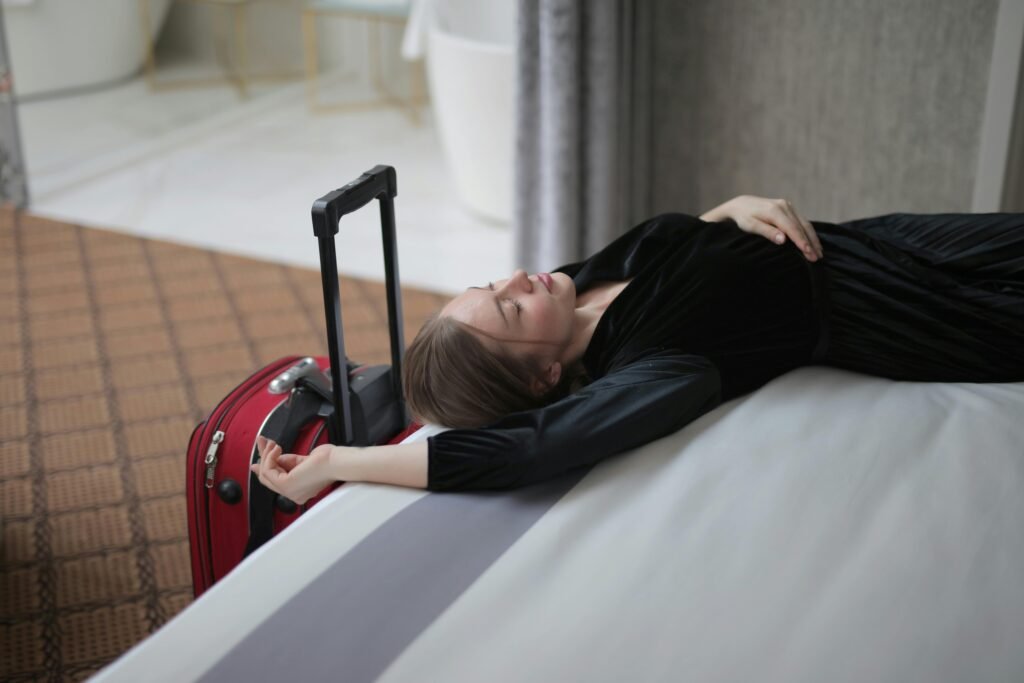
Imagine landing in a vibrant new city, excited to explore, but instead, you feel like you’ve been hit by a bus.
You can barely keep your eyes open, your body insists it’s midnight when it’s bright and sunny outside, and your brain? Well, your brain has apparently gone on holiday without you. Ah, yes, jet lag, every traveler’s unwelcome companion.
But fear not. With a bit of preparation and some savvy strategies, you can kick that pesky jet lag to the curb and make the most of your adventures. Let’s jump into how you can arrive refreshed and ready to tackle everything from local cuisine to sightseeing.
Understanding Jet Lag
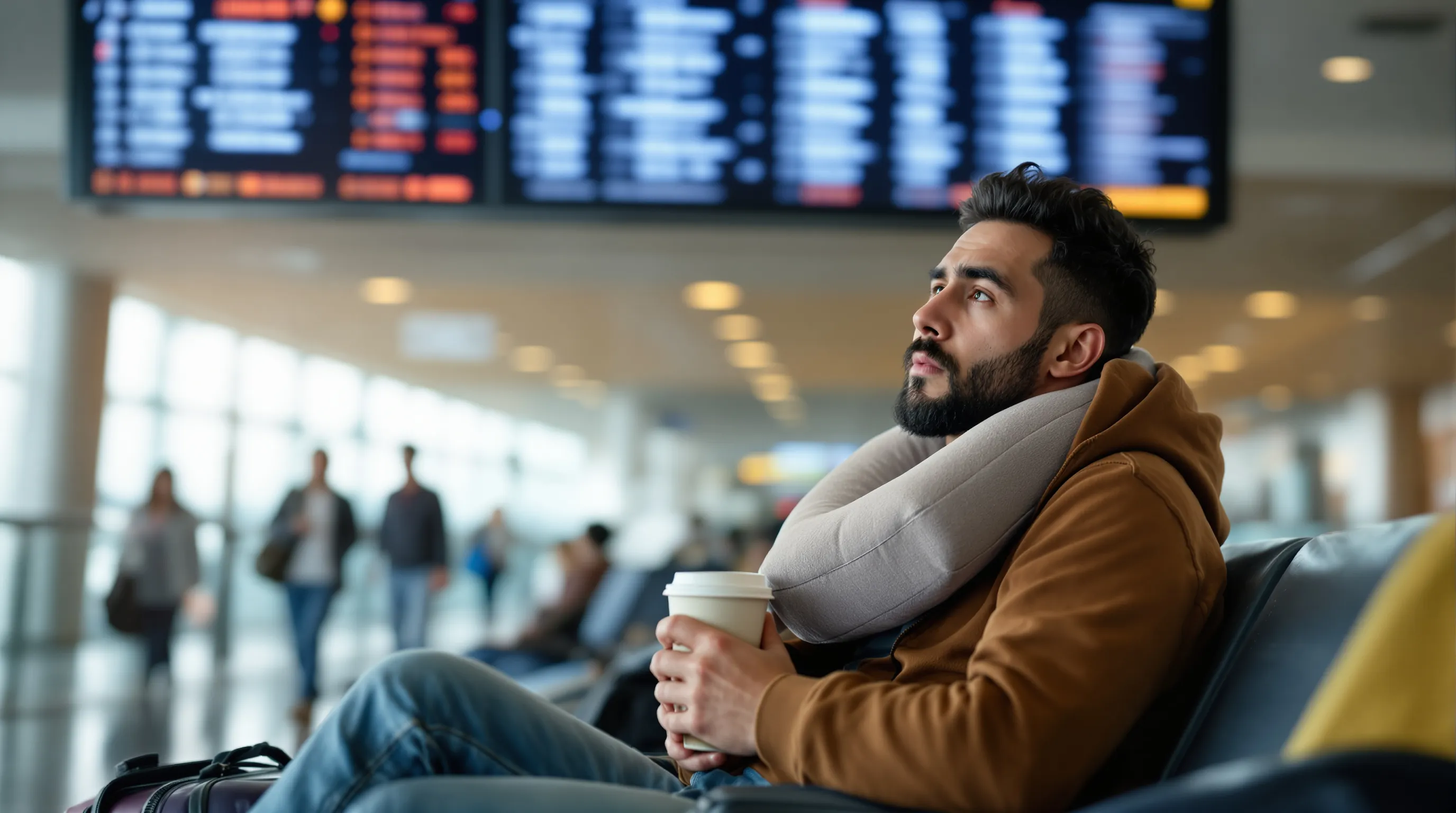
Jet lag isn’t just a buzzkill: it’s a disruption to your body’s natural rhythm. When you cross multiple time zones, your internal clock (known as your circadian rhythm) struggles to keep pace with the local time.
What Causes Jet Lag?
When you travel east, the day gets shorter, which can throw your body clock into a tizzy. Conversely, when you fly west, the day stretches out, typically making jet lag a little less severe. Still, whether you’re hopping over to Europe or heading west to Asia, you’ve got a frenemy in jet lag that you need to tackle head-on.
Symptoms of Jet Lag
The unfortunate symptoms of jet lag can put a damper on your travel vibes:
- Difficulty falling or staying asleep
- Daytime sleepiness and fatigue
- General irritability
- Digestive issues (because, why not keep your body guessing?)
Understanding these symptoms helps you prepare for, and hopefully prevent, the dreaded lag.
Pre-Flight Preparations
An ounce of prevention is worth a pound of cure, especially when it comes to jet lag. Start your journey on the right foot with these pre-flight preparations.
Adjust Your Sleep Schedule
Begin adjusting your sleep schedule about three to four days before your trip. Shift your sleep and wake time by 30 to 60 minutes each day towards your destination’s time zone. This isn’t just about snoozing: it’s about getting your body in sync before you even board the plane.
Stay Hydrated
While it might be tempting to indulge in a few celebratory cocktails before departure, limit your alcohol and caffeine. Instead, drink plenty of water, which not only combats dehydration but also aids in keeping your energy levels steady.
Pack Wisely
A few thoughtful items in your carry-on can make all the difference. Consider including:
- An eye mask to block out annoying cabin lights
- Noise-canceling headphones to drown out the roar of the jet engines
- A neck pillow for easier sleep on those cramped airline seats
- Comfortable clothing so you can stretch out and relax
This thoughtful packing will enhance your in-flight comfort and help you catch some z’s.
During Your Flight
Once you’re airborne, it’s time to manage how you handle the flight itself.
Manage Your Sleep on the Plane
If you’re flying east and it’s bedtime at your destination, embrace the snooze. If it’s daytime where you’re heading, stay awake and enjoy the in-flight entertainment. This proactive approach keeps your body from thinking it’s still on home time.
Stay Active
Don’t let cramped cabin conditions inspire a catnap, or worse yet, a leg cramp. Get up, walk the aisle, and do some light stretches. Your legs (and your fellow passengers) will thank you.
Eat Smart
Timing is everything when it comes to meals. Schedule your eating according to the meal times at your destination rather than just munching mindlessly on airplane snacks. Fuel your body with light, healthy meals to ease the transition. Your future self will be grateful.
Remember, you’re not just in a metal tube in the sky: you’re preparing your body to adapt.

Post‑Flight Recovery Strategies
You’ve landed, and with a bit of luck and preparation, you’re feeling better than you expected. But your work isn’t quite done yet. Here’s how to enhance your post-flight recovery.
Adapt to the New Time Zone
If your trip is longer than three days, dive straight into the local time zone. Skip the long naps, if you must rest, limit it to a quick 20–30-minute power nap before mid-afternoon. Instead, fill your day with local meals and activities to help your body adjust.
Use Light Exposure to Your Advantage
Timing your light exposure is a game-changer. After eastward travel, avoid bright morning light initially and seek out bright light in the afternoon. If you traveled west, soak up daylight and fight off sleep until local evening. Think of it like adjusting your living room lighting to set the mood (not that we’re encouraging actual mood lighting at 8 a.m.).
Consider Supplements and Remedies
Melatonin can be beneficial in easing jet lag. Taking two to five milligrams of melatonin at your new local bedtime for a few nights can help you adjust more smoothly. For some, short-acting sleep aids are an option, but always consult with a healthcare provider first.
Manage Jet Lag Like a Pro
Navigating jet lag might seem like an uphill battle, but with these tips in your travel arsenal, you’ll be soaring through time zones like a seasoned pro. Embrace the joy of exploration, and don’t let fatigue steal your travel thunder. With some thoughtful preparation before you take off, smart choices during your flight, and post-trip recovery strategies, jet lag doesn’t stand a chance. Here’s to new adventures, well-rested bodies, and memories waiting to be made on the other side of the globe.