
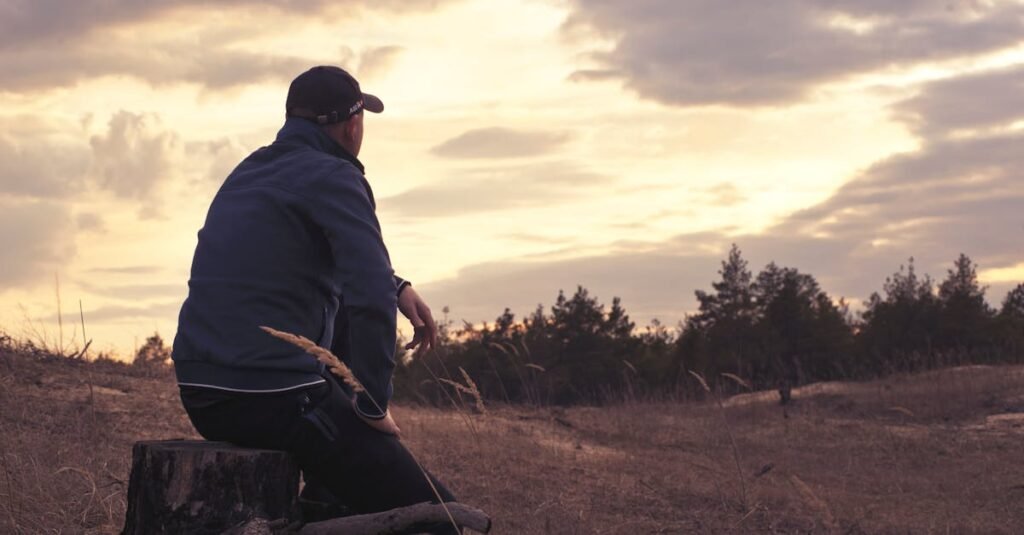
You book the ticket. You picture yourself sipping coffee on a sunlit square in Lisbon, or watching Tokyo wake up from a quiet side street. And then the question surfaces: is solo travel lonely? Sometimes, yes. But not in the way you might fear, and often with far more connection than you’d expect. With the right mindset and a few smart moves, you can turn alone time into a superpower and meet people without forcing it.
What Loneliness Really Looks Like When You Travel Alone
Loneliness on the road isn’t a constant state: it’s a passing weather system. You might feel it at 6 p.m. when the sun drops and restaurants fill with couples. Or on a long train ride when there’s no one to nudge and say, “Look at that.“ That doesn’t mean solo travel is inherently isolating.
Here’s the nuance: if you’re already comfortable spending time with yourself at home, you’ll probably handle quiet pockets well abroad. If you struggle with everyday loneliness, the idea of traveling alone can feel intimidating. But surveys and traveler reports show there isn’t a neat correlation, plenty of people who worried about feeling isolated ended up loving the freedom, while others learned to course-correct with small changes like booking a social activity every other day.
The real shift is this: loneliness becomes manageable when you see it as information, not a verdict. If your evenings feel empty, that’s your cue to join a walking tour at 5 p.m., pick a hostel with a kitchen, or eat at the bar where conversation happens naturally.
Solo, Not Alone: Where Connection Happens Naturally
You don’t have to be an extrovert to meet people on the road. Choose frictionless, built-in social settings, places and experiences designed for connection.
- Group tours and day trips: Low commitment, high payoff. In Lisbon, a €20–€30 historical walking tour or a €45 Sintra day trip puts you with like-minded travelers for hours, plenty of time for easy conversation. In Kyoto, a small-group tea ceremony or food walk often runs $40–$80 and ends with shared recommendations.
- Social stays: Hostels aren’t just for gap years anymore, many offer private rooms with communal lounges and nightly events. Consider boutique hostels in Barcelona’s Eixample or Tokyo’s Asakusa for curated socials without the chaos. Guesthouses in places like Ubud or Chiang Mai often host family-style dinners.
- Classes and hobby-based meetups: You’ll bond faster when your hands are busy. Think pasta-making in Rome ($65–$95), surf lessons in Tamarindo ($50–$70), or a ceramics class in Seoul ($30–$50). Check Airbnb Experiences, GetYourGuide, and local studios.
- Co-working and cafes: Digital nomad hubs, Mexico City’s Roma Norte, Medellín’s El Poblado, Canggu in Bali, make it easy to talk shop and swap itineraries. Day passes at co-working spaces typically range $10–$25 in Latin America and $20–$35 in major U.S./EU cities.
Destinations like Japan, Portugal, and Taiwan have reputations for safety and kindness toward solo travelers. That vibe matters: when you feel secure, you open up. And when you join a small group, an escorted food tour, a morning hike, a sunset boat ride, you’ll find conversation flows without feeling forced.

Mindset Shifts That Turn Solitude Into Strength
Solo travel is a lab for confidence. A few mental reframes can turn quiet moments into your favorite parts of the day.
- Replace “alone” with “available.“ When you’re solo, you’re open to serendipity: a bookstore chat in Porto, a local inviting you to a community festival, a seat at the chef’s counter you’d never snag with a group.
- Design rituals. Morning jogs along Barcelona’s beachfront, a daily journal page with your coffee, a sunset walk wherever you are, rituals create rhythm and reduce the wobble that can feel like loneliness.
- Treat independence as a skill you’re practicing. You’ll learn you can navigate night buses, reorder a day when it rains, and solve small problems without spiraling. That self-trust follows you home and quietly upgrades everything.
- Choose intentional solitude. Schedule it like an activity: an hour at a neighborhood park, a museum morning with your phone on airplane mode. When alone time is chosen, not accidental, it feels nourishing, not hollow.
Practical Ways To Meet People Without Feeling Awkward
Real talk: walking up to a stranger can feel weird. So build connection into your day where conversation happens as part of the activity.
- Join a group tour or micro-experience: Free walking tours (tip €10–€15) in European cities, street food crawls in Hanoi ($25–$35), neighborhood bike rides in Amsterdam (€25–€40). You’ll have ready-made icebreakers: “What’s your next stop?“ works every time.
- Pick the right seat: Eat at the bar. Sit at communal tables. Choose cafes with long tables (think: Melbourne-style spots across Mexico City and Lisbon). Order something local and ask the server for their favorite, staff often spark introductions.
- Use low-effort apps: Meetup for language exchanges, Couchsurfing Hangouts for casual group meetups, Facebook groups like “Girls Love Travel“ or “Digital Nomads in [City]“ for pop-up dinners, Bumble BFF for finding a museum buddy.
- Stay social by design: Hostels with nightly events, guesthouses with family meals, boutique hotels that host rooftop hours. In Oaxaca, look for cooking school stays: in Split, Croatia, check guesthouses that run island-hopping days.
- Learn something local: A 2-hour tapas class, a dumpling workshop in Taipei, or a tango lesson in Buenos Aires ($15–$30 for group classes). Skill-building breaks the ice, and you’ll leave with a shared memory.
- Volunteer a day: Beach cleanups in Bali, urban garden days in Berlin, or animal rescues in Costa Rica. It’s social, purposeful, and conversation flows without small talk.
Mini script to make it easier: “Hey, I’m traveling solo, mind if I join you?“ Nine times out of ten, people are happy you asked.
Handling Down Days: Simple Routines, Safety, And Boundaries
Not every day will be cinematic. When a low hits, you don’t need to push through, just have a plan.
- Create your baseline: Sleep 7–8 hours, hydrate, and anchor meals. Keep snacks on hand for travel days. A 20-minute walk resets your mood more than doomscrolling will.
- Plan “anchor activities”: Book one thing you’ll look forward to each day, a morning coffee at the same bakery, a 4 p.m. yoga class, a sunset lookout. Consistency calms the nervous system.
- Safety = peace of mind: Share your location with a trusted person, use reputable transport (Bolt, Uber, or city taxis with meters), and keep valuables in a crossbody or money belt on busy metros. Trust red flags. If a plan or person feels off, opt out.
- Boundaries keep you energized: You don’t owe strangers your itinerary, social media handle, or time. A simple “I’m heading out, have a good one.“ is a complete sentence.
- Tech for sanity: Download offline maps, translate apps, and a playlist that feels like home. If you’re working remotely, set clear work hours so you don’t drift and feel aimless.
- Comfort kit: Earplugs for hostels, a lightweight scarf, a tiny candle or familiar tea bags. Small comforts counteract the “nowhere is mine“ feeling.
If loneliness lingers for more than a day or two, switch up your environment: move neighborhoods, try a social stay, or pick a city day pass at a co-working space. Momentum matters.
Conclusion
So, is solo travel lonely? Sometimes, in small doses that tell you what you’re craving, company, routine, or a change of scene. But more often, it’s liberating. You’ll collect quiet mornings, spontaneous dinners, and the kind of conversations that only happen when you’re open to them. The secret isn’t to outrun solitude: it’s to befriend it, then stack your days with human moments that feel easy and real.
If you’re on the fence, start with a soft landing: a friendly city (Lisbon, Tokyo, Taipei), a social stay, and one group experience on your first night. Give yourself two days. Odds are, you’ll surprise yourself.
Travel Tips / Key Takeaways:
- Use the question is solo travel lonely as a prompt to plan connection, not a reason to stall.
- Choose connection-rich choices: group tours, social stays, hobby classes, and bar seating.
- Build gentle structure: sleep, movement, anchor activities, and a simple daily ritual.
- Safety routines free your mind for fun, share your location, trust your gut, set boundaries.
- When a low hits, change one variable: your seat, your neighborhood, or your plan for the evening.
- Remember: solo doesn’t mean alone. You’re just more available to the right moments.
Key Takeaways
- Treat the question “is solo travel lonely?” as a cue to design connection—book one social activity most days and choose communal spaces.
- Pick connection-rich options like group tours, social stays, hobby classes, co-working, and bar seating to spark effortless conversations.
- Reframe solitude as strength—create daily rituals, schedule intentional alone time, and practice independence to build lasting confidence.
- Make meeting people easy: join free walking tours, use low-effort apps and local meetups, and open with simple scripts like “Mind if I join you?”
- Stabilize down days with basics—sleep, movement, and one anchor activity—and change one variable (seat, neighborhood, or evening plan) when a low lingers.
- If you’re wondering “is solo travel lonely?”, start in friendly cities, book a group activity your first night, and set clear safety boundaries to ease in.