

You step out of the airport into the hum of a city that’s both chaos and poetry.
The call to prayer drifts over honking taxis, someone’s selling simit (sesame bread rings) from a cart, and the air smells like grilled meat and sea salt. That first hour in Istanbul, Türkiye can feel like sensory menagerie, in the best way.
This guide is here to make that feeling less overwhelming and more magical. You’ll get a quick, clear history of Istanbul (so those domes and minarets actually mean something), a different way to plan your days, and practical Istanbul travel tips on transport, food, etiquette, and neighborhoods.
Think of it as advice from a traveler-friend who’s already gotten lost in the Grand Bazaar, taken the wrong ferry once, and figured out which experiences are actually worth your time and lira.
Concise History of Istanbul
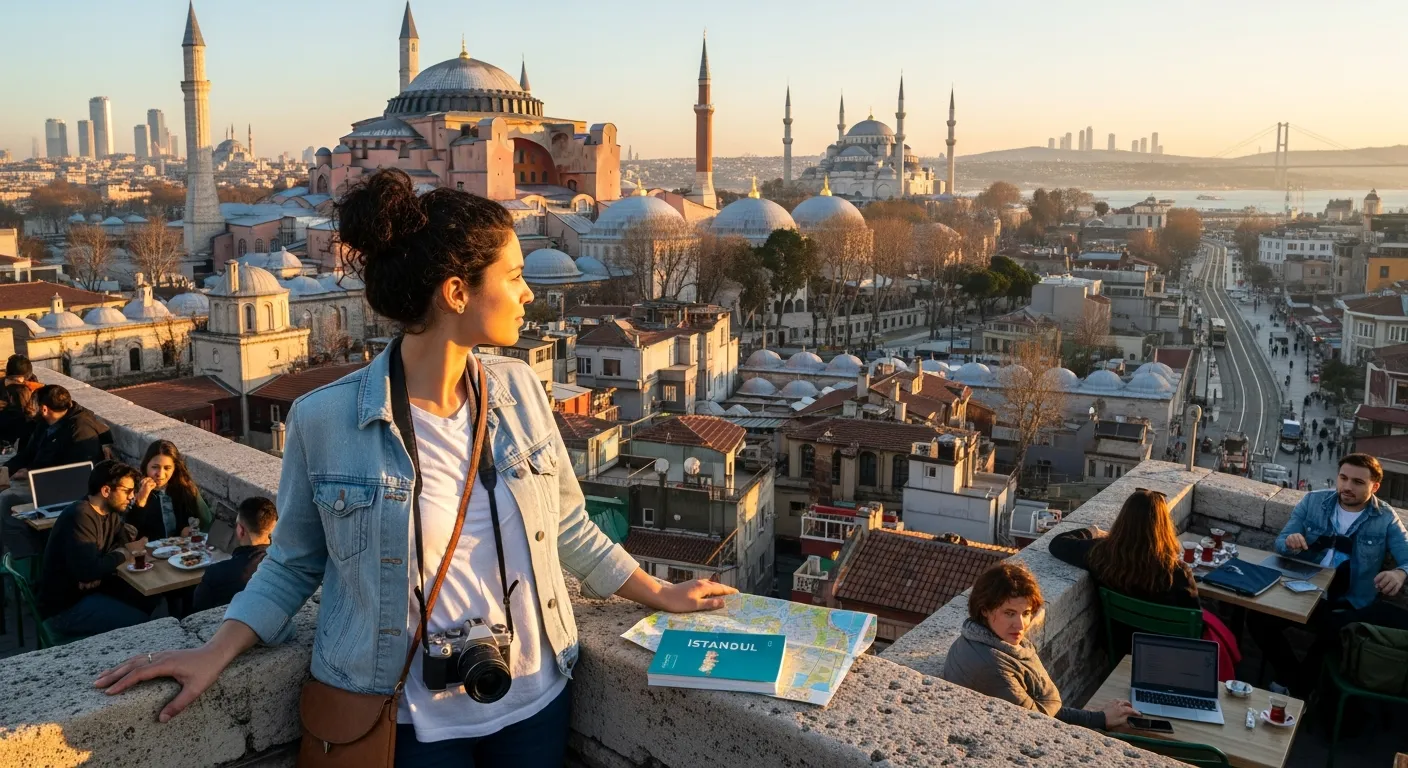
If you only remember one thing about Istanbul’s history, let it be this: you’re walking through three major civilizations in a single day.
From Byzantium to Constantinople to Istanbul
- 660 BC – Byzantium: It starts as a Greek colony called Byzantium, chosen for its strategic spot where Europe and Asia nearly touch.
- 330 AD – Constantinople: Fast-forward to the Roman Emperor Constantine. He falls in love with this place and declares it the new capital of the Roman Empire, calling it Constantinople. It becomes the glittering heart of the Byzantine Empire, Christian, powerful, and insanely rich.
- 537 AD – Hagia Sophia: The Byzantines build Hagia Sophia, a mind-blowing church with a dome that seems to float. At the time, people literally had no idea how it was standing. When you step inside now, you’re stepping into 1,500 years of history.
The Ottoman Turn
- 1453 – The Conquest: Ottoman Sultan Mehmed II conquers the city after a legendary siege. This moment changes everything. Constantinople gradually becomes known as Istanbul, and the city shifts from a Christian imperial center to a powerful Islamic capital.
- Topkapi Palace: The Ottomans build Topkapi Palace, a huge complex of courtyards, tiled rooms, and hidden corners where sultans lived, ruled, and plotted.
- Mosques and Skylines: Iconic mosques like the Blue Mosque (Sultanahmet Mosque) and Süleymaniye Mosque reshape the skyline. Their domes and minarets still define the city silhouette you’ll photograph 100 times.
Modern Istanbul
In the 19th and 20th centuries, the city modernizes. You get:
- Dolmabahçe Palace, with its European-style glam on the Bosphorus.
- Beyoğlu and Istiklal Street, with trams, shops, and a more European vibe.
Today, you’ve got trendy cafés, rooftop bars, and digital nomads with laptops sitting a short tram ride from structures built before the USA was even an idea. Understanding this timeline turns Istanbul from “a place with some pretty old buildings“ into “a living timeline you can walk through.“ That’s Turkey.
Benefits of Exploring Istanbul by Epoch, Not Location
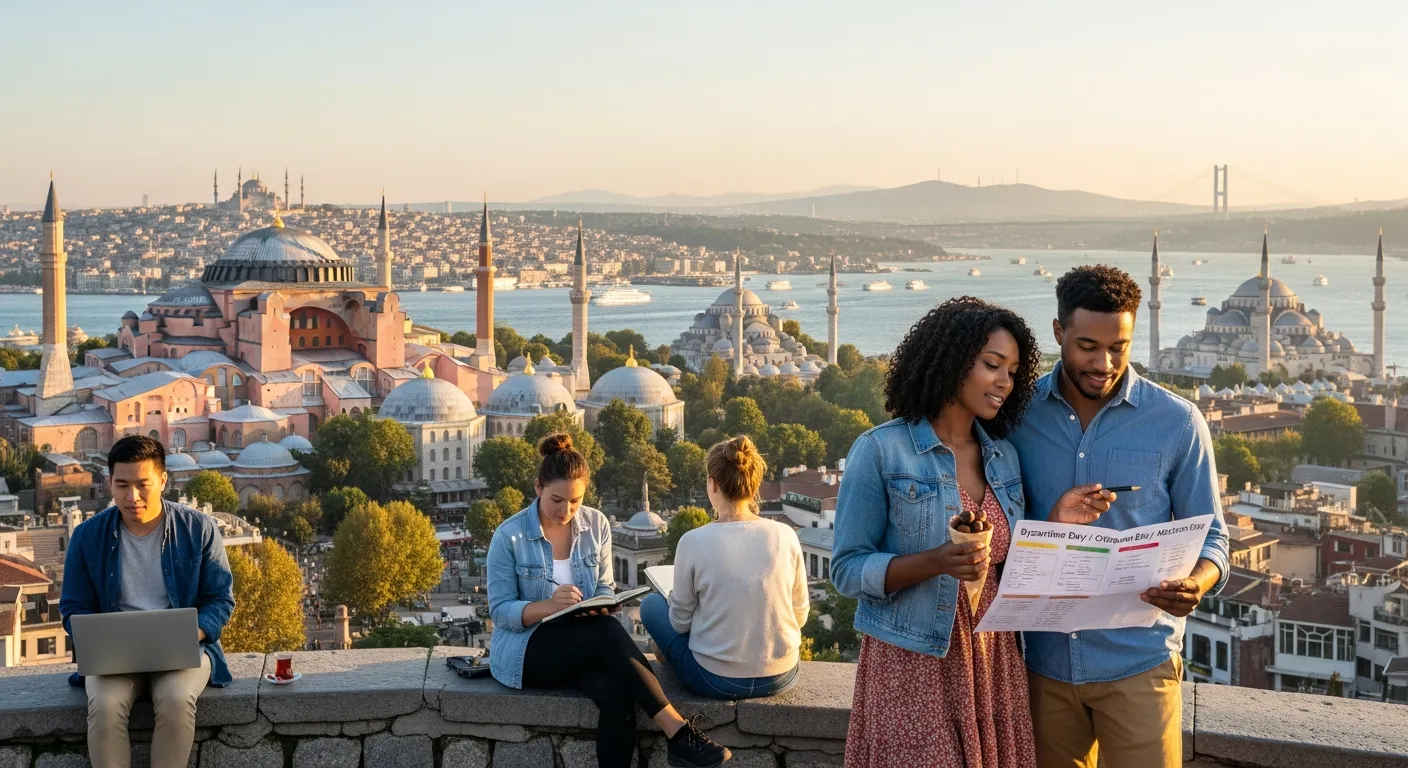
Most people arrive, drop bags, and hit “Top 10 Things to Do in Istanbul.“ They bounce from a Byzantine church to an Ottoman mosque to a hipster coffee shop with no sense of how it all connects.
If you want Istanbul to really click for you, try exploring it by epoch, not just by neighborhood.
Why This Approach Changes Everything
Istanbul’s neighborhoods are a bit of a historical salad. In Sultanahmet, you stand in front of Hagia Sophia (Byzantine) and literally turn your head to see the Blue Mosque (Ottoman). Then you wander 15 minutes and end up in modern cafes.
Organizing your days by era lets you feel the city’s evolution instead of just checking off sights:
Byzantine Day
Focus on how the city looked as Christian Constantinople.
- Start at Hagia Sophia: Look for mosaics of Christ and Mary that survived the centuries.
- Visit the Basilica Cistern: Underground, cool, a little eerie, columns rising out of the water, Medusa heads at the base of two of them.
- Walk the old Theodosian Walls or at least imagine them as you look out from Sultanahmet.
Ottoman Day
Switch to the age of sultans and empires.
- Topkapi Palace: Wander through the courtyards, kitchens, and the Harem (worth the extra ticket). Imagine decisions being made here that affected three continents.
- Blue Mosque and Süleymaniye Mosque: Notice how the architecture evolved from Byzantine domes into a more refined Ottoman style.
- Try an Ottoman-style lunch nearby, slow-cooked stews, rice, stuffed vegetables.
Modern & Contemporary Day
Feel the Istanbul people are living in now.
- Cross to Beyoğlu and stroll Istiklal Street with its nostalgic red tram.
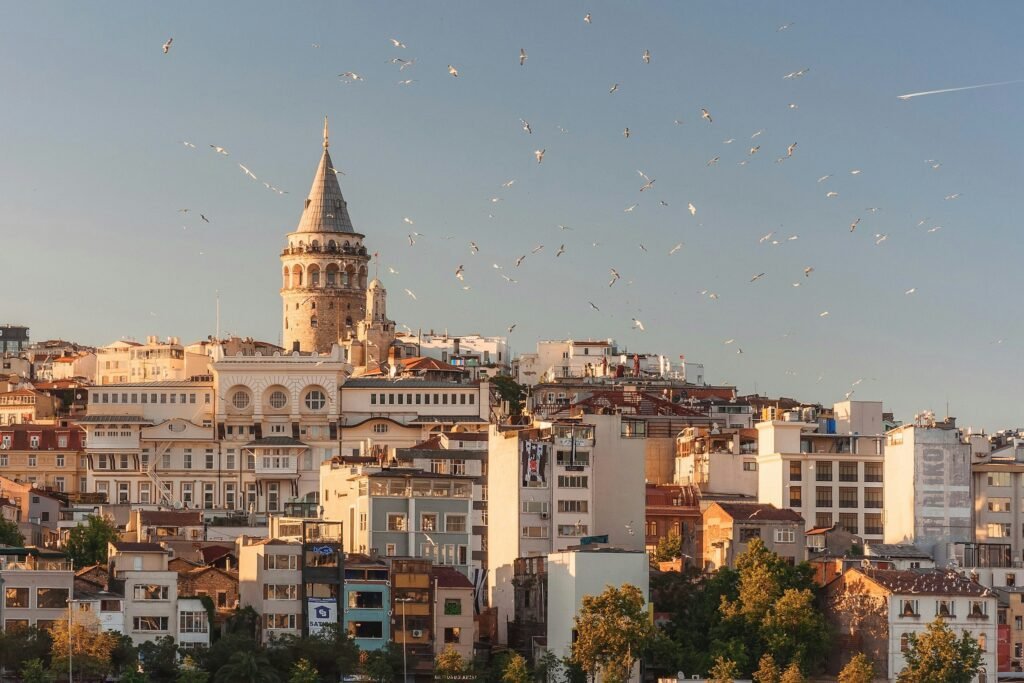
- Climb Galata Tower at golden hour for panoramic views, domes, minarets, modern bridges all in one frame.
- Head to the Asian side (Kadıköy) in the evening: craft coffee, bars, murals, and ultra-local markets.
When you structure your trip like this, you don’t just see Istanbul: you watch it transform. Day by day, era by era.
And in your photos, whether it’s a Black couple sharing roasted chestnuts in Sultanahmet, a white solo traveler journaling in a Kadıköy café, or an Asian-American remote worker on a laptop in Karaköy, you’ll literally see the blend of past and present, East and West, local life and global travelers all in the same frame.
Essential Istanbul Travel Tips
Now for the practical Istanbul travel tips that save you time, money, and minor meltdowns.
Getting Around: Ferries, Trams, and Taxis
1. Get an Istanbulkart immediately.
It’s the rechargeable transit card you’ll use on:
- Trams
- Metro
- Buses
- Ferries
You can buy and top it up at yellow-blue machines in most major stations. If you’re traveling as a pair or small group, you can share one card.
2. Use ferries like you’d use the subway.
Public ferries are one of the best deals in the city and double as a cheap Bosphorus cruise.
- For a short scenic ride, take a ferry between Eminönü (Europe) and Kadıköy or Üsküdar (Asia).
- For a longer cruise, hop on an official Şehir Hatları Bosphorus tour (about 1–2 hours). Evening rides are gorgeous with the city lights.
- Double-check the signs and routes, some boats go up the Bosphorus, some just cross continents. If in doubt, ask a staff member: they’re used to confused tourists.
3. Trams are your friend.
The T1 tram line connects many key spots: Sultanahmet, Eminönü, Karaköy.
- Avoid trams at extreme rush hours if you can, they get packed.
- From the airport, allow about 1–1.5 hours to reach central areas by public transport.
4. Taxis: convenient but be alert.
- Use ride-hailing apps or ask your hotel/host to call a reputable taxi.
- Make sure the meter is on.
- Tipping around 5–10% is normal: round up the fare.
Food & Drink: What to Try (and How Not to Overpay)
Istanbul is heaven if you love to snack your way through a city.
Must-try bites:
- Simit: Circular sesame bread, usually a few TL from street carts. Perfect with tea.
- Balık dürüm or balık ekmek: Fish wrap or sandwich near the water at Karaköy or Eminönü.
- Kebabs: From Adana (spicy) to Urfa (milder), you’ll find endless variations.
- Meze: Small shared plates, eggplant dips, stuffed grape leaves, salads.
- Baklava & Turkish delight: Try a proper pastry shop, not just the tourist boxes.
Rooftop breakfasts are a thing for a reason. Many hotels and guesthouses have terraces with views over the Bosphorus or the old city. Even if your accommodation doesn’t, you can book a breakfast or brunch at a rooftop café and linger.
Turkish coffee is strong, small, and symbolic. After you drink it, someone might offer to read your fortune in the coffee grounds, just lean into it. It’s fun, and a very local moment.
Hammams, Mosques, and Etiquette
1. Visiting a hammam (Turkish bath)
Going to a hammam like Cağaloğlu Hamamı or Çemberlitaş is one of those “you’ll talk about this later“ experiences.
- Expect to pay more in historic hammams than local ones, but the atmosphere is worth it for a first-timer.
- You’ll typically get a scrub, rinse, and sometimes a massage on hot marble.
- Bring or rent sandals: you’ll be given a towel or pestemal.
2. Mosque etiquette
Istanbul’s mosques are active places of worship, not just architecture.
- Dress modestly: Shoulders and knees covered. Women are usually asked to cover hair (mosques often provide scarves and wrap skirts if needed).
- You’ll remove shoes at the entrance, so wear socks if you don’t like going barefoot.
- Avoid visiting during Friday midday prayers and main prayer times if possible: check approximate times online or just follow the crowds.
Money, Costs, and Scams to Avoid
- Currency: Turkish lira (TL). Cards are widely accepted, but always have some cash for small places and street food.
- Bargaining: Expected at the Grand Bazaar and Spice Bazaar. Start lower, stay friendly, and be ready to walk away.
- Tipping in restaurants: Around 5–10%, more in upscale spots. Something like 50–200 TL depending on your bill is common.
Common pitfalls:
- Unmetered taxis: Always insist on the meter: if they refuse, just step out.
- Pushy carpet shop invites: It’s okay to look, but don’t feel obligated to buy.
- Tourist menus without prices: Ask before ordering if something isn’t clearly priced.
Neighborhoods You Shouldn’t Skip
Think of Istanbul as a set of very different moods, each in a different neighborhood.
- Sultanahmet:
The historical core, Hagia Sophia, Blue Mosque, Topkapi Palace, Basilica Cistern. It’s busy and touristy, but you have to see it.
- Beyoğlu / Karaköy:
Trendy cafes, bars, galleries, and that mix of old and new. Karaköy is great for brunch, specialty coffee, and people-watching, remote workers tapping away, groups of friends, travelers of every background.
- Kadıköy (Asian side):
Markets, local restaurants, record shops, murals. It feels more “everyday Istanbul” and less like a stage set. Great at night for bars and meyhane (traditional taverns).
- Balat:
Colorful houses, steep cobbled streets, vintage shops, and small cafes. It’s very Instagrammable, but go slowly, remember people actually live here, and support local spots.
If you have extra time, use the city’s ferries and trams to just wander. Some of your best memories will come from getting off one stop early and walking.
Concluding Statements
Istanbul isn’t a one-and-done city. It’s the kind of place you leave knowing you only scratched the surface, already plotting a return.
If you remember nothing else from these Istanbul travel tips, remember this:
- Let the history guide your days, Byzantine, Ottoman, modern, so the city’s layers actually make sense.
- Ride the ferries, linger in neighborhoods, and don’t be afraid to sit in the same café two days in a row.
- Balance the “must-sees” with moments of just being there, listening to the calls to prayer echo across the Bosphorus, watching kids feed seagulls, sharing tea with strangers.
And if you’ve got an extra day, a ferry trip out to the Princes’ Islands is the perfect reset: no car noise, sea breeze, and a slower pace that stays with you long after you fly home.