
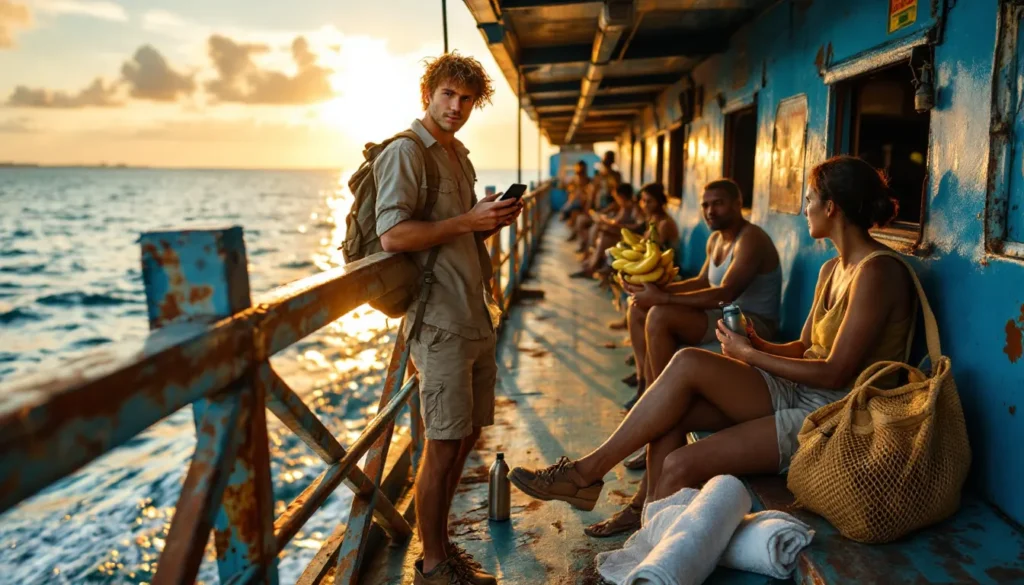
You’re standing on the deck of a rickety ferry crossing from Nicaragua’s Ometepe Island, ash swirling from a distant volcano, backpack at your feet, WhatsApp pings from work muted for once.
In a single day you’ve gone from swimming in a crater lake to bargaining for plantains in a tiny market, and it hits you: this is why a trip through Central America is different. Distances are short, cultures flip every few hours, and you’re constantly shifting between Caribbean, highland, and jungle worlds.
If you’ve been dreaming of taking more than just a one-week vacation, of doing a real overland journey from Mexico’s southern states all the way to Panama, this is your sign. Below you’ll find a grounded, experience-based guide to routes, timing, budgets, highlights, working remotely, and staying safe and respectful, so you can design a Central America trip that actually fits your life, your finances, and your travel style.
Why Central America Is Perfect For A Long Trip

Central America is basically the sweet spot between “easy enough to navigate“ and “wildly diverse.“ In a region smaller than Texas, you get:
- Smoking volcanoes you can hike at sunrise
- Maya ruins hidden in dense jungle
- Caribbean islands with world-class diving
- Pacific surf towns where sunsets feel endless
- Colonial cities with baroque churches and buzzing plazas
And you can cross between completely different landscapes in half a day by bus.
For a longer trip, anything from a month to a few months, this compactness is gold. You don’t waste half your time on long-haul travel days: instead, you can actually slow down. Spend a week in Antigua practicing Spanish, then a week at Lake Atitlán tucked into a lakeside village. Hop to El Salvador for surf and pupusas, slide into Nicaragua for volcano boarding and café workdays, then end in Costa Rica or Panama with jungle mornings and ocean afternoons.
On top of that, there’s a solid backpacker and digital nomad infrastructure: hostels, colectivos, shuttles, homestays, coworking spaces, and enough fellow travelers doing something similar that you never feel completely on your own, unless you want to.
Choosing Your Route: Northbound, Southbound, Or Slow And Flexible

The classic trip through Central America follows a Guatemala-to-Costa Rica arc, sometimes extending into Mexico in the north and Panama in the south. But you’ve got options.
Option 1: Southbound – Guatemala To Panama
This is the most common route if you’re flying into Guatemala City or Mexico’s Yucatán/Chiapas region.
Typical flow:
- Mexico (Chiapas or Quintana Roo, optional) →
- Guatemala →
- El Salvador →
- Honduras →
- Nicaragua →
- Costa Rica →
- Panama
Pros:
- Easy overland connections, especially on shuttle routes.
- Gradual shift from more budget-friendly countries (Guatemala, El Salvador, Honduras, Nicaragua) to pricier ones (Costa Rica, Panama).
- You can end at the beach islands of Bocas del Toro or in Panama City for an easy flight home.
Option 2: Northbound – Panama Or Costa Rica Up To Mexico
Fly into San José or Panama City and work your way north.
Pros:
- You finish in Guatemala and/or southern Mexico, which many people consider the cultural highlight.
- Flexibility to exit via Mexico with more flight options to the U.S.
Option 3: Slow And Flexible – Pick Anchors, Not A Line
If you’re not trying to “collect” countries, choose 3–4 anchors and let the rest unfold. For example:
- Antigua & Lake Atitlán (Guatemala)
- León or Granada (Nicaragua)
- Santa Teresa or Puerto Viejo (Costa Rica)
- Bocas del Toro or Panama City (Panama)
You connect the dots, listening to your energy levels and to other travelers’ recommendations. This works especially well if you’re working remotely and can’t move every three days without burning out.
How Long You Really Need For A Trip Through Central America
Technically, you can blast through Central America in two weeks. Practically, you’ll spend most of that on buses and in transit stations.
A more realistic breakdown:
- 2–3 weeks: Pick 2 countries max. For example, Guatemala + El Salvador, or Nicaragua + Costa Rica. You’ll get a taste, not the full arc.
- 4–6 weeks: Ideal for a northbound or southbound overland trip hitting 3–5 countries without constant motion.
- 2–3 months: This is where slow travel really kicks in. You might rent an apartment in Antigua for a month, then base yourself in Nicaragua or Costa Rica to work remotely.
If you’re building a route, reverse-engineer it from what you absolutely don’t want to miss. For many travelers that’s:
- Antigua + Lake Atitlán (Guatemala)
- At least one set of Maya ruins (Tikal or Copán)
- One Caribbean stop (Belize, Bay Islands, or Bocas del Toro)
- One surf town (El Salvador, Nicaragua, or Costa Rica)
- One cloud forest or jungle experience (Monteverde, Tortuguero, or Boquete)
Then layer in your timing. Dry season (roughly November–April, varying by country) is easier for transport and visibility, but shoulder seasons can mean cheaper prices and fewer crowds. If you’re traveling long-term, you’ll hit a mix anyway, just pack a lightweight rain jacket and quick-dry clothes and you’ll be fine.
Country-By-Country Highlights You Shouldn’t Miss
You won’t see everything on a single trip through Central America, and that’s okay. Think of these as highlight reels to help you choose.
Mexico’s Southern States: Gateway To Central America
If you’re coming overland from the U.S. or flying into Cancun, southern Mexico is a natural starting chapter.
- Quintana Roo & Yucatán: turquoise Caribbean water, cenotes, and ruins like Tulum and Chichén Itzá. More developed and pricier, but great if you want a soft landing.
- Chiapas: feels like a bridge into Central America proper. Base in San Cristóbal de las Casas for cobblestone streets, chilly evenings, and nearby Maya sites.
From here, many travelers cross into Guatemala via shuttle or colectivo.
Guatemala: Volcano Sunrises, Mayan Culture, And Craft Markets
Guatemala is where a lot of people fall in love with the region.
- Antigua: Pastel houses, ruined churches, great cafés and Spanish schools. Popular overnight hike: Acatenango, where you camp in view of the erupting Fuego volcano (doable with a guided tour if you’re moderately fit).
- Lake Atitlán: Ringed by volcanoes and traditional villages. Each village has a personality: San Marcos (yoga and retreats), San Pedro (backpackers and Spanish classes), Santa Cruz and Jaibalito (quieter, more local).
- Tikal (usually via Flores): enormous Maya ruins rising out of the jungle, best at sunrise.
- Chichicastenango Market: one of the most colorful markets in the region, great for textiles and experiencing Indigenous traditions (go on market days, traditionally Thursdays and Sundays).
Belize: Barrier Reef, Islands, And Afro-Caribbean Vibes
Belize is more expensive than its neighbors but offers something unique: English-speaking locals, Caribbean culture, and the Belize Barrier Reef.
- Caye Caulker: laid-back island life, great snorkeling and diving, famously chill motto: “Go slow.”
- San Ignacio: base for jungle adventures, cave tubing, and lesser-known Maya sites.
If your budget is tight, treat Belize as a shorter, more targeted stop.
Honduras: Bay Islands And Offbeat Mainland Stops
Honduras sometimes gets skipped because of its reputation, but certain areas feel surprisingly mellow.
- Utila & Roatán (Bay Islands): affordable PADI dive certifications, warm water, and easygoing expat communities.
- Copán Ruinas: gorgeous Maya ruin site with intricate stone carvings, plus a charming small town.
Stick to well-trodden routes, ask locals and your accommodation hosts about current safety updates, and avoid solo night travel between cities.
El Salvador: Surf Towns, Coffee Fincas, And Small-Town Energy
El Salvador is compact, which makes it great for a shorter slice of your journey.
- El Tunco / El Zonte: Pacific surf towns, black-sand beaches, sunset beers, and cheap pupusas.
- Ruta de las Flores: string of small towns in the highlands, weekend food festivals, and coffee farm tours.
If you’re new to surfing, this is one of the best-value places in the region for lessons and longboard-friendly waves.
Nicaragua: Colonial Cities, Lakes, And Digital Nomad Hubs
Nicaragua often becomes the unexpected favorite.
- León: hot, gritty, political murals, and the famous Cerro Negro volcano boarding (yes, you literally slide down a volcano on a board).
- Granada: beautifully preserved colonial core, colorful streets, and boat trips on Lake Nicaragua’s islets.
- Ometepe Island: two volcanoes rising out of Lake Nicaragua, chill hostels, homestays, and scooter days between waterfalls and swimming holes.
- San Juan del Sur & nearby beaches: party town at the center, quieter surf beaches stretching north and south. Increasingly popular with remote workers.
Prices are generally lower than in Costa Rica, making Nicaragua a great base if you’re mixing work and travel.
Costa Rica: Nature, Adventure, And Eco-Lodges
Costa Rica is pricier, but the biodiversity is unreal.
- La Fortuna / Arenal: hot springs, volcano views, canyoning, and waterfall hikes.
- Monteverde: cloud forests, hanging bridges, birdwatching, cool mountain air.
- Manuel Antonio: national park with monkeys, sloths, and beaches in one compact area.
- Caribbean side (Puerto Viejo, Cahuita): reggae, Afro-Caribbean food, and a very different vibe from the Pacific.
If you want to splurge for a few nights, this is where eco-lodges and boutique stays really shine.
Panama: City Skylines, Jungle, And The Bridge To South America
Panama often bookends a long journey.
- Panama City: skyscrapers, the famous canal, and the atmospheric old quarter, Casco Viejo.
- Boquete: mountain town with coffee farms, hikes, and cooler temps.
- Bocas del Toro: Caribbean islands popular with backpackers and digital nomads, boat taxis, snorkeling, and nightlife.
Panama is also the launch pad if you’re considering continuing into Colombia (usually by sailboat via the San Blas Islands or by flying, overland through the Darién Gap isn’t recommended).
Budget And Costs: What A Central America Trip Really Costs
Your trip through Central America can feel either super affordable or surprisingly pricey depending on where you spend most of your time and how fast you move.
As a rough, backpacker-to-flashpacker guideline (USD, per person, per day):
- Shoestring backpacker: $35–$60
- Comfortable budget / flashpacker: $60–$100
- Mid-range with some splurges: $100–$150+
Country-by-country cost feel:
- More affordable overall: Guatemala, El Salvador, Honduras, Nicaragua
- Mid to high: Costa Rica, Panama, Belize, Mexican Caribbean
What that looks like on the ground:
- Dorm bed in a hostel: $8–$20 (Guatemala/Nicaragua/El Salvador) to $15–$30 (Costa Rica/Panama/Belize)
- Simple private room/guesthouse: $20–$50 (cheaper countries) to $40–$90 (Costa Rica, Belize, Panama)
- Local meals (market comida corrida, street food): $2–$6
- Restaurant mains in touristy areas: $8–$18
- Short bus rides: $1–$5
- Intercity “chicken buses“: usually cheaper than $10
- Tourist shuttles (Antigua–Lake Atitlán, etc.): $15–$40 depending on distance
To keep costs down:
- Travel slower: fewer border crossings and long shuttles = less money burned on transport.
- Eat where locals eat: markets, pupuserías, comedores, “menu del día“ spots.
- Mix in homestays and simple guesthouses instead of always choosing the most Instagrammable hostel.
- Aim to spend more days in lower-cost countries and fewer in the pricier ones, especially if your budget is tight.
Accommodation, Transport, And Food: How To Travel Smart
Where You’ll Sleep
Central America is set up for almost every style of traveler:
- Hostels: everywhere on the main routes. Some are party-central, others are quiet and cozy: read recent reviews carefully.
- Homestays: especially common in Guatemala and Nicaragua, often tied to Spanish schools. Great for immersion.
- Guesthouses / budget hotels: good if you’re a light sleeper or a remote worker who needs quiet.
- Eco-lodges and boutique stays: shine in Costa Rica, Panama, and parts of Belize.
If you need to work, prioritize places that explicitly mention good Wi-Fi and have recent reviews from digital nomads.
Getting Around
You’ll use a mix of:
- Chicken buses (old US school buses): super cheap, culturally fascinating, can be crowded and confusing at first. Great for shorter hops.
- Tourist shuttles: door-to-door vans connecting common backpacker hubs (e.g., Antigua–El Tunco, León–Granada). More expensive, but easier and often safer for long routes.
- Local buses & colectivos: minivans or microbuses, a good budget middle ground.
- Taxis and ride-hailing: available in bigger cities: always confirm price before getting in if there’s no meter.
As a rule, avoid long intercity travel at night, especially when crossing borders.
What You’ll Eat
One of the joys of this journey is watching the food shift as you move:
- Guatemala & Honduras: tortillas, grilled meats, stews, plantains, and strong coffee.
- El Salvador: endless varieties of pupusas (stuffed corn cakes), cheap, filling, and addictive.
- Nicaragua: gallo pinto (rice and beans), fresh fish on the coasts, and simple comedors.
- Costa Rica: casado plates, fresh fruit, and surprisingly great bakeries in some towns.
- Belize & Caribbean coasts: jerk chicken, coconut rice, hearty stews, and a strong Afro-Caribbean influence.
Street food is generally where you’ll get the best value. Follow the local crowds, aim for busy stalls (higher turnover = fresher food), and ease in if your stomach is sensitive.
Working Remotely On The Road: Wi-Fi, Visas, And Rhythm
If you’re blending your trip through Central America with remote work, you’ll want to think less like a backpacker and more like a slow-traveling local.
Best Bases For Digital Nomads
Some tried-and-true spots for longer stays:
- Antigua, Guatemala: solid café scene, coworking spaces, tons of rentals.
- Lake Atitlán (San Pedro, San Marcos, Santa Cruz): slower pace, decent Wi-Fi in many guesthouses, incredible views.
- León & Granada, Nicaragua: lively yet affordable, with growing digital nomad communities.
- Santa Teresa, Nosara, Puerto Viejo (Costa Rica): surf + work lifestyle, though at higher prices.
- Bocas del Toro & Panama City: fun Caribbean base vs. urban base with strong infrastructure.
Wi-Fi And Connectivity
- Speeds vary wildly: big towns and capitals are usually fine for video calls: remote villages can be hit or miss.
- Get a local SIM card in each country (Claro and Tigo are common networks). Data is generally cheap and you’ll be grateful when hostel Wi-Fi cuts out before a meeting.
Visas (For U.S. Travelers)
Visa rules shift, so always double-check, but broadly speaking:
- Most countries in the region offer 90-day stays on arrival for U.S. passport holders.
- Guatemala, El Salvador, Honduras, and Nicaragua share a CA-4 agreement, meaning your 90 days is cumulative across those four countries.
If you’re planning true long-term slow travel, you’ll want to:
- Track your entry dates
- Be prepared to exit and re-enter the region to reset your time if needed
Finding Your Rhythm
The biggest mistake remote workers make? Moving too fast.
A workable pattern many travelers come to love:
- Spend 2–4 weeks in one base.
- Keep workdays stable: same café, same working hours.
- Use weekends or 3–4 day breaks to explore nearby towns, volcanoes, or beaches.
That way, you’re not trying to do a border crossing on a day packed with Zoom calls.
Staying Safe, Respectful, And Sustainable
Central America is not a monolith: safety can change from neighborhood to neighborhood. You’ll hear warnings, some exaggerated, some not. The key is to stay informed and grounded.
Safety Basics
- Ask locals and accommodation staff about current conditions, especially before hiking, visiting border regions, or exploring at night.
- Keep valuables minimal and discreet: cross-body bag, no flashy jewelry, back up your documents.
- Use registered taxis or rideshares where possible, especially late.
- Avoid being out drunk and alone at night, same rule you’d use in any unfamiliar city.
Most travelers who stick to established routes and use common sense have trouble-free trips, but petty theft does happen. Travel insurance is worth it.
Cultural Respect
You’re moving through countries with deep Indigenous histories, Afro-descendant communities, and complex political pasts.
- Ask permission before photographing people, especially in markets or rural villages.
- Learn basic Spanish phrases: it goes a long way even in touristy areas.
- Support local-owned businesses: markets, family-run guesthouses, community tours.
Traveling More Sustainably
- Take buses and shuttles instead of flights when you can: the distances are short.
- Choose eco-conscious operators for wildlife tours, no touching animals, no feeding them for photos.
- Consider staying longer in fewer places rather than sprinting through seven countries in three weeks. Slower travel tends to be lower impact and more meaningful.
Your money and your presence can either put pressure on communities or help sustain them. A bit of intention tilts the balance in the right direction.